𝗧𝗵𝗲 𝗰𝗶𝘁𝘆 𝗶𝘀 𝘁𝗮𝗹𝗹, 𝗽𝗿𝗼𝘂𝗱, 𝗮𝗻𝗱 𝘄𝗮𝘆 𝘁𝗼𝗼 𝗰𝗼𝗻𝗳𝗶𝗱𝗲𝗻𝘁 🏙️😈
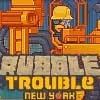
Rubble Trouble New York starts with a vibe that’s almost rude: these buildings are standing there like they’ve never heard the word “gravity.” Your job is to introduce them. Politely? No. Efficiently. This is a physics demolition puzzle where the “puzzle” isn’t figuring out which button opens a door, it’s figuring out how to make a whole structure collapse with the fewest, smartest, most satisfying explosions possible. On Kiz10, it feels like being handed a clipboard and a bag of explosives and being told, “Okay, genius… show us where it hurts.” 💣
And here’s the funny part: the game makes you feel clever and reckless at the same time. You’re not just blowing stuff up randomly. The levels are built around weak points, load-bearing supports, and those sneaky little spots where a single charge can cause a chain reaction that looks like a perfect accident. You’ll place a bomb, click, watch, and for half a second you’ll think, yeah, that’s not enough… then the middle buckles, the top tilts, and suddenly the whole building folds like it got embarrassed. That moment? That’s the hook. It turns demolition into a kind of engineering prank.
𝗪𝗲𝗮𝗸 𝗽𝗼𝗶𝗻𝘁𝘀, 𝗯𝗮𝗱 𝗶𝗱𝗲𝗮𝘀, 𝗮𝗻𝗱 𝘁𝗵𝗮𝘁 𝗼𝗻𝗲 𝗯𝗲𝗮𝗺 𝘆𝗼𝘂 𝗳𝗼𝗿𝗴𝗼𝘁 🧱🧠
Every stage is basically a structure with an attitude. Sometimes it’s tall and narrow, begging you to clip the base. Sometimes it’s wide, stacked, and annoying, like it wants you to waste charges. The real game is reading the anatomy of the building. What’s holding the top up? Where’s the “hinge” that would make it fold inward instead of falling outward and leaving a stubborn piece standing like a monument to your poor planning? 😅
You learn quickly that the obvious spot isn’t always the best spot. If you hit something too high, you might just chip off a chunk and leave the skeleton standing. If you hit something too low without thinking, the building might drop… but not in the direction you wanted, causing debris to land in a way that keeps parts balanced. Yes, balanced rubble is a thing. It’s humiliating. You’ll stare at a floating slab and think: how are you still alive? Why are you still here? Please fall. 😭
So you start playing like a demolition detective. You stop seeing “blocks” and start seeing “support lines.” You notice that one skinny column is doing way too much work. You spot two beams forming a triangle and realize triangles are basically the villains of physics puzzles because they love stability. You start breaking stability on purpose.
𝗧𝗵𝗲 𝗯𝗲𝘀𝘁 𝗲𝘅𝗽𝗹𝗼𝘀𝗶𝗼𝗻𝘀 𝗮𝗿𝗲 𝘁𝗵𝗲 𝗼𝗻𝗲𝘀 𝘆𝗼𝘂 𝗽𝗹𝗮𝗻𝗻𝗲𝗱… 𝗮𝗻𝗱 𝗹𝗶𝗲 𝗮𝗯𝗼𝘂𝘁 😏💥
There are two kinds of wins in Rubble Trouble New York. The first is messy: you blow something up, a chunk falls, the rest wobbles, you throw another charge, and eventually the whole thing becomes a sad pile. It works. It counts. It feels like brute force wearing a clever hat.
The second kind of win is the one that makes you grin. You place a charge in a spot that looks almost too small to matter. You detonate. The building shifts. One floor slips. Another loses its footing. Then the top section slides, collapses into the midsection, and everything cascades downward like the city just sighed and gave up. That’s when you feel like a mastermind. It’s not just destruction, it’s choreography. 🎬🏗️
And because the game is so quick to restart, you get this delicious loop: fail fast, learn faster, try again with a smarter plan. Each attempt is like rewriting the ending of a tiny disaster movie where you control the plot twist.
𝗡𝗲𝘄 𝗬𝗼𝗿𝗸 𝗰𝗵𝗮𝗼𝘀: 𝘄𝗵𝗲𝗻 𝗽𝗵𝘆𝘀𝗶𝗰𝘀 𝗯𝗲𝗰𝗼𝗺𝗲𝘀 𝗰𝗼𝗺𝗲𝗱𝘆 🗽😂
What makes this game feel so alive is how demolition never looks the same twice. Even when you’re doing the “same” strategy, physics has personality. A slab might fall cleanly one run, then catch on a corner the next run and create a weird new support. Debris might bounce, slide, or stack in a way you didn’t predict. It’s not random in a cheap way, it’s reactive in a satisfying way. You start respecting momentum. You start thinking about where rubble will land, not just what will break.
And then there’s that moment every demolition player knows: you think you solved it, the tower is half-collapsed, you’re celebrating early… and one tiny segment is still standing, perfectly upright, like it’s posing for a photo. The game doesn’t even have to insult you. The standing piece does it for free. 😐
So you go back. You adjust. You learn that sometimes the “perfect” collapse isn’t about doing more damage, it’s about making the structure fall inward, not outward. That’s the difference between a clean clear and an awkward leftover.
𝗦𝗺𝗮𝗿𝘁 𝗽𝗹𝗮𝘆 𝗶𝘀 𝗰𝗮𝗹𝗺 𝗽𝗹𝗮𝘆 (𝗲𝘃𝗲𝗻 𝗶𝗳 𝘆𝗼𝘂’𝗿𝗲 𝗯𝗹𝗼𝘄𝗶𝗻𝗴 𝘂𝗽 𝗮 𝗯𝘂𝗶𝗹𝗱𝗶𝗻𝗴) 🧘💣
If you rush, you waste charges. If you spam explosions, you create rubble that props things up in annoying ways. The best approach is almost boring: pause for a second, scan the structure, identify what’s actually holding it, and then commit. One good blast can do more than three bad ones.
A reliable mindset is to hunt for “load-bearing bottlenecks.” Where is the weight concentrated? Which support connects the heavy part to the stable part? If you remove the connection, the heavy part becomes the weapon. It falls and crushes the rest for you. That’s when you stop being the guy with explosives and start being the guy with a plan. 😎
Another trick is recognizing “false targets.” Some pieces look important because they’re big, but they’re not supporting anything meaningful. Taking them out feels dramatic, but it doesn’t cause collapse. Meanwhile, a tiny pillar in the back corner is basically holding the entire city hostage. Always suspect the tiny pillar.
𝗪𝗵𝘆 𝗶𝘁’𝘀 𝗮 𝗽𝗲𝗿𝗳𝗲𝗰𝘁 𝗞𝗶𝘇𝟭𝟬 𝗴𝗮𝗺𝗲: 𝗾𝘂𝗶𝗰𝗸 𝗿𝘂𝗻𝘀, 𝗯𝗶𝗴 𝗽𝗮𝘆𝗼𝗳𝗳 🧨✅
Rubble Trouble New York is the kind of game you load “for a minute” and then realize you’ve been playing because you’re chasing a cleaner collapse. The levels are compact, the feedback is instant, and the satisfaction is loud. It’s a puzzle game, but it doesn’t feel like homework. It feels like solving problems with explosions, which is honestly an unfair advantage in the fun department.
If you love physics puzzle games, demolition challenges, or any setup where one smart move creates a beautiful chain reaction, this one is a classic. New York may be tough, but so are you… especially after your third retry when you finally stop bombing the obvious spot and start bombing the correct spot. 💥🏙️





 Share
Share
 Embed
Embed