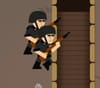
𝗧𝗛𝗘𝗥𝗘’𝗦 𝗡𝗢 𝗙𝗔𝗡𝗖𝗬 𝗜𝗡𝗧𝗥𝗢, 𝗝𝗨𝗦𝗧 𝗕𝗢𝗢𝗧𝗦 𝗢𝗡 𝗧𝗛𝗘 𝗚𝗥𝗢𝗨𝗡𝗗 🪖💢
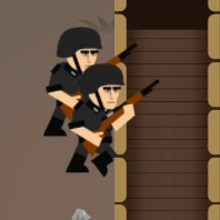
Tiny Rifles drops you into command like someone shoved a radio in your hand and said, “They’re coming. Figure it out.” No dramatic cutscene, no slow tutorial that pats your head. The enemy line advances straight toward you, stubborn and confident, and your only real response is to create troops, place them smart, and keep the pressure high enough that your side doesn’t get swallowed. On Kiz10, it feels like a compact lane war game with a shooter heartbeat: the battlefield is simple to read, but the decisions get spicy fast. You’re not aiming with a crosshair. You’re aiming with strategy, timing, and the quiet art of spending resources before panic turns your brain into mashed potatoes.
At first, it’s almost peaceful. You spawn a unit, it walks forward, it fires. The enemy drops. You think, okay, this is manageable. Then the next wave arrives with more bodies, tougher timing, and that rude little moment where you realize “manageable” was just the warm-up. Tiny Rifles becomes a rhythm game in camouflage: deploy, stabilize, push, recover, repeat. And every time you get that rhythm wrong, the enemy doesn’t politely wait for you to fix it. They just keep walking.
𝗬𝗢𝗨𝗥 𝗔𝗥𝗠𝗬 𝗜𝗦 𝗔 𝗠𝗘𝗡𝗨, 𝗔𝗡𝗗 𝗘𝗩𝗘𝗥𝗬 𝗖𝗛𝗢𝗜𝗖𝗘 𝗛𝗔𝗦 𝗧𝗘𝗘𝗧𝗛 🍔🔫😅
The most satisfying part is building your lineup. Different soldiers carry different firearms, and that changes how your front line behaves. Some units feel like quick answers, cheap bodies that buy time and stop leaks. Others feel like heavy hitters, slower to field but much nastier once they’re firing. The trick is that you can’t live on one type forever. If you spam only cheap troops, you’ll hold for a moment and then get outgunned when the pressure ramps up. If you save forever for big units, you’ll get run over before your “perfect plan” even walks onto the field.
So you start thinking in layers. You need something early to stop the first shove. You need something mid-game to keep your lane from turning into a crowd scene. And you need a way to break the enemy’s momentum when they pile up. The game never says it out loud, but it nudges you into this commander mindset where every soldier is a tool, not a decoration. And once you start treating troops like tools, Tiny Rifles stops feeling random and starts feeling like a real tactical puzzle.
𝗧𝗛𝗘 𝗘𝗡𝗘𝗠𝗬 𝗠𝗔𝗥𝗖𝗛 𝗜𝗦 𝗦𝗧𝗥𝗔𝗜𝗚𝗛𝗧, 𝗕𝗨𝗧 𝗧𝗛𝗘 𝗣𝗔𝗡𝗜𝗖 𝗜𝗡 𝗬𝗢𝗨𝗥 𝗛𝗘𝗔𝗗 𝗜𝗦 𝗡𝗢𝗧 🧠⚠️
Because the enemies move in a straight line, it’s tempting to think this is just “spawn more, win more.” That’s the trap. The straight march actually makes timing more important, not less. When enemies stack, they become harder to chew through, and suddenly you’re not just fighting one wave, you’re fighting a compressed wall of trouble. That’s where your deployment decisions matter. Drop a unit too late and it spawns into chaos. Drop it too early and you waste its value while the lane is still quiet.
There’s also that particular type of stress that comes from watching your line bend. One moment you’re pushing forward, feeling powerful. The next moment the enemy pushes back two steps and your stomach does that tiny drop. Tiny Rifles is great at creating those “hold the line” moments where you’re not sure if you’re about to stabilize or collapse. And when you stabilize, it feels earned, like you solved a messy problem in real time with nothing but timing and stubbornness.
𝗖𝗢𝗠𝗕𝗢𝗦 𝗔𝗥𝗘 𝗡𝗢𝗧 𝗙𝗢𝗥 𝗦𝗛𝗢𝗪, 𝗧𝗛𝗘𝗬’𝗥𝗘 𝗙𝗢𝗥 𝗦𝗨𝗥𝗩𝗜𝗩𝗔𝗟 💥🧨
Tiny Rifles quietly rewards mixed squads. You get stronger results when your lineup covers multiple needs at once: something to soak attention, something to deal consistent damage, and something that hits hard enough to delete threats before they become a pile. The game becomes way more fun when you stop deploying “whatever is available” and start deploying with intent.
And yes, you will still have moments where you do the desperate thing. The “spam” moment. The “I don’t care, just put bodies out there” moment. That’s part of it. But what makes the game addictive is learning when that panic deployment is actually correct. Sometimes you genuinely need a quick wall, a temporary fix, a messy shield that buys you five seconds. Other times, spam just feeds the grinder and you end up broke, watching the lane collapse anyway. You learn to recognize the difference, and that recognition feels like real improvement.
𝗧𝗛𝗘 𝗦𝗢𝗨𝗡𝗗 𝗢𝗙 𝗣𝗥𝗢𝗚𝗥𝗘𝗦𝗦: 𝗧𝗛𝗔𝗧 𝗖𝗟𝗘𝗔𝗡 𝗣𝗨𝗦𝗛 𝗙𝗢𝗥𝗪𝗔𝗥𝗗 🚩🔥
The best feeling in Tiny Rifles is when your line stops wobbling and starts marching. You hit the right timing, your units stack in a good way, the enemy melts before they can gather, and suddenly the battlefield feels like it belongs to you. It’s not loud victory music that sells it. It’s the movement. That forward push is the game’s “yes, you’re doing it right.” You’re not surviving anymore. You’re controlling.
Then the game tries to take it back. A thicker wave. A new mix of enemies. A moment where your damage isn’t enough and the lane begins to slide backward again. That back-and-forth keeps every run from feeling identical. Even with a simple concept, the flow changes because you change. You get more confident, more greedy, more willing to gamble on a stronger unit, and the game answers with new pressure like, sure… let’s see if your confidence is real.
𝗛𝗢𝗪 𝗧𝗢 𝗣𝗟𝗔𝗬 𝗟𝗜𝗞𝗘 𝗔 𝗖𝗢𝗠𝗠𝗔𝗡𝗗𝗘𝗥 (𝗪𝗜𝗧𝗛𝗢𝗨𝗧 𝗔𝗖𝗧𝗜𝗡𝗚 𝗟𝗜𝗞𝗘 𝗢𝗡𝗘) 😅🎖️
If you keep getting overwhelmed, try thinking in “windows.” Early window: stop leaks, keep the lane stable. Mid window: start building pressure so the enemy can’t stack. Late window: protect your momentum and don’t overcommit to one expensive choice when a quick response would save you. That’s the whole game, really, just repeated at higher intensity.
Also, don’t fall in love with one unit. Tiny Rifles punishes stubbornness. The moment you decide “this is my favorite troop, I will use it forever,” the battlefield finds a way to make that decision look silly. Mix it up. Use cheap units to hold space, then bring in stronger firepower when the enemy starts layering. Treat your resources like oxygen. Spend it, but don’t gasp.
And when the lane gets tight, don’t waste time dreaming. Act. Deploy something that changes the shape of the fight immediately. The game respects decisive moves more than perfect theory.
𝗪𝗛𝗬 𝗧𝗜𝗡𝗬 𝗥𝗜𝗙𝗟𝗘𝗦 𝗙𝗜𝗧𝗦 𝗞𝗜𝗭𝟭𝟬 𝗦𝗢 𝗪𝗘𝗟𝗟 🎮🟩
Tiny Rifles is the kind of strategy shooting game that works perfectly on Kiz10 because it’s quick to understand but hard to masters. It gives you instant action, real tactical choices, and that delicious “I can fix this” loop after every loss. You’re not grinding a huge campaign. You’re testing your timing, your unit mix, and your ability to stay calm when the enemy line tries to turn your defense into a joke. If you like war games with lane pressure, troop deployment, and satisfying forward pushes that feel earned, Tiny Rifles is a compact battlefield that keeps calling you back for just one more run. 🪖🔥



 3.5 (18 votes)
 Share
Share
 Embed
Embed