🔥 Locked In, Trigger Ready, Bad Ideas Everywhere
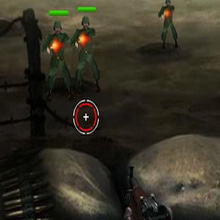
Tray to Escape feels like the kind of game that starts with a simple thought and then immediately throws that thought into a burning room. You are trapped, the pressure is real, and the only sensible response is to grab a weapon and start making noise. A lot of noise. This is not a calm walk toward freedom. This is an action game built around survival, fast reactions, and that lovely little moment when you realize the next wave is already coming and you still forgot to reload. Again.
From the first seconds, the mood is clear. There is no elegant exit waiting for you with polite lighting and dramatic music. There is danger coming from all sides, and your only job is to stay alive long enough to keep the whole situation from collapsing into disaster. It is messy in the best way. You aim, shoot, protect your position, and try to stretch every second into another tiny miracle. That is where Tray to Escape on Kiz10 becomes weirdly addictive. It keeps asking a very direct question: how long can you hold when everything around you wants you gone?
💥 Waves, Panic, and the Art of Not Falling Apart
The heart of the game is survival through repeated enemy attacks. That loop sounds simple, sure, but simplicity is exactly why it works. Enemies arrive, pressure builds, and your brain begins doing that frantic gamer math where every bullet suddenly feels expensive. Do you fire now? Wait half a second? Aim carefully? Spray wildly and pretend confidence counts as strategy? Sometimes it does. Sometimes it really, really does not.
What makes the gameplay satisfying is the rhythm. There is a push and pull to every round. A quiet second. Then movement. Then trouble. Then too much trouble. Then a tiny recovery window where you breathe like someone who just escaped a kitchen explosion. Tray to Escape understands that arcade survival games live and die by pacing, and this one leans into that tension hard. You are never fully comfortable, which is good, because comfort in a trapped shooter usually means something awful is about to happen.
And yes, there is that classic survival joy of improving little by little. You begin clumsy, almost suspiciously mortal, but after a few rounds the game starts speaking your language. You learn where threats build fastest. You learn when panic shooting helps and when it just makes you look dramatic. Most importantly, you start recognizing that survival is less about heroics and more about control. Controlled aim. Controlled movement. Controlled chaos. Well, semi-controlled chaos. Let us not get arrogant 😅
🎯 Shooting That Feels Scrappy Instead of Fancy
Tray to Escape is not trying to turn you into a perfectly polished tactical operator. Its charm comes from how raw the moment-to-moment action feels. This is about quick targeting, pressure management, and surviving with whatever composure you have left. The shooting works best when you stop pretending every shot must be beautiful. Some fights are precise. Others are just a loud negotiation between you and disaster.
That gives the game a very immediate personality. You click, react, reposition, and try to keep control of the arena before enemy numbers pile up into nonsense. It is the kind of shooter where your brain gradually shifts from “I am doing fine” to “I am one mistake away from becoming a cautionary tale.” That shift happens often, and honestly, that is part of the fun.
Because the setting is built around being cornered, every successful hold feels bigger than it should. You are not conquering a vast battlefield. You are surviving inside a problem. A loud one. A rude one. A problem with waves of enemies and no sympathy whatsoever. That close-quarters pressure gives each run a sharp edge that keeps the action tight and restless.
🧠 Small Decisions, Huge Consequences
A game like this lives on tiny choices. Waste ammo and regret it later. Hesitate for one second and suddenly the room gets crowded. Focus too hard on one side and another threat slips in where you least want it. Tray to Escape keeps throwing these little tests at you, and over time they become the real game. Shooting matters, of course, but decision-making is what separates a decent run from a spectacular meltdown.
That is where the replay value starts creeping in. One run teaches you patience. Another teaches you aggression. Another teaches you that overconfidence is a curse invented specifically for action games. You keep restarting with that dangerous thought in your head: this time I know what I am doing. Sometimes you actually do. Sometimes you last ten seconds longer and celebrate like you invented modern warfare. Progress is progress.
On Kiz10, games like this work especially well because they get straight to the point. No giant wall of explanation. No endless waiting around. You jump in, absorb the danger, and figure things out with your hands already on the controls. That immediacy gives Tray to Escape a sharp arcade flavor. It respects your time by throwing you directly into trouble. Beautiful, rude trouble.
⚡ The Kind of Tension That Makes “One More Try” Dangerous
There is something wonderfully unhealthy about games where failure instantly creates motivation. Tray to Escape has that effect. Lose a run, and instead of backing away, you immediately want another shot. Not because the defeat was unfair, but because it felt fixable. You can see the mistake. You can almost feel the better decision floating just outside reach. So naturally, you dive back in. One more try. Then another. Then somehow the room is darker and you have been locked into survival mode for far longer than planned.
That loop is powered by tension, but also by clarity. The objective is always readable. Stay alive. Hold the line. Use your shots well. Do not fall apart when the pressure spikes. That clarity makes every attempt feel clean even when the situation becomes gloriously chaotic. The game does not need a hundred systems piled on top of each other. Its strength is that every second matters.
And let us be honest, there is also a little ego involved. The game challenges you in a very direct way. Can you survive longer? Can you keep your cool? Can you stop reloading at the worst possible moment? That last one may be personal. Still, it creates the kind of rivalry between player and game that makes arcade shooters memorable.
🚪 Escape? Maybe. Survive First.
What makes Tray to Escape stand out is the atmosphere of resistance. Even the title sounds desperate, like a plan shouted mid-crisis. The fantasy here is not about looking invincible. It is about enduring. You are cornered, pressured, and constantly one step from collapse, yet the game keeps handing you the tools to fight back. That alone makes every run feel alive.
If you enjoy survival shooters, wave defense action, or fast arcade games where pressure never really leaves the room, Tray to Escape is the kind of experience that gets its hooks in quickly on Kiz10. It is intense without becoming complicated, frantic without losing focus, and scrappy in a way that gives every victory some personality. You do not just win. You survive with style, luck, stubbornness, and maybe a little screaming.
Some games make you feel powerful. This one makes you feel hunted, resourceful, and weirdly proud of every extra second you earn. And honestly? That is sometimes even better. Freedom can wait. First, survives the next wave.





 Share
Share
 Embed
Embed


