𝗧𝗛𝗘 𝗕𝗔𝗧𝗧𝗟𝗘𝗙𝗜𝗘𝗟𝗗 𝗗𝗢𝗘𝗦𝗡’𝗧 𝗪𝗔𝗜𝗧 ⚔️🌫️
War Story has this funny way of pretending it’s simple. You load it up, you see soldiers, you see a battlefield, and your brain goes, okay, I get it, I’ll just send units and watch them fight. Then the first clash happens and you realize the game isn’t asking you to watch. It’s asking you to command. On Kiz10, War Story is the kind of war strategy game that turns every second into a decision: move now or hold, push here or defend there, commit to a charge or save your troops for the moment that actually matters. And the moment you start issuing smart orders, the whole thing changes from “little browser battle” into “wait, why am I sweating?” 😅🪖
You’re not locked into one army theme either. You get different forces with distinct vibes, from armored Crusaders to rough Barbarians to fierce Zulu fighters. That variety sounds like a cosmetic choice at first, but in practice it changes how you think. Because War Story is less about one perfect unit and more about timing, positioning, and the way you steer chaos while it’s happening. You’re basically grabbing history by the collar and saying, no, today we do it my way.
𝗢𝗥𝗗𝗘𝗥𝗦, 𝗡𝗢𝗧 𝗠𝗔𝗚𝗜𝗖 ✋📣
A lot of games let you win by grinding stats or waiting for bigger numbers. War Story leans into something more satisfying: control. You have the power to order and direct soldiers during the battle, and that’s the real weapon. The battlefield isn’t a tidy chessboard, it’s a living mess. Troops collide, lines bend, gaps appear, and those gaps are either your opportunity or your disaster depending on whether you notice them fast enough.
There’s a specific kind of panic that shows up in good strategy games, the “I can see the problem forming but I have to fix it before it becomes permanent” panic. A flank starts collapsing. A group of units gets pulled too far forward. Your front line stops being a line and turns into a confused knot. War Story thrives in those moments because you can’t just blame the game. The game gives you the steering wheel. If the plan falls apart, it’s because you steered into a wall at full speed. And yes, you will do that at least once, probably while feeling very confident. 😬🚧
𝗖𝗥𝗨𝗦𝗔𝗗𝗘𝗥𝗦, 𝗕𝗔𝗥𝗕𝗔𝗥𝗜𝗔𝗡𝗦, 𝗭𝗨𝗟𝗨… 𝗣𝗜𝗖𝗞 𝗬𝗢𝗨𝗥 𝗧𝗬𝗣𝗘 𝗢𝗙 𝗖𝗛𝗔𝗢𝗦 🛡️🪓🗡️
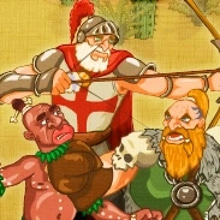
The factions give War Story its personality. Crusaders feel disciplined, like they belong in tight formations with purpose. Barbarians feel like a storm, more aggressive, less polite, the kind of force that doesn’t ask permission. Zulu units bring that sharp, relentless energy, the feeling of speed and pressure that can flip a fight if you strike at the right time.
And here’s the part that sneaks up on you: you start roleplaying your own tactics. Not with words, but with behavior. With Crusaders you might naturally become defensive and structured, building a solid line and punishing anyone who crashes into it. With Barbarians you might start pushing earlier, taking risks, trying to overwhelm before the enemy settles. With Zulu you might feel tempted to probe, pressure, pull back, then strike again. The game doesn’t tell you “this is how you must play.” It just gives you tools and lets your personality leak into the battlefield. That’s why it stays interesting. One match feels like a clean, planned conquest. The next match feels like a brawl you barely controlled, but somehow won anyway. 😅🏆
𝗧𝗛𝗘 𝗠𝗢𝗠𝗘𝗡𝗧 𝗬𝗢𝗨 𝗥𝗘𝗔𝗟𝗜𝗭𝗘 𝗧𝗜𝗠𝗜𝗡𝗚 𝗜𝗦 𝗘𝗩𝗘𝗥𝗬𝗧𝗛𝗜𝗡𝗚 ⏱️👁️
In War Story, timing is not a “nice bonus.” It’s the difference between victory and watching your army get folded. If you push too early, you collide with a prepared defense and lose momentum. If you push too late, you let the enemy build pressure until you’re stuck reacting instead of commanding. That middle zone, the perfect moment, is what you chase.
You’ll start noticing the battlefield like it’s breathing. There are waves of aggression and tiny lulls where both sides reorganize. Those lulls are where smart players win. It’s where you reposition, tighten lines, redirect forces, or set up the next punch. If you treat every second like “go go go,” you end up exhausting your own army and handing free value to the enemy. If you treat every second like “wait forever,” you miss opportunities and let the opponent decide the pace.
The best runs happen when you find rhythm. A controlled push. A quick regroup. A decisive order. And suddenly the battle feels less like a random clash and more like you’re conducting an orchestra where the instruments are yelling and carrying weapons. 🎼⚔️
𝗠𝗔𝗞𝗜𝗡𝗚 𝗛𝗜𝗦𝗧𝗢𝗥𝗬 (𝗢𝗥 𝗔𝗧 𝗟𝗘𝗔𝗦𝗧 𝗧𝗥𝗬𝗜𝗡𝗚 𝗡𝗢𝗧 𝗧𝗢 𝗘𝗠𝗕𝗔𝗥𝗥𝗔𝗦𝗦 𝗬𝗢𝗨𝗥𝗦𝗘𝗟𝗙) 📜🔥
The tagline feeling of War Story is “create your own history of war,” and it fits because every battle becomes a story you can actually remember. Not because of cutscenes or dialogue, but because of those moments where your decisions turn into consequences instantly. The time you saved a collapsing flank by pulling units back at the last second. The time you overcommitted, got punished, and learned to stop doing that. The time you launched what felt like a doomed charge and it somehow worked because the enemy was out of position for one tiny moment. That’s the good stuff.
And it’s not always heroic. Sometimes your “story” is just you staring at the screen thinking, why did I do that, why did I send everyone into the same mess, why am I like this. Then you restart and swear you’ll be smarter. Then you do the exact same thing again, but faster. Progress! 😅🔁
What makes it a strong browser strategy experience on Kiz10 is that it doesn’t demand a long commitment to feel meaningful. You can jump in, fight a battle, feel the tension, and leave with that satisfying “I actually had to think” feeling. Or you can keep playing because the game triggers that competitive brain itch: I can do it cleaner. I can command better. I can win without panic-orders.
𝗧𝗛𝗘 𝗦𝗠𝗔𝗥𝗧 𝗪𝗔𝗬 𝗧𝗢 𝗣𝗟𝗔𝗬 (𝗔𝗡𝗗 𝗧𝗛𝗘 𝗙𝗨𝗡𝗡𝗬 𝗪𝗔𝗬 𝗧𝗢 𝗟𝗢𝗦𝗘) 🧠😈
If you want the battlefield to feel manageable, you have to think in layers. First layer: keep your core stable. Don’t let your main line get stretched into spaghetti. Second layer: look for weak points, moments where the enemy is clustered or distracted, because that’s when redirection works. Third layer: don’t chase every fight. Some fights are bait. Some fights are just noise. The game loves tricking you into focusing on the loudest clash while a quieter threat forms somewhere else.
And the funny way to lose is to fall in love with your own momentum. You get one good push, you see the enemy line crack, and you think, okay, we’re winning, I’ll just keep doing this forever. Then your formation drifts, your units separate, the enemy stabilizes, and suddenly your “winning push” becomes a long walk into defeat. War Story punishes autopilot. It doesn’t hate you, it just refuses to let you sleep at the wheel. 🚗💥
If you enjoy real-time tactics, war games, strategy battles, and that feeling of being the commander instead of the soldier, War Story on Kiz10 is a solid pick. It’s direct, fast to start, and surprisingly intense once you realize your greatest enemy is not the opposing army… it’s your own rushed decision-making. ⚔️🧠🔥



 3.8 (15 votes)
 Share
Share
 Embed
Embed