𝐍𝐨𝐭 𝐚 𝐫𝐨𝐮𝐧𝐝 𝐡𝐞𝐫𝐨, 𝐧𝐨𝐭 𝐚 𝐟𝐥𝐚𝐬𝐡𝐲 𝐡𝐞𝐫𝐨, 𝐣𝐮𝐬𝐭 𝐚 𝐜𝐮𝐛𝐞 𝐧𝐢𝐧𝐣𝐚 🥷⬛
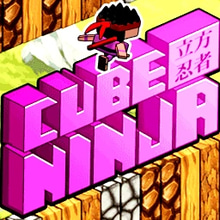
Cube Ninja has one of those names that tells you almost everything and somehow still leaves room for chaos. You are a ninja, yes, but not the usual dramatic shadow warrior with flowing scarves and twenty-seven tragic backstory scenes. No, this time the hero is a cube. A brave, stubborn, suspiciously determined little cube ninja dropped into a world full of jumps, hazards, and the kind of platform trouble that always starts small and then quietly begins ruining your confidence.
On Kiz10, Cube Ninja is presented as a platform adventure where you help a brave ninja overcome all the difficulties that appear in his path. That setup is simple, but honestly, it is exactly what this kind of game needs. No wasted speech. No heavy lore. Just danger, momentum, and the eternal platform-game question: can you keep your rhythm together long enough to make it to the other side?
And rhythm matters here. A lot. Platformers like this live and die on movement feel, and Cube Ninja has the kind of premise that immediately turns every jump into a small decision. A safe landing feels clean. A mistimed move feels personal. A trap you absolutely should have seen becomes a tiny monument to overconfidence. That is the beauty of these games. They are never only about moving forward. They are about proving, one leap at a time, that your fingers and your optimism can work together for more than six seconds.
𝐓𝐡𝐞 𝐰𝐨𝐫𝐥𝐝 𝐥𝐨𝐨𝐤𝐬 𝐬𝐢𝐦𝐩𝐥𝐞 𝐮𝐧𝐭𝐢𝐥 𝐢𝐭 𝐬𝐭𝐚𝐫𝐭𝐬 𝐟𝐢𝐠𝐡𝐭𝐢𝐧𝐠 𝐛𝐚𝐜𝐤 ⚔️🌋
The great trick of Cube Ninja is how innocent the idea sounds at first. Help the ninja. Clear the path. Avoid the bad stuff. Easy enough, right? Then the level begins doing what platform levels always do when they are feeling rude: asking for cleaner timing, smarter movement, and a lot less panic than most humans naturally bring to the table.
That is where the fun starts biting.
A cube hero changes the whole mood in a surprisingly good way. A rounded, agile ninja feels expected. A cube ninja feels odd, funny, and slightly doomed in a way that makes every successful jump more satisfying. You are not gliding around like some legendary superhuman. You are forcing a determined little block warrior through dangerous spaces with all the grace of someone who absolutely refuses to quit. That makes the victories feel more charming and the failures much funnier.
And yes, the failures will happen. Probably right after you tell yourself you have finally understood the level. Platform games hear thoughts like that and treat them as invitations.
𝐉𝐮𝐦𝐩𝐬 𝐚𝐫𝐞 𝐧𝐨𝐭 𝐣𝐮𝐬𝐭 𝐦𝐨𝐯𝐞𝐦𝐞𝐧𝐭, 𝐭𝐡𝐞𝐲 𝐚𝐫𝐞 𝐜𝐨𝐦𝐦𝐢𝐭𝐦𝐞𝐧𝐭 🪜💥
The strongest part of a game like Cube Ninja is that each jump means something. In a loose, forgiving game, jumping is casual. Here, jumping feels like signing a tiny contract with gravity. You leave the platform, and now the game gets to decide whether your judgment was excellent or deeply embarrassing. That simple pressure is what makes platform adventures so replayable.
Cube Ninja seems built around that exact loop. Move forward, read the obstacle, commit to the jump, recover, repeat. It is clean design. It does not need a hundred systems layered on top because the core tension already works. The path is dangerous. The hero is fragile. Your timing is either correct or suddenly very decorative.
There is also a nice old-school energy to it. Kiz10 tags the game under adventure, jump, platform, puzzle, kids, and mobile-friendly play, which makes sense because it feels like the kind of browser platformer that is easy to enter and hard to leave once the retry loop gets into your head. You lose, but the loss looks fixable. You were close. The next run could be cleaner. Then the next. Then the next. Suddenly your entire afternoon belongs to a cube with ninja ambitions.
𝐓𝐫𝐚𝐩𝐬 𝐚𝐫𝐞 𝐫𝐮𝐝𝐞, 𝐛𝐮𝐭 𝐭𝐡𝐞𝐲 𝐝𝐨 𝐤𝐞𝐞𝐩 𝐭𝐡𝐞 𝐠𝐚𝐦𝐞 𝐡𝐨𝐧𝐞𝐬𝐭 😵💫🗡️
A platform game without danger is basically just a walking tour with better posture. Cube Ninja avoids that problem nicely. The whole identity of the game depends on overcoming whatever nasty little obstacles appear in your path, and that phrase from the Kiz10 page does a lot of heavy lifting. “All the difficulties” sounds almost polite, but in platform language it usually means spikes, awkward jumps, dangerous spacing, and a level layout that pretends to be fair right up until your confidence wakes up.
That is good. Very good, actually.
The challenge should feel visible. You want to see the problem, understand the problem, and still mess it up because your timing betrayed you at the worst possible moment. That kind of failure is useful. It teaches. It also annoys, naturally, but in the productive arcade way. One more try always feels reasonable when the game made its rules clear.
And because the hero is such a funny shape for a ninja, the danger gets a little extra personality. A cube trying to survive precise platform traps already feels like a joke the game is telling with total sincerity. It gives the whole adventure a light, playful edge even when the difficulty picks up.
𝐒𝐦𝐚𝐥𝐥 𝐠𝐚𝐦𝐞, 𝐬𝐭𝐫𝐨𝐧𝐠 “𝐨𝐧𝐞 𝐦𝐨𝐫𝐞 𝐫𝐮𝐧” 𝐞𝐧𝐞𝐫𝐠𝐲 🔁🎮
This is where Cube Ninja probably does its best work. Not in giant complexity, but in replay value. Browser platformers thrive when the first attempt feels understandable and the fifth attempt feels personal. You start casually. Then you begin noticing patterns. You stop wasting jumps. You read the space better. You learn where to be patient and where to move with nerve.
That improvement loop is the whole secret.
Games like this do not need huge worlds to matter. They just need momentum, readable challenge, and enough friction to make clean success feel earned. Cube Ninja has exactly that kind of shape. A compact premise. A focused objective. A brave little hero. A road full of trouble. It is enough. More than enough, really.
And because the game is HTML5 and playable across desktop, mobile, and tablet on Kiz10, it suits that quick-start style perfectly. You can load it up fast, start moving right away, and get pulled into the challenge before your brain has time to claim this is just a tiny casual game. Tiny casual games are often the most dangerous ones. They look harmless right before they begin stealing all your retries.
𝐖𝐡𝐲 𝐂𝐮𝐛𝐞 𝐍𝐢𝐧𝐣𝐚 𝐰𝐨𝐫𝐤𝐬 𝐬𝐨 𝐰𝐞𝐥𝐥 𝐨𝐧 𝐊𝐢𝐳𝟏𝟎 🚀🥷
Cube Ninja fits Kiz10 beautifully because it delivers exactly what a good browser platform adventure should deliver: instant readability, simple controls, and enough trap-filled pressure to make every clear section feel satisfying. It does not drown the player in systems. It just gives you a hero, a path, and a series of bad ideas waiting to happen if you get careless.
If you enjoy ninja games, platform adventures, jump challenges, and those slightly chaotic arcade experiences where improvement happens one painful lesson at a time, Cube Ninja is an easy recommendation. It has that classic “I know I can do this better” effect that keeps runs coming. You start by helping a little cube ninja survive. You end by taking every missed jump personally and treating the next level like unfinished business.
That is when a game like this really wins. Not when it explains itself, but when it quietly becomes a challenge you want to beat properly. And Cube Ninja absolutely has that kind of energy. It looks simple. It is not simple. It looks cute. It is also rude. It looks like a quick platform game. Then it catches your timing off by one heartbeat and suddenly you cares a lot more than you planned to.



 4.3 (26 votes)
 Share
Share
 Embed
Embed


