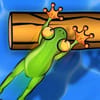
𝗧𝗵𝗲 𝗿𝗼𝗮𝗱 𝗶𝘀 𝗹𝗼𝘂𝗱, 𝘁𝗵𝗲 𝗳𝗿𝗼𝗴 𝗶𝘀 𝘀𝗺𝗮𝗹𝗹 🐸🚗
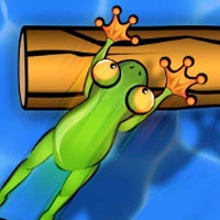
Jumper Frog starts with the simplest idea in the world and then immediately proves why “simple” is never the same as “easy.” You’re a tiny frog with a huge problem: the world is full of moving danger, and you have to cross it anyway. No speech, no hero music, no warm-up lap. Just a lane, a hop, and the cold truth that traffic never apologizes. On Kiz10 it feels like the purest form of arcade pressure, the kind where you can explain the rules in one breath and still get humbled in the next breath because your timing is off by a fraction.
It’s a game about rhythm disguised as a game about hopping. At first you’ll treat it like a reaction test: see a gap, jump into the gap. Then you’ll realize the gaps aren’t stable, your “safe” space is temporary, and every hop changes what your next hop can be. That’s when Jumper Frog becomes addictive. It’s not only about surviving the current lane, it’s about setting up your next move like you’re playing a tiny chess match against cars that never stop coming.
𝗧𝗶𝗻𝘆 𝗺𝗼𝘃𝗲𝗺𝗲𝗻𝘁𝘀, 𝗯𝗶𝗴 𝗰𝗼𝗻𝘀𝗲𝗾𝘂𝗲𝗻𝗰𝗲𝘀 🧠⚡
The best thing about this style of frog jumper game is how honest it is. You don’t lose because you didn’t understand something complicated. You lose because you got greedy. Or because you hesitated. Or because you jumped early when you should have waited one more beat. It’s a clean kind of challenge. Every mistake has a story you can actually remember. “I thought the next car was farther.” “I panicked when I saw two lanes moving at different speeds.” “I tried to rush because I felt safe.” That last one is the big trap. Feeling safe is often when you’re least safe, because you stop scanning properly.
The game also has that classic arcade pacing where you start confident, then the rhythm tightens, then your hands start doing that tiny micro-tremble of “okay, focus.” It’s funny how quickly a cute frog turns you into a serious person with serious eyes. 👀🐸
𝗧𝗵𝗲 𝗴𝗮𝗽 𝗶𝘀 𝗻𝗼𝘁 𝗮 𝗴𝗶𝗳𝘁, 𝗶𝘁’𝘀 𝗮 𝗱𝗲𝗮𝗹 🤝🚦
A lot of players make the same early mistake: they treat every opening like permission to move. In Jumper Frog, openings are offers with conditions. Yes, you can hop forward, but what happens after you land? Are you landing in a spot that keeps your options open, or are you landing in a spot that forces a risky next hop because you’re now stuck between flows? This is the part that sneaks strategy into a pure reflex game. You begin thinking about staging. Sometimes the correct move is not the furthest move, it’s the move that gives you time to read the next lane.
And reading lanes matters because traffic patterns love to fake you out. A lane might look clear until a fast car enters the frame at the worst possible moment. Another lane might be slow but crowded, forcing you to hop in smaller windows. Your brain has to learn the “personality” of each lane quickly. Once you do, the whole game feels smoother, like you’re not reacting to chaos, you’re navigating it. That’s where the good runs come from.
𝗛𝗼𝗽 𝗿𝗵𝘆𝘁𝗺 𝗮𝗻𝗱 𝘁𝗵𝗲 𝗺𝗼𝗺𝗲𝗻𝘁 𝘆𝗼𝘂 𝘀𝘁𝗼𝗽 𝗺𝗮𝘀𝗵𝗶𝗻𝗴 🎵🐾
There’s a specific “click” moment in Jumper Frog, and it’s not when you get lucky. It’s when you stop smashing hops out of panic and start hopping with a beat. The difference is huge. Panic hopping is loud and random, it throws you forward without a plan. Rhythm hopping is controlled, almost calm, like you’re stepping between danger instead of throwing yourself into it. You’ll notice your runs last longer the moment your hops become intentional.
A good way to think of it is this: each hop is a sentence. If you speak too fast, you stumble. If you speak too slow, you freeze. The perfect run is when you speak clearly, one hop at a time, always knowing what your next word is. It sounds dramatic for a frog game, but that’s exactly why it’s fun. It turns something silly into something sharp.
𝗧𝗵𝗲 𝗲𝗺𝗼𝘁𝗶𝗼𝗻𝗮𝗹 𝗹𝗼𝗼𝗽: 𝗰𝗼𝗻𝗳𝗶𝗱𝗲𝗻𝗰𝗲, 𝗴𝗿𝗲𝗲𝗱, 𝗿𝗲𝘀𝘁𝗮𝗿𝘁 😅🔁
You’ll start a run and feel clean. You’ll dodge the first few lanes like you’re a pro. Then you’ll see a big opening and your brain will whisper the most dangerous phrase in arcade games: “I can make it.” Sometimes you can. That’s the problem. The game occasionally rewards greed just enough to train you into trying it again. Then, the next time, the timing is slightly different, you clip a lane by nothing, and it’s over. The restart is instant, and the instant restart is basically the game saying, “Cool. Try again with better discipline.”
And you will. Because the failure doesn’t feel random. It feels like a choice you can fix. That’s why this kind of traffic crossing skill game stays addictive. Every run teaches you something small, even if you don’t notice it happening. Your eyes start scanning ahead instead of staring only at your frog. Your brain starts tracking speeds automatically. Your hands learn to wait when waiting is correct, and to commit fast when committing is safer than hesitation.
𝗪𝗵𝘆 𝗶𝘁 𝗳𝗲𝗲𝗹𝘀 𝗰𝗹𝗲𝗮𝗻 𝗼𝗻 𝗞𝗶𝘇𝟭𝟬 🎮✨
Jumper Frog fits Kiz10 perfectly because it’s immediate. It doesn’t waste your time with long menus or heavy explanation. You jump in, you play, you improve. It’s also the kind of game that works in short bursts but turns into longer sessions by accident. One run becomes three. Three becomes ten. Ten becomes “okay, I’m stopping after I beat that distance.” Then you beat it, and now you want to beat it again, but cleaner, because you know you were a little messy in the middle section. That “cleaner” urge is the whole hook.
It also scratches that classic arcade itch where your skill is the only upgrade. No complicated build, no grinding needed for fun, just you vs timing. If you like quick reaction games, frog hopping games, traffic dodging, and simple challenges that get intense fast, this one lands right in the sweet spot.
𝗦𝗺𝗮𝗹𝗹 𝘁𝗶𝗽𝘀 𝘁𝗵𝗮𝘁 𝗺𝗮𝗸𝗲 𝘆𝗼𝘂 𝗮 𝗯𝗲𝘁𝘁𝗲𝗿 𝗳𝗿𝗼𝗴 🐸🧠
Try to avoid “double decisions.” That’s when you hop into a space and immediately hop again without reading, because you’re rushing. Those chain hops feel fast, but they usually throw you into the wrong timing window. Instead, land, breathe for half a beat, then commit. Also, don’t always aim for maximum distance. Sometimes the best play is a short hop that gives you time to observe the next lane’s speed. And when you see a perfect opening, commit confidently. Hesitation is how you get clipped, not bravery.
Most importantly, treat the game like patterns, not like chaos. Traffic looks random when you’re stressed. It looks predictable when you’re calm. Your goal is to stay calm long enough that the “random” starts making sense. Once that happens, Jumper Frog stops feeling like luck and starts feeling like skill, and that’s when your high scores jump hard. 🏆🐸












 4.2 (7 votes)
 Share
Share
 Embed
Embed