🩺 Hospital Lights, Superhero Problems
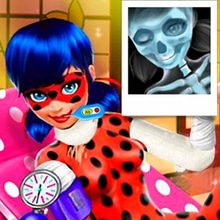
Ladybug Super Recovery starts with the kind of quiet panic that happens right after the action ends. The villain is gone, the city is safe, and now the real damage shows up: bruises, scrapes, a tired hero, and that uncomfortable feeling of “okay… we can’t just walk this off.” On Kiz10, this is a doctor and recovery game built around gentle, step-by-step care. You’re not here to fight. You’re here to fix. And weirdly? That can feel just as intense, because when you’re responsible for helping someone recover, every small move suddenly matters.
The game drops you into a hospital-style setup where tools and tasks appear with a simple goal: treat Ladybug’s injuries and help her get back to normal. It’s a classic “doctor simulation” flow, but with a friendly tone. No harsh visuals, no complicated controls, just a clean sequence of actions that makes you feel like you’re actually doing something helpful. The funny part is how quickly your brain switches roles. One minute you’re thinking like a player, the next you’re thinking like a careful nurse: slow down, do it right, don’t skip steps, don’t make it worse.
🧼 The Recovery Routine That Somehow Feels Satisfying
A good recovery game lives and dies by its little tasks. If the steps feel meaningless, you click through them like a robot and forget the game instantly. But Ladybug Super Recovery leans into the small, satisfying actions: cleaning, treating, applying the right tools at the right time, watching the patient look better with each step. It’s basically the “before and after” feeling, but in playable form.
You’ll find yourself doing tiny decisions that feel bigger than they are. Do you handle the most obvious injury first because it’s right there, or do you follow the game’s prompts and trust the order? Do you rush because you want to see the makeover part, or do you take a second to enjoy the weird calm of fixing everything one piece at a time? It’s a cozy loop: problem, tool, solution, progress. And progress is addictive.
There’s also a gentle sense of responsibility that makes it work. Ladybug isn’t just a random patient. She’s a hero who got hurt doing something brave. So when you clean a wound or apply treatment correctly, it feels like you’re helping her “reset” after a rough mission. You’re not only playing a hospital game, you’re restoring the vibe.
🧠 Not a Hard Game, But It Rewards Care
This isn’t a “fail and restart” kind of challenge. It’s more like a guided experience where the challenge is paying attention. That sounds simple, but attention is the real skill in these games. Click too fast and you miss the satisfying details. Ignore the order and you feel slightly messy, like you made the bed but left one corner untucked. Do it carefully and everything flows, clean and smooth, like you’re actually good at this.
And if you’ve played doctor games before, you know what makes them fun: the tools. A recovery game is basically a toy box with purpose. Each item exists to solve a problem, and the game gives you that small “correct choice” reward every time you use one properly. It’s the same reason people like cleanup games and makeover games. You start with chaos, you end with control.
😅 The Mood Shift From “Emergency” to “Okay, We’re Fine”
One of the best things about Ladybug Super Recovery is how it changes tone as you play. At the start, Ladybug looks like she needs help now. That creates urgency, even if the game is gentle. But as you treat her, the pressure melts away. You can literally see the difference. The injuries reduce, the scene feels calmer, and the whole experience turns from “damage control” into “finishing touches.”
That shift is the secret sauce. It makes the game feel like a complete mini-story: hero gets hurt, you help her recover, and by the end she’s ready to stand up again with confidence. It’s simple, but it works, especially for players who want something relaxing that still feels like progress.
✨ The Makeover Payoff (Because Of Course There’s a Payoff)
Let’s be honest: part of the reason recovery games are popular is the transformation. The “healed” stage is nice, but the glow-up stage is the victory lap. Ladybug Super Recovery usually leads into a makeover or dress up moment where you help her look her best after the treatment. And that’s not just decoration. It’s the emotional finish. After you’ve done the careful work, you get to celebrate it.
This is where the game becomes a fashion and makeover game for a moment. Picking a look, adjusting details, and giving Ladybug that final “I’m back” energy is satisfying because you earned it. The makeover doesn’t replace the recovery part, it completes it. It’s the difference between “she’s okay” and “she’s ready to return to hero life.”
And yes, it’s also where your taste kicks in. You’ll pick styles that match the mood you want: confident, cute, bold, chill. The game lets you leave your fingerprint on the ending. That makes it feel more personal than a simple click-through experience.
🎮 Why It Works So Well as a Kiz10 Browser Game
On Kiz10, Ladybug Super Recovery fits perfectly because it’s instant, readable, and friendly. You don’t need a long tutorial. You don’t need precise timing. You just need to follow the steps, enjoy the transformation, and relax into the process. It’s the kind of game you can play quickly, but it still feels complete, like you finished a small story in one sitting.
It’s also a great pick if you like doctor games that aren’t stressful. Some surgery games try to be intense, but recovery games are more about care than pressure. This one stays approachable, with simple controls and clear tasks, so it’s easy for anyone to jump in and feel successful.
And that’s the core appeal: it’s a hospital recovery game with a gentle vibe, a superhero theme, and a makeover reward at the end. Clean, satisfying, replayable. You’ll finish once and think, okay, that was nice. Then you’ll click again because the “fix it” loop is hard to resist, and honestly, watching everything go from messy to perfect is its own kind of comfort.





 Share
Share
 Embed
Embed