👀 𝗧𝘄𝗼 𝗽𝗶𝗰𝘁𝘂𝗿𝗲𝘀, 𝗼𝗻𝗲 𝗹𝗶𝗲, 𝗮𝗻𝗱 𝘆𝗼𝘂𝗿 𝗯𝗿𝗮𝗶𝗻 𝘁𝗿𝘆𝗶𝗻𝗴 𝘁𝗼 𝗰𝗮𝘁𝗰𝗵 𝗶𝘁
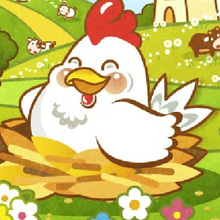
Looking for Differences is one of those puzzle games that seems harmless for about three seconds. You see two bright farm images, everything looks peaceful enough, maybe even cheerful, and your first thought is probably something confident like, yes, easy, I see exactly what this game is doing. Then the second image starts whispering its tiny little lies. A fence post is wrong. A chicken is missing. A cloud changed shape for no reason at all. Suddenly your eyes are scanning like detectives under pressure, and the calm farm atmosphere turns into a very personal war between you and microscopic betrayal.
That is the whole charm of a good spot the difference game. It takes something simple, almost innocent, and turns it into a challenge that quietly eats your full attention. Looking for Differences on Kiz10 seems built around exactly that trick. The official page describes it as a game where you search for all the differences in pictures of a colorful farm and need to stay attentive, which is such a gentle sentence for a genre that can absolutely make people squint at the screen like they are solving an ancient conspiracy.
And honestly, that contrast works beautifully. The setting feels soft and friendly, but the task itself is sneaky. Your brain keeps telling you the answer must be obvious because the art is cute and the premise is clear. Then one tiny missing detail hides in plain sight for thirty seconds and suddenly the whole farm feels like it is mocking you.
🌾 𝗧𝗵𝗲 𝗳𝗮𝗿𝗺 𝗹𝗼𝗼𝗸𝘀 𝗶𝗻𝗻𝗼𝗰𝗲𝗻𝘁, 𝗯𝘂𝘁 𝗶𝘁 𝗶𝘀 𝗻𝗼𝘁 𝗶𝗻𝗻𝗼𝗰𝗲𝗻𝘁
A colorful farm is a smart backdrop for this kind of visual puzzle. It gives the game warmth, variety, and enough objects to hide differences in clever ways. Barns, animals, fields, trees, tools, clouds, fences, little bits of scenery everywhere... it is the perfect environment for visual trickery. Nothing feels too empty. Nothing feels too chaotic either. It sits right in that sweet spot where the scene is busy enough to fool you but readable enough to keep you trying.
That matters more than people think. A spot the difference puzzle game lives or dies by its images. If the pictures are boring, the whole experience falls flat. If they are overloaded with nonsense, the player gets tired instead of engaged. But a farm setting has natural variety built into it. It can be cozy, bright, and full of visual landmarks, which makes every mismatch more satisfying to find.
And yes, the emotional journey is always ridiculous in the best way. At first you feel clever. Then slightly annoyed. Then weirdly obsessed. Then triumphant because you finally found the one missing leaf that had no business being that important. Puzzle games do this all the time. They turn small victories into dramatic emotional events. Looking for Differences seems perfect for that kind of reaction because the challenge comes from focus, not speed or combat. It is just you, your eyes, and the farm refusing to behave normally.
🧠 𝗔𝘁𝘁𝗲𝗻𝘁𝗶𝗼𝗻 𝗶𝘀 𝘁𝗵𝗲 𝗿𝗲𝗮𝗹 𝘀𝘂𝗽𝗲𝗿𝗽𝗼𝘄𝗲𝗿 𝗵𝗲𝗿𝗲
The Kiz10 page says you have to be attentive, and that is really the whole game distilled into one perfect little warning. This is not a button-mashing puzzle. It is not about luck. It is not even about complicated rules. It is about observation. Real observation. The kind that asks you to slow down for half a second and actually look.
That is why games like this can feel surprisingly intense. Not because they are loud, but because they make you engage in a very direct way. Your eyes do the work. Your brain compares shapes, colors, shadows, positions, and weird tiny visual details that would normally never matter in daily life. Suddenly you are noticing whether a bucket handle is bent in the same direction in both images. That is where you are now. This is your life for the next several minutes.
And somehow, it is fun. Very fun.
Part of that comes from how immediate the feedback is. When you find a real difference, your brain gets that lovely little click of success. There it is. I knew something was off. I am a genius. Then, two seconds later, you fail to notice a giant missing object and the game humbles you with perfect timing. It is a beautiful balance. Enough success to keep you going, enough frustration to make the success taste better.
🐔 𝗦𝗺𝗮𝗹𝗹 𝗺𝗶𝘀𝘁𝗮𝗸𝗲𝘀, 𝗯𝗶𝗴 𝗲𝗺𝗼𝘁𝗶𝗼𝗻𝘀
One of the funniest things about spot the difference games is how they create drama out of absolutely tiny things. A missing carrot becomes urgent. A shifted flower becomes suspicious. A different window shape becomes the central mystery of your afternoon. Looking for Differences probably thrives on exactly that kind of low-stakes, high-focus tension.
That is why the genre stays appealing. It does not need explosions or giant twists. It only needs one picture to disagree with another in just the right way.
And because the farm setting is so visually approachable, the game likely works for a wide range of players. Kids can understand it immediately. Casual players can jump in without reading anything complicated. Puzzle fans can enjoy the sharp observation challenge. Even people who claim they are “just testing it for a minute” can get trapped by the classic cycle of one more image, one more hidden detail, one more smug little moment of success.
There is also a relaxed rhythm underneath all the focus. Even when you are concentrating hard, the game still feels gentle. The colors are inviting. The concept is clear. The pressure, if present, comes from the puzzle itself rather than from chaos. That makes it a nice kind of brain exercise. Less stressful than a survival game, more active than passively watching something, and satisfying in a clean, immediate way.
🌻 𝗪𝗵𝘆 𝘀𝗶𝗺𝗽𝗹𝗲 𝗽𝘂𝘇𝘇𝗹𝗲𝘀 𝗹𝗶𝗸𝗲 𝘁𝗵𝗶𝘀 𝗮𝗿𝗲 𝘀𝘁𝗶𝗹𝗹 𝘀𝗼 𝗲𝗮𝘀𝘆 𝘁𝗼 𝗹𝗼𝘃𝗲
Some puzzle games want to impress you with complexity. Looking for Differences seems to do something smarter. It keeps the idea simple and lets the player do the interesting part. That is often more effective. You do not need a heavy tutorial. You do not need special mechanics stacked on top of each other. You just need well-made pictures and enough visual trickery to keep the eye moving.
That simplicity is exactly why the game feels timeless. Spot the difference puzzles have been around forever in one form or another, and they still work because they tap into something deeply human: the urge to notice what is wrong. Two images should match. If they do not, your brain wants closure. It wants order restored. It wants answers.
Looking for Differences gives you that in a bright, farm-themed package that is easy to read and easy to start. And once you start, that little detective rhythm takes over. Scan left. Scan right. Compare corners. Check the obvious things first. Miss something embarrassing. Start over with more dignity this time. Probably.
✨ 𝗪𝗵𝗼 𝘄𝗶𝗹𝗹 𝗲𝗻𝗷𝗼𝘆 𝗟𝗼𝗼𝗸𝗶𝗻𝗴 𝗳𝗼𝗿 𝗗𝗶𝗳𝗳𝗲𝗿𝗲𝗻𝗰𝗲𝘀 𝗼𝗻 𝗞𝗶𝘇𝟭𝟬
If you enjoy observation games, spot the difference puzzles, hidden detail challenges, and casual browser games that wake up your attention span without drowning you in rules, this one makes immediate sense. The official Kiz10 description keeps it clean: find all the differences in the colorful farm pictures and stay attentive. That is the promise, and honestly, it is a good one.
This is the kind of game that works in short sessions but can also quietly keep you around longer than expected. It is easy to begin, oddly satisfying to master, and full of those tiny visual victories that make puzzle games so replayable. On Kiz10, Looking for Differences feels like a classic concentration game dressed in cheerful farm colors, and that combination gives it a very likable identity.
In the end, the appeal is not flashy. It is sharper than that. Two pictures. Small lies. Careful eyes. A cozy setting hiding a mischievous challenge. That is all it really needs. Looking for Differences turns attention itself into the gameplay, and when a puzzle game can do that without feeling dry or repetitive, it earns its place. Especially when it can make a missing chicken feel like a major personal achievement. 🐓





 Share
Share
 Embed
Embed