𝗧𝗛𝗘 𝗡𝗜𝗡𝗝𝗔 𝗟𝗜𝗙𝗘 𝗜𝗦 𝗡𝗢𝗧 𝗤𝗨𝗜𝗘𝗧 𝗛𝗘𝗥𝗘 🥷
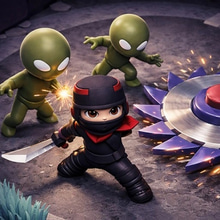
Ninja Survivor throws you into the kind of action game that never really lets your brain sit down. You are a fast, fragile, highly upgradeable ninja moving through dangerous 3D stages full of traps, enemies, sudden threats, and the kind of ugly surprises that only get worse when you think you are finally in control. It sounds like a simple survival adventure at first, but the moment the traps start chaining together and the enemies begin closing space at the same time, the whole game becomes a very sharp test of movement, focus, and discipline.
That is exactly why it works on Kiz10. It blends fast ninja action with level-based survival pressure in a way that stays readable but never lazy. You are not wandering through empty stages waiting for something to happen. The danger is constant. Traps punish hesitation, zombies punish bad spacing, and bosses punish anyone who thinks basic speed alone is enough. The game wants reflexes, yes, but it also wants control. A frantic player usually dies quickly. A calm one lasts longer.
And that balance is what makes Ninja Survivor more satisfying than a generic run-and-slash game. It feels like every level is asking whether you can stay sharp when the pressure starts stacking from several directions at once.
𝗧𝗥𝗔𝗣𝗦 𝗔𝗥𝗘 𝗡𝗢𝗧 𝗝𝗨𝗦𝗧 𝗢𝗕𝗦𝗧𝗔𝗖𝗟𝗘𝗦. 𝗧𝗛𝗘𝗬 𝗔𝗥𝗘 𝗧𝗘𝗦𝗧𝗦 𝗢𝗙 𝗖𝗢𝗠𝗣𝗢𝗦𝗨𝗥𝗘 ⚠️
A lot of action games use traps as simple decoration between fights. Ninja Survivor sounds much smarter than that. Here, traps are part of the main challenge. Deadly mechanisms force you to move with intention, not just enthusiasm. One wrong angle, one rushed dodge, one lazy line through the room, and suddenly the level reminds you that the environment is as hostile as the enemies themselves.
This is a big strength because it makes the stages feel alive. The danger does not only stand in front of you waiting to be hit. It exists all around you. That means movement matters as much as offense. A ninja game should reward clean positioning, quick reads, and sharp reactions, and the trap design helps deliver exactly that.
It also keeps the pacing more varied. If every challenge were just another enemy in a slightly different space, the game would flatten out. Traps create rhythm breaks. They force you to shift from attacking to reading, from aggression to restraint, then back again. That rhythm is where the game gets a lot of its tension.
𝗧𝗛𝗘 𝗘𝗡𝗘𝗠𝗜𝗘𝗦 𝗣𝗨𝗦𝗛, 𝗕𝗨𝗧 𝗧𝗛𝗘 𝗭𝗢𝗠𝗕𝗜𝗘𝗦 𝗠𝗔𝗞𝗘 𝗜𝗧 𝗠𝗘𝗔𝗡𝗘𝗥 🧟
The zombie presence gives Ninja Survivor a nastier edge. Zombies are perfect enemies for a survival-action game because they create pressure through persistence. They do not need elegance. They just need to keep coming, keep closing, and keep turning bad positioning into a bigger problem. In a game already filled with mechanical hazards, that kind of living pressure makes every encounter more complicated.
This is where the ninja fantasy becomes more interesting. You are not simply an unstoppable warrior cutting through weak targets for style points. You are surviving through danger density. Traps are forcing movement, zombies are limiting space, and bosses are waiting to punish poor habits. The result is a game where speed only matters if it is controlled. Reckless movement might look dramatic for a second, but it usually creates a worse situation immediately afterward.
That is good design. It means the player has to think in motion. Not slowly, but clearly. Every kill matters because it buys a little breathing room. Every mistake matters because the game has enough systems to make that mistake expensive.
𝗕𝗢𝗦𝗦 𝗙𝗜𝗚𝗛𝗧𝗦 𝗔𝗥𝗘 𝗪𝗛𝗘𝗥𝗘 𝗧𝗛𝗘 𝗚𝗔𝗠𝗘 𝗔𝗦𝗞𝗦 𝗜𝗙 𝗬𝗢𝗨 𝗔𝗖𝗧𝗨𝗔𝗟𝗟𝗬 𝗟𝗘𝗔𝗥𝗡𝗘𝗗 𝗔𝗡𝗬𝗧𝗛𝗜𝗡𝗚 👹
Regular levels teach rhythm. Boss fights test whether that rhythm actually stayed in your hands when things got harder. This is usually where action games either collapse into chaos or become much more memorable, and Ninja Survivor sounds built for the second option. A powerful boss in a game like this should not just be a larger enemy with more health. It should be a timing exam. A movement check. A punishment for lazy reactions and sloppy positioning.
That is exactly why bosses can give the game so much shape. They turn progression into something visible. You are not just surviving many small encounters. You are preparing for walls that demand cleaner execution. Those fights are often where upgrades become meaningful too, because they let the player feel the difference between a weak build and a developed one.
And emotionally, bosses help the whole adventure feel bigger. They are milestones. They tell the player that getting stronger matters and that the game is willing to push back harder the farther you get.
𝗨𝗣𝗚𝗥𝗔𝗗𝗘𝗦 𝗠𝗔𝗞𝗘 𝗧𝗛𝗘 𝗦𝗨𝗥𝗩𝗜𝗩𝗔𝗟 𝗟𝗢𝗢𝗣 𝗠𝗢𝗥𝗘 𝗔𝗗𝗗𝗜𝗖𝗧𝗜𝗩𝗘 ⚔️
Ninja Survivor clearly understands that high-pressure action games become much harder to leave once the player can feel themselves getting stronger. Upgrades, new weapons, and skins are not just decoration here. They create momentum. You clear a tough level, earn progress, improve the ninja, and head into the next challenge knowing that your survival is no longer based on raw reflexes alone. You are building a better version of your fighter.
This matters because it gives every victory a future. A good run is not only satisfying in the moment. It helps the next level feel more possible. Better weapons can change how fights flow. Stronger stats can make risky sections less punishing. New skins add some personality to the climb and make the repeated attempts feel a little fresher.
It also softens failure in the right way. A rough defeat still hurts, but it does not feel empty if you are moving toward a stronger setup. That is how action-survival games keep players locked in. The next attempt always feels a little more promising than the last.
𝗧𝗛𝗘 𝗕𝗘𝗦𝗧 𝗡𝗜𝗡𝗝𝗔 𝗚𝗔𝗠𝗘𝗦 𝗔𝗥𝗘 𝗔𝗕𝗢𝗨𝗧 𝗙𝗟𝗢𝗪, 𝗡𝗢𝗧 𝗝𝗨𝗦𝗧 𝗦𝗣𝗘𝗘𝗗 🌪️
What gives Ninja Survivor real appeal is that it sounds like a flow game disguised as a survival brawler. Yes, you need reflexes. Yes, you need speed. But what really matters is whether you can keep your movement connected. Trap avoided, enemy cleared, space reclaimed, next threat read correctly, then forward again. When a game like this clicks, it feels like survival through rhythm instead of panic through luck.
That is why it can become so replayable. The player keeps chasing cleaner runs. Better spacing. Better route choices. Fewer ugly mistakes. A smoother fight against the same level that once felt overwhelming. Those improvements are some of the best rewards action games can give because they feel personal. Not just “my gear is stronger,” but “I am stronger at reading this.”
And the colorful 3D environments help too. If the levels look distinct enough, then progression feels more adventurous instead of repetitive. The player is not only surviving harder encounters. They are moving through a world that keeps trying new ways to test them.
𝗦𝗞𝗜𝗡𝗦 𝗔𝗥𝗘 𝗦𝗜𝗟𝗟𝗬 𝗨𝗡𝗧𝗜𝗟 𝗬𝗢𝗨 𝗥𝗘𝗔𝗟𝗜𝗭𝗘 𝗧𝗛𝗘𝗬 𝗠𝗔𝗞𝗘 𝗥𝗘𝗧𝗥𝗜𝗘𝗦 𝗠𝗢𝗥𝗘 𝗙𝗨𝗡 🎭
Cosmetics matter a lot more than people admit in games like this. When the core loop depends on repeating difficult stages, unlockable skins help keep things lively. They do not change the difficulty, but they give players another reward track alongside the weapon and power progression. That is useful. It means a difficult session can still leave you with something visible, something personal, something that makes the next run feel a little more yours.
And in a ninja game, style always helps. A skilled fighter should look like one.
𝗪𝗛𝗬 𝗡𝗜𝗡𝗝𝗔 𝗦𝗨𝗥𝗩𝗜𝗩𝗢𝗥 𝗙𝗜𝗧𝗦 𝗞𝗜𝗭𝟭𝟬 𝗦𝗢 𝗪𝗘𝗟𝗟 🏆
On kiz10.com, Ninja Survivor is a strong fit for players who enjoy ninja action, trap-heavy adventure games, zombie survival, boss encounters, and progression systems that reward both skill and persistence. Kiz10 already features live ninja titles such as Ninja War, Ninja Run, Stickman Ninja Dash, Ninja Ben vs Zombies, and Ninja Slash, so this game fits neatly into a category that clearly performs well for fast action and survival-focused play.
If you like games where movement matters as much as combat, where one level can contain traps, enemies, and a boss-sized reality check, Ninja Survivor has a lot to offer. It feels quick, sharp, and built around the kind of challenge that keeps players saying they will stop after the next level. They usually do not.
Ninja Survivor is not about being flashy for a moment. It is about staying alive long enough to make the flashiness count.

















 2 (155 votes)
 Share
Share
 Embed
Embed