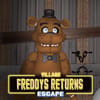
𝗦𝗢𝗠𝗘 𝗣𝗟𝗔𝗖𝗘𝗦 𝗔𝗥𝗘 𝗕𝗘𝗧𝗧𝗘𝗥 𝗟𝗘𝗙𝗧 𝗕𝗨𝗥𝗜𝗘𝗗 𝗜𝗡 𝗦𝗡𝗢𝗪 ❄️😨
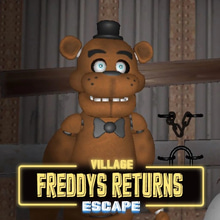
Freddys Return Village Escape throws you into the kind of place that already feels wrong before anything actually starts chasing you. A forgotten city. New Year’s Eve. Thick snow slowing every step. Silence where there should be life. Then the real problem arrives: Freddy is here, and he did not come alone. His snowman minions turn the whole village into a frozen survival trap where every street corner, dark window, and empty alley feels like it is waiting for you to make one bad move.
That is exactly why the game works so well on Kiz10.
This is a 3D horror survival experience built around exploration, escape, and constant pressure. The setting does a lot of the heavy lifting at first. Snow in horror games is strangely effective because it makes everything feel slower, colder, and more isolated. You are not sprinting through some bright action map with easy sightlines and clean escape routes. You are moving through a frozen town where the weather itself feels like part of the danger. That one choice gives the whole game a stronger mood immediately.
And once Freddy starts hunting, the atmosphere stops being just creepy and becomes personal.
𝗧𝗛𝗘 𝗩𝗜𝗟𝗟𝗔𝗚𝗘 𝗜𝗦 𝗔 𝗠𝗔𝗭𝗘 𝗢𝗙 𝗕𝗔𝗗 𝗗𝗘𝗖𝗜𝗦𝗜𝗢𝗡𝗦 🏚️👣
One of the most enjoyable things about Freddys Return Village Escape is how much the village itself matters. This is not a game where the environment is just filler between jump scares. The whole map is part of the challenge. You need to explore it, learn it, and survive inside it long enough to find your way out or last as long as possible depending on the mode you are playing. That gives the game a stronger sense of place than a simple linear horror chase.
A forgotten city covered in snow feels naturally disorienting. Roads blur together. Buildings feel empty in the wrong way. Visibility and movement both carry a sense of drag. That makes exploration much more tense because you are never just “looking around.” You are exposing yourself. Every extra second spent checking a route or entering another section of the map is another second something terrible can get closer.
That is the sort of pressure horror games need. The environment should never feel neutral, and here it definitely does not. The village feels like it is cooperating with the monsters, whether intentionally or not.
𝗙𝗥𝗘𝗗𝗗𝗬 𝗔𝗡𝗗 𝗧𝗛𝗘 𝗦𝗡𝗢𝗪𝗠𝗔𝗡 𝗠𝗜𝗡𝗜𝗢𝗡𝗦 𝗠𝗔𝗞𝗘 𝗧𝗛𝗘 𝗣𝗔𝗡𝗜𝗖 𝗙𝗘𝗘𝗟 𝗟𝗜𝗩𝗘 👹⛄
Freddys Return Village Escape gets a lot of energy from its enemy design. Freddy is already a recognizable source of horror pressure, but adding snowman minions into the nightmare gives the threat more shape and more unpredictability. Now you are not worried about a single pursuer. You are worried about a whole moving problem spreading across the map.
That changes the feeling of every encounter. One monster can be tracked. A group, or even the idea of multiple threats, creates doubt. Doubt is powerful in horror. It makes you hesitate at the wrong time. It makes you imagine danger even before it arrives. It makes safe-looking paths feel unsafe because maybe something is already there, just off-screen, waiting for you to test your luck.
And that is where the game becomes most fun. Not when you are calmly exploring, but when your plan starts collapsing. You hear movement. You spot something in the snow. You realize the route you intended to take is no longer as clean as you thought. Suddenly the quiet village becomes a live survival puzzle, and your body starts making decisions much faster than your brain would prefer.
𝗧𝗪𝗢 𝗠𝗢𝗗𝗘𝗦 𝗚𝗜𝗩𝗘 𝗧𝗛𝗘 𝗛𝗢𝗥𝗥𝗢𝗥 𝗠𝗢𝗥𝗘 𝗦𝗛𝗔𝗣𝗘 🎮🌨️
One of the smartest things about the game is that it gives players more than one way to experience the map. Escape mode helps you learn the area, understand the layout, and get a feel for the frozen environment before the more aggressive pressure of the second mode fully sets in. That structure works really well. Horror games are always stronger when the player gets just enough familiarity to think they understand the space, right before the danger starts using that confidence against them.
Then the second mode changes everything. Freddy and the snowman minions become relentless, and the game shifts from eerie exploration into pure survival. That progression is effective because it builds tension instead of starting at maximum noise immediately. First you know the map. Then you realize knowing the map is helpful, but nowhere near enough.
This gives the game a better rhythm than a simple nonstop chase title. It allows dread to grow. It lets the setting settle into your head before the real pressure begins. That makes the later pursuit more intense because now you are not lost in a generic place. You are lost in a place you thought you knew.
𝗘𝗫𝗣𝗟𝗢𝗥𝗔𝗧𝗜𝗢𝗡 𝗔𝗡𝗗 𝗦𝗨𝗥𝗩𝗜𝗩𝗔𝗟 𝗪𝗢𝗥𝗞 𝗕𝗘𝗧𝗧𝗘𝗥 𝗧𝗢𝗚𝗘𝗧𝗛𝗘𝗥 🧠🚪
Freddys Return Village Escape is at its best when it mixes quiet exploration with sudden danger. You need time to understand the village, check routes, and figure out where opportunities and dead ends live. But the game never lets that curiosity become comfort. The moment you settle too much, the pressure returns. That balance between moving carefully and reacting instantly is what gives the game its stronger survival identity.
A lot of browser horror games either lean too hard into simple wandering or too hard into nonstop pursuit. This one benefits from doing both. The slower moments let the snowbound world breathe. The faster moments turn that same world into a trap. That contrast keeps the gameplay feeling dynamic instead of flat.
It also means the player’s own mindset is part of the experience. Sometimes the smartest move is patience. Sometimes it is pure movement. Sometimes it is admitting that the route you chose was terrible and immediately trying not to die because of it. That kind of unstable rhythm is great for horror because it keeps the player mentally off-balance.
𝗦𝗨𝗥𝗩𝗜𝗩𝗔𝗟 𝗜𝗡 𝗦𝗡𝗢𝗪 𝗛𝗔𝗦 𝗔 𝗦𝗣𝗘𝗖𝗜𝗔𝗟 𝗞𝗜𝗡𝗗 𝗢𝗙 𝗖𝗢𝗟𝗗 𝗣𝗔𝗡𝗜𝗖 🥶🏃
There is something very specific about horror games set in snow. The cold aesthetic creates a weird contradiction. On one hand, snow can look beautiful, almost calm. On the other, it makes the loneliness sharper. Freddys Return Village Escape uses that feeling well. The village is not just dark. It is frozen. Abandoned. Muted. The result is a kind of horror that feels less like loud chaos and more like being stranded somewhere that has already forgotten warmth.
That matters because atmosphere is everything in a game like this. The monsters are important, yes, but monsters hit harder when the world around them already feels hopeless. Freddy and his minions do not have to create all the fear by themselves. The setting is already helping.
And because survival depends on moving through that cold, hostile map, the player never gets to enjoy the scenery in peace. Every step through the snow is practical. Necessary. Exposed. That makes the environment feel beautiful in the worst possible way.
𝗪𝗛𝗬 𝗙𝗥𝗘𝗗𝗗𝗬𝗦 𝗥𝗘𝗧𝗨𝗥𝗡 𝗩𝗜𝗟𝗟𝗔𝗚𝗘 𝗘𝗦𝗖𝗔𝗣𝗘 𝗙𝗜𝗧𝗦 𝗞𝗜𝗭𝟭𝟬 𝗦𝗢 𝗪𝗘𝗟𝗟 🎃✨
Freddys Return Village Escape is a strong pick for players who enjoy horror escape games, survival chases, winter horror settings, monster pursuit, and browser experiences built around atmosphere as much as action. It has the right ingredients: a memorable frozen map, recognizable threats, exploration pressure, and a survival loop that gets more intense the longer you stay in it.
If you like horror games where the world feels as dangerous as the enemies inside it, this one delivers exactly that kind of stress. It turns a snowy village into a maze of panic and makes survival feel like something you have to actively earn every second.
So step into the cold, learn the streets, and do not trust the quiet. In Freddys Return Village Escape, the snow covers everything except the feeling that something is already too close.

















 Share
Share
 Embed
Embed