🔴 One Jump, Then Another
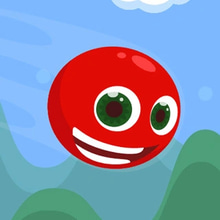
You’re a bright red dot in a world that doesn’t care if you fall. Platforms appear like thoughts, then vanish like excuses, and somewhere between them lives your timing. Red Head is beautifully simple: jump, land, repeat—until the screen decides you’ve second-guessed once too often. There’s no story beyond the one you write in centimeters and near misses. And yet the first bounce already hums with tension; you feel the spring in the ball, the tiny squeeze of air on liftoff, the relief when rubber meets safe ground. Miss and you learn. Hit and you dare the next gap. That’s the loop, pure and loud. 🎯
⚙️ The Feel of a Perfect Tap
Every press is a promise. Hold a heartbeat longer and the arc stretches into a satisfying rainbow; tap too fast and you clip a corner like a comedian tripping on his own punchline. The physics are clean and honest—no floaty drift, no mystery sauce. You’ll start counting in your head without meaning to: one-two hop, one hop, long hop. A good run sounds like percussion, your thumbs drumming an offbeat that somehow lands on time. When you’re in rhythm, gravity feels polite; when you’re not, spikes remember their job with grim enthusiasm. ⚡
🪜 Platforms with Opinions
They’re not just ledges; they’re characters. Some hang patiently, inviting easy arcs. Others slide like shy ghosts, daring you to commit early. A few act like trampolines, gifting extra height if your landing is clean. There are skinny slats that punish greed, wide planks that tempt you to relax (don’t), and disappearing tiles that wink, then betray. The game teaches with geometry: tilt, distance, speed. If a platform leans, aim for the high lip; if it jitters, arrive decisive; if it glows a little mean, expect a rule you haven’t met yet. The trick is to read the room while moving through it. 🧩
🗡️ Spikes Don’t Negotiate
They never move, never shout, never bargain. They just wait for hesitation. Skimming them by a pixel is the kind of gamble you’ll swear you’re done with—right before you try it again because the score counter is finally singing your song. The smartest players stop treating spikes like enemies and start treating them like punctuation. They mark the beats where your jump must end, not where your panic begins. Breathe, aim, commit. If you’re going to be brave, be precise. ☠️
🎮 Hands, Meet Flow
On PC or mobile, inputs vanish into instinct after a minute. Your left thumb handles timing; your right keeps your panic from touching the screen. Micro-taps become second nature, and longer presses get measured in tiny units only your hands understand. That’s the magic: a control scheme so honest the only thing between you and a new personal best is the distance between confidence and overconfidence. The game will not lie for you; that’s why the wins feel earned. 🧠
🚀 Speed Is a Choice, Not a Prison
You can stroll—tiny hops, safe arcs, a conservative dance that pushes the score like a sleepy tortoise. Or you can blaze—chaining long jumps, skipping “safe” landings, carving a route that feels like you borrowed wings. The world doesn’t speed up so much as you do. The faster your decisions, the louder the game becomes, until every platform feels like a cymbal crash and every landing rings like applause. The scoreboard doesn’t care how you got there. It only counts meters. 🏁
🌈 Micro-Stories in Midair
There’s a frame where you know. You’ve left the platform, the angle is committed, and your brain runs a tiny simulation in the space of a blink. Clear. Or not. In that tiny window lives the drama: the gasp when you realize the next ledge is a hair farther than your usual long tap; the grin when a bounce pad saves a greedy line; the oh-no-oh-yes double hop that threads between spikes like a coin through fingers. These are little legends, run by run, no witnesses required. ✨
🧭 Read the Next Three, Not the Next One
New players fixate on the platform under their feet. Good players look one ahead. Great players glance two, maybe three, letting their thumb set an angle that fits the whole sentence. If you spot a skinny bar after a fat plank, shorten early so you don’t arrive hot. If a trampoline follows a sliding tile, land shallow to steal extra lift without losing the slide window. The level generator rewards foresight; it doesn’t forgive tunnel vision. Eyes up. Jumps planned. Meter happy. 🔭
💡 Tiny Habits that Save Big Runs
Start with a medium jump after every risky landing; it recenters your pace. If you barely clear a gap, resist the urge to “fix” midair on the next—overcorrection is where scores go to nap. Touch down near the leading edge of a platform, not the middle; it buys space for the next commit. When a disappearing tile flickers, trust your first number—waiting is panic in disguise. And when the hands go shaky after a new record, blink once, soften your palms, and chase rhythm over greed. The score follows calm. 🧘
🔧 Practice That Doesn’t Feel Like Homework
The loop is short, the lesson immediate. Miss, replay, apply. You’ll notice your arcs smoothing within five minutes, your bad habits surfacing within ten. Maybe you always jump long after a bounce pad—time to add a deliberate short. Maybe you freeze on moving ledges—breathe, tap earlier than your fear suggests, celebrate when it sticks. Improvement here isn’t a grind bar; it’s the quiet thrill of muscle memory catching up to ambition. 📈
🎨 Minimalism with a Pulse
Red on neutrals; clean outlines; motion doing the talking. The soundtrack matches your heartbeat, a soft metronome when you’re composed, a cheeky thump when the platforms tighten. A crisp “pop” greets safe landings, a glassy chime celebrates milestone distances, and the rare, humiliating splat is mercifully brief. UI stays out of your way—score top corner, attempts below, no clutter, no nags. It’s a postcard from arcade land, modern and respectful. 🖼️🎵
🔥 Challenges to Keep It Spicy
Try a “no long press” run and discover how much precision hides in tiny taps. Go “every third jump must be a big one” and feel how routing changes. Set a scoreboard pact with yourself: three clean landings before any heroics. Aim for distance milestones, then rebuild your confidence with short, perfect warm-ups. This is how you keep the loop fresh—gentle constraints that teach new angles without stealing the fun. 🎯
🪙 Why the Score Matters (And Why It Doesn’t)
Yes, numbers climb. Yes, beating your friend by two meters is comedic gold. But the real victory is the control you feel building inside your hands. A high score is proof; the craft is the reward. Tomorrow, you’ll load Red Head for five calm minutes and leave half an hour later, lighter, because focus turned noise into motion and motion into a grin. That’s the quiet gift of a tight arcade design. 🌟
🧩 Mistakes You’ll Make (Once)
You’ll chase a fading tile and forget the spikes beyond it. You’ll land in the center of a moving ledge and get pushed off the trailing edge. You’ll panic-press and “double jump” into a gap that didn’t ask. Good. Catalog each faceplant by feel: the too-long hold, the late tap, the greedy follow-up. Then fix one habit per session. Small patches, big stability. 🛠️
🏆 Kiz10 Session Energy
Two minutes on the bus, ten before bed, a break between levels in another game—Red Head fits wherever attention can bloom. The restart is instant, the lesson immediate, the satisfaction unreasonably large for something this simple. It earns its spot on your Kiz10 playlist by respecting your time and rewarding your nerve. 📱💻
🌤️ Last Jump of the Morning
You’re midair, arc clean, spikes sulking beneath, the next platform sliding in like a friend holding the door. Tap, land, breathe, repeat. The score ticks into new territory, and you catch yourself grinning at a tiny red ball doing honest work in a world of edges. One more run, you say, knowing full well that “one more” means “until the rhythm leaves and comes back again.” Load Red Head on Kiz10, trust your thumb, and make the meter chase you for a change. 🔴🚀












 4.4 (235 votes)
 Share
Share
 Embed
Embed


