𝗧𝗛𝗘 𝗧𝗘𝗠𝗣𝗟𝗘 𝗧𝗛𝗔𝗧 𝗦𝗠𝗘𝗟𝗟𝗦 𝗟𝗜𝗞𝗘 𝗦𝗨𝗠𝗠𝗘𝗥 🏛️🍉
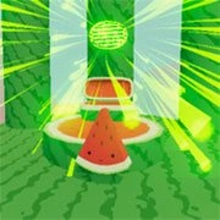
Temple of the Golden Watermelon drops you into a surreal 3D platform game where you play as a watermelon slice. Not a hero with a sword. Not a warrior with a double jump license. A slice. Juicy, stubborn, and weirdly brave. You’ve traveled absurdly far to reach a hidden temple and claim the legendary Golden Watermelon, and the temple’s response is basically: cool story, now try not to fall into the void.
On Kiz10 it feels immediate. The world loads, the air looks ancient, the stones look too clean to be honest, and the silence has that “something is about to shove you” energy. You take a step, your slice wobbles like it’s balancing on confidence alone, and suddenly you understand the real theme of the game: momentum is a friend until it becomes a bully.
𝗠𝗢𝗩𝗘𝗠𝗘𝗡𝗧 𝗧𝗛𝗔𝗧 𝗟𝗜𝗘𝗦 𝗝𝗨𝗦𝗧 𝗔 𝗟𝗜𝗧𝗧𝗟𝗘 👟🌀
The controls are simple in the way that makes you cocky. Move, jump, adjust in midair, land, repeat. Then you notice the slice has weight and slide, like the floor is lightly buttered for comedic purposes. It’s not unfair, it’s just honest. If you sprint into a corner and try to turn sharply, your fruit body keeps gliding and your brain goes “wait, stop, STOP,” while physics goes “no ❤️”.
That tiny drift is what makes the platforming feel alive. Every ledge becomes a negotiation. You can’t mash your way through it. You have to read the angle, commit, and accept that a clean landing often matters more than a dramatic leap. When you fail, it usually feels like your fault in a very specific way, not vague “the game cheated” nonsense. You jumped early. You landed crooked. You corrected too hard. You trusted a platform that looked friendly. You learned. Again.
𝗣𝗨𝗭𝗭𝗟𝗘𝗦 𝗬𝗢𝗨 𝗦𝗢𝗟𝗩𝗘 𝗪𝗜𝗧𝗛 𝗬𝗢𝗨𝗥 𝗕𝗢𝗗𝗬 🧩⚙️
This is not only a jump fest. The temple loves physical puzzles, the kind you solve by pushing and nudging the world into cooperation. You’ll shove blocks, slide objects into place, and build your own routes like you’re rearranging furniture in a haunted museum. It feels satisfying because it’s tactile. You see a thing that can move, you move it, and the level changes in a way your hands can understand.
And yes, you will push something slightly too far and immediately regret your entire personality. There’s a special flavor of pain in realizing you just sent your solution into the abyss. No reset button for your dignity. But that’s the charm. The puzzles are experiments. You test, you adjust, you try again with a little more patience and a little less panic.
𝗧𝗥𝗔𝗣𝗦 𝗧𝗛𝗔𝗧 𝗪𝗔𝗜𝗧 𝗙𝗢𝗥 𝗬𝗢𝗨𝗥 𝗘𝗚𝗢 😈🕯️
The temple’s traps don’t feel random. They feel… strategic. Like they were placed by an architect who hates speedrunners and loves dramatic mistakes. Narrow ledges appear right after a section where you finally felt fast. Gaps show up at angles that make your depth perception wobble. Some hazards arrive when you’re mid celebration, which is rude but also kind of hilarious.
Because it’s 3D, the camera becomes part of the challenge. Sometimes the jump is easy, it just looks weird from your current angle, and your brain invents danger that isn’t there. Other times it looks clean and it’s a liar. The game quietly teaches you to pause, rotate your view, and plan your landing like you’re doing a tiny mission briefing. One second of calm saves ten seconds of “why did I do that” later. 😅
𝗖𝗜𝗡𝗘𝗠𝗔𝗧𝗜𝗖 𝗠𝗢𝗠𝗘𝗡𝗧𝗦 𝗙𝗢𝗥 𝗔 𝗩𝗘𝗥𝗬 𝗦𝗜𝗟𝗟𝗬 𝗛𝗘𝗥𝗢 🎥🍉
There’s a surprising drama to the best platform games: the step to the edge, the pause, the jump, the landing that makes your stomach lift even though you’re sitting down. This one nails that rhythm, and the joke is that you’re doing it as a watermelon slice. The temple feels ancient and mysterious, the void is huge, and your protagonist is basically lunch with determination. Somehow that contrast makes every success feel better.
You’ll have those near miss moments where you clip a corner, wobble on a thin platform, and somehow survive. Your brain lights up like you just won an award. Then you remember you are still a fruit in a trap house and you calm down again. Or you don’t calm down, you sprint, and the temple collects you like a tax. Both outcomes are common.
𝗣𝗟𝗔𝗬 𝗟𝗜𝗞𝗘 𝗔 𝗦𝗨𝗥𝗩𝗜𝗩𝗢𝗥, 𝗡𝗢𝗧 𝗔 𝗛𝗘𝗥𝗢 🧠🛡️
If you want to reach the Golden Watermelon without losing your mind, start thinking in safe zones, not single jumps. Most areas have tiny pockets where you can stabilize, re align, and choose a clean approach. Use them. The game rewards players who take a breath. It punishes players who treat every platform like a runway.
Also, stop over correcting. That’s the classic mistake with a slippery character. You land a little off center, you panic, you turn hard, and now you’re sliding off the edge you could have saved with a gentle nudge. Small inputs first, then commit. The temple loves when you fight yourself.
When you get into that controlled flow, something changes. The game stops feeling like chaos and starts feeling like a skill challenge. You begin to aim for calm landings, to push blocks with intention, to line up jumps like you’re placing a chess piece. And the best part is that your improvement is obvious. You don’t need upgrades. Your hands become the upgrade.
𝗧𝗛𝗘 𝗚𝗢𝗟𝗗𝗘𝗡 𝗪𝗔𝗧𝗘𝗥𝗠𝗘𝗟𝗢𝗡 𝗜𝗦 𝗔 𝗣𝗥𝗢𝗠𝗜𝗦𝗘 🏆🌟
The Golden Watermelon is not just a collectible, it’s a promise the game keeps dangling in front of you. It says, keep going, the temple has an end, the prize is real, you can do it. And you believe it, even after the tenth fall, because every attempt teaches you something concrete. A better angle. A safer speed. A smarter push. A calmer camera check.
That’s why Temple of the Golden Watermelon works so well as a free online game on Kiz10. It’s easy to jump into for a quick run, and it’s the kind of 3D puzzle platformer that becomes addictive the moment you decide you want a cleaner attempt. You’ll come back “just to try one more time,” and suddenly you’re deep in the temple again, chasing a glowing myth with sticky hands and serious focus. The temple doesn’t care that you’re a slice of fruit. It only cares whether you can keep your balance. 🍉✨





 Share
Share
 Embed
Embed