𝗙🟦 𝗙𝗶𝗿𝘀𝘁 𝘆𝗼𝘂 𝗿𝘂𝗻, 𝘁𝗵𝗲𝗻 𝘁𝗵𝗲 𝘄𝗮𝗹𝗹𝘀 𝘀𝘁𝗮𝗿𝘁 𝗮𝗿𝗴𝘂𝗶𝗻𝗴
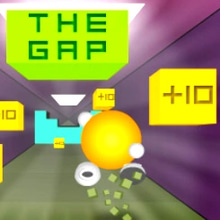
The Gap is one of those games that looks clean, simple, maybe even polite for a moment, and then immediately starts trying to flatten your confidence with giant incoming walls. Kiz10 describes it very directly as an endless runner where your goal is to pick cubes for a better score and avoid the oncoming walls, and honestly that short sentence already contains the whole trap. It sounds manageable. It sounds neat. It sounds like something you can master in a few tries. Then the first real stretch begins, the pace tightens, the space narrows, and suddenly you are no longer playing a calm 3D runner. You are negotiating with panic inside a geometric tunnel that clearly wants to embarrass you.
𝗖⚡ 𝗖𝘂𝗯𝗲𝘀 𝗮𝗿𝗲 𝗽𝗼𝗶𝗻𝘁𝘀, 𝗯𝘂𝘁 𝗮𝗹𝘀𝗼 𝘁𝗶𝗻𝘆 𝗯𝗮𝗶𝘁
What makes The Gap more dangerous than a plain dodge game is the score chase. You are not only surviving. You are also collecting cubes, and that changes the way your brain behaves almost immediately. In a perfect world, you would ignore the risky ones, stay centered, keep the run alive, and behave like a disciplined machine built for optimal movement. But nobody actually plays like that for long. A cube appears slightly off your safest route and suddenly your instincts become nonsense. You lean for it. You tell yourself the path is still open. You convince yourself the next wall is far enough away. And sometimes, annoyingly, you are right. That is why the game gets under your skin. The cubes reward greed just often enough to make greed feel smart, even when it is absolutely setting up your downfall five seconds later.
𝗪🚧 𝗪𝗮𝗹𝗹𝘀 𝗮𝗿𝗲 𝘁𝗵𝗲 𝗿𝗲𝗮𝗹 𝗹𝗮𝗻𝗴𝘂𝗮𝗴𝗲 𝗼𝗳 𝘁𝗵𝗲 𝗴𝗮𝗺𝗲
The title says The Gap, and that is exactly where your eyes start living after the first few moments. Not on the walls themselves, but on the opening. The safe space. The one place you are allowed to exist if you want the run to continue. That sounds obvious, but it changes the whole feel of the game. A lot of runners ask you to focus on the obstacle. This one makes you worship the gap. You stop seeing the track as open space and start reading it like a moving question: where can I fit, how fast do I need to shift, and how badly did I just position myself for the next wall? That is where the tension comes from. The walls are not only obstacles. They are timing checks with geometry. They keep asking whether you can move cleanly under pressure, and the answer gets messy fast if your rhythm slips even a little.
𝗥🎮 𝗥𝘂𝗻𝗻𝗶𝗻𝗴 𝗶𝘀 𝗲𝗮𝘀𝘆, 𝗿𝗲𝗮𝗱𝗶𝗻𝗴 𝘁𝗵𝗲 𝗻𝗲𝘅𝘁 𝘁𝘄𝗼 𝘀𝗲𝗰𝗼𝗻𝗱𝘀 𝗶𝘀 𝗻𝗼𝘁
The best endless runners are not really about movement alone. They are about anticipation, and The Gap feels built exactly around that kind of pressure. A beginner reacts to the wall that is already arriving. A better player starts reading the next line earlier, adjusts sooner, and keeps the run smoother. That difference is huge. It is the space between panic and control. When you first start, every wall feels sudden. Later, the game begins to look more readable, but only if you stop treating each obstacle as an isolated event. You have to think ahead. You have to notice how grabbing one cube changes your angle for the next safe opening. You have to keep your movement quiet and efficient instead of dramatic. The moment that shift happens, the game gets much better. Still mean, still fast, still fully capable of ruining your run in a heartbeat, but better.
𝗚🧠 𝗚𝗲𝗼𝗺𝗲𝘁𝗿𝘆, 𝗴𝗿𝗲𝗲𝗱, 𝗮𝗻𝗱 𝘁𝗵𝗮𝘁 𝗹𝗶𝘁𝘁𝗹𝗲 𝗹𝗶𝗲 𝗰𝗮𝗹𝗹𝗲𝗱 “𝗜’𝘃𝗲 𝗴𝗼𝘁 𝘁𝗶𝗺𝗲”
There is a specific kind of mistake The Gap loves to punish. It is not the totally chaotic error. It is the almost-confident one. The tiny delay. The extra cube chase. The decision to drift just a little farther before correcting. Those are the mistakes that hurt most because they feel intelligent right up until the wall arrives and proves otherwise. That is why the game becomes addictive. Failure usually makes sense. You can see it. You know exactly when the run started going wrong. Maybe you overcommitted. Maybe you trusted your reaction time too much. Maybe you played like the next opening was wider than it really was. Whatever the reason, the restart feels immediate because the correction already exists in your head. You know what you should have done, and that knowledge is dangerous. It drags you right back in.
𝗦🌌 𝗦𝗶𝗺𝗽𝗹𝗲 𝗹𝗼𝗼𝗸𝘀, 𝘀𝗵𝗮𝗿𝗽 𝗽𝗿𝗲𝘀𝘀𝘂𝗿𝗲
One reason The Gap works so well as a browser game on Kiz10 is that it does not waste a second pretending to be anything other than a pure skill challenge. No giant story. No fake mission structure. No unnecessary clutter. Just a clean 3D lane, collectible cubes, incoming walls, and your rapidly shrinking excuses. That kind of stripped-down design is perfect for endless runners because it lets the pressure speak clearly. The visuals stay readable. The goal stays obvious. The challenge stays immediate. It is the sort of game you can start in seconds and understand in less time than it takes to fail the first run, which is exactly how this genre should behave. Quick entry, quick punishment, quick temptation to go again.
𝗣💠 𝗣𝗼𝗶𝗻𝘁𝘀 𝗺𝗮𝗸𝗲 𝗶𝘁 𝗽𝗲𝗿𝘀𝗼𝗻𝗮𝗹
The score system is where a good survival run becomes a real obsession. Surviving is satisfying on its own, yes, but surviving with a strong cube count changes the emotional temperature completely. Now every run carries two pressures at once. Stay alive and do not waste opportunities. That combination is brilliant because it creates conflict inside every clean route. Safe path or rich path. Stability or ambition. Long survival or better score. The game never has to explain that tension. It just places cubes in your line of sight and lets your own greed do the rest. Some runs become cautious and smooth. Others become ridiculous little tragedies where you die chasing points you absolutely did not need. Both are entertaining. Only one is smart. Most players will choose the wrong one at least half the time, which is part of the fun.
𝗘🔥 𝗘𝗻𝗱𝗹𝗲𝘀𝘀 𝗿𝘂𝗻𝗻𝗲𝗿𝘀 𝗹𝗶𝘃𝗲 𝗼𝗿 𝗱𝗶𝗲 𝗼𝗻 “𝗼𝗻𝗲 𝗺𝗼𝗿𝗲 𝘁𝗿𝘆”
The Gap clearly understands that rule. The loop is immediate and honest. You run, collect, dodge, fail, restart, improve by a fraction, repeat. There is no wasted motion in that structure, and that is exactly why it sticks. A bad run lasts seconds. A good run feels earned. A great run usually ends with the kind of annoyed silence that only happens when you know you were close to something better. Then you hit play again. Endless runners survive on that exact emotional cycle. Not just difficulty, but visible improvement. And The Gap has the right shape for it: readable challenge, fast feedback, and enough score temptation to make discipline feel harder than it should.
𝗧🏁 𝗧𝗵𝗲 𝗴𝗮𝗽 𝗶𝘀 𝘀𝗺𝗮𝗹𝗹, 𝘁𝗵𝗲 𝗿𝘂𝗻 𝗶𝘀 𝗳𝗮𝘀𝘁, 𝘁𝗵𝗲 𝗵𝗼𝗼𝗸 𝗶𝘀 𝗿𝗲𝗮𝗹
The Gap on Kiz10 is a 3D endless runner that takes a tiny idea and squeezes a surprising amount of tension out of it. Collect cubes, dodge walls, live inside the opening, and try not to let greed ruin what could have been a beautiful run. For players who enjoy reflex games, endless runners, score-chasing arcade games, and browser skill challenges that become much meaner than they first appear, this one is an easy recommendation. It is clean, fast, addictive, and very good at turning one safe opening into the most important thing in the world for the next ten seconds. Which is ridiculous. And perfects.





 4.2 (11 votes)
 Share
Share
 Embed
Embed