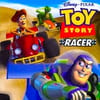
𝗧𝗢𝗬 𝗦𝗧𝗢𝗥𝗬 𝗥𝗔𝗖𝗘𝗥 🧸🏁
Toy Story Racer is the kind of game that hits you with nostalgia first and then, a few seconds later, quietly reminds you that toy cars can be absolute little monsters on the track. It takes the familiar kart racing formula and twists it into something stranger, more playful, and much more personal. You are not just driving fast on some generic circuit. You are racing inside the world of Toy Story, sliding across the floors of Andy’s house like you are one more toy caught in a gloriously chaotic competition.
That is what gives the game its charm. It respects the Toy Story universe without turning it into a lazy background theme. The tracks, the characters, the whole miniature vibe all work together to create a racing game that feels different from the usual arcade kart template. These are not heavyweight cars glued to the road. These are tiny wind-up and radio-controlled machines with their own strange sense of balance, bounce, and momentum. The result is a game that feels playful, awkward in the best way, and full of personality from the very first turn.
On Kiz10, that makes Toy Story Racer especially fun to revisit. You come for the Disney Pixar nostalgia, sure, but you stay because the handling has flavor. It is twitchy, toy-like, and just unpredictable enough to keep every race lively. One moment you feel like a drifting genius. The next, your tiny car spins like it remembered it is technically a toy and therefore not obligated to behave.
𝗧𝗛𝗘 𝗪𝗛𝗢𝗟𝗘 𝗚𝗔𝗠𝗘 𝗙𝗘𝗘𝗟𝗦 𝗟𝗜𝗞𝗘 𝗥𝗔𝗖𝗜𝗡𝗚 𝗢𝗡 𝗧𝗛𝗘 𝗙𝗟𝗢𝗢𝗥 𝗢𝗙 𝗔 𝗠𝗢𝗩𝗜𝗘 🎬🚗
One of the best things about Toy Story Racer is how committed it is to scale. You are not controlling full-size race machines on giant roads pretending to be somewhere in the Toy Story world. You are genuinely racing as a toy. That difference changes everything. Suddenly, familiar spaces become massive. Bedrooms feel like arenas. Floors become highways. Everyday objects start looking like obstacles, landmarks, and part of the race itself.
That shift in perspective gives the whole game a special magic. It captures the fantasy of being inside the movie rather than simply borrowing its characters. Andy’s room is not just a themed track. It feels like a real location seen from toy height, which makes every corner more memorable and every race feel more intimate. There is something brilliant about taking ordinary household environments and turning them into competitive circuits where centimeters feel like kilometers.
And because the world is so closely tied to the first Toy Story movie, the atmosphere lands perfectly. The game does not need to explain why the races feel charming. The setting does that work by itself. Everything carries that playful Pixar energy, but with just enough competitive bite to keep the racing from becoming too cute.
𝗧𝗛𝗘 𝗛𝗔𝗡𝗗𝗟𝗜𝗡𝗚 𝗜𝗦 𝗪𝗘𝗜𝗥𝗗. 𝗧𝗛𝗔𝗧 𝗜𝗦 𝗔 𝗖𝗢𝗠𝗣𝗟𝗜𝗠𝗘𝗡𝗧 🔄⚡
Toy Story Racer separates itself from typical kart racers through the way the vehicles move. This is not a simple copy of the standard drift-and-boost formula. The cars feel small, sensitive, and a little wild, which is exactly what they should feel like. They react to terrain differently. They carry toy-like inertia. They can turn tightly, even spin through strange 360-degree movements, and overall they behave with a kind of physical looseness that makes the game memorable.
That handling gives each race a different emotional rhythm. You are not just steering. You are negotiating with a machine that feels playful but not always polite. It is possible to make brilliant turns and feel completely in control, but it is also possible to overdo things and slide into chaos with surprising speed. That slight instability is not a flaw. It is the entire identity of the game.
And once you start understanding it, the fun increases a lot. The cars begin to make sense on their own terms. You stop fighting the toy logic and start working with it. Sharp corners become opportunities. Strange turns become stylish. The awkwardness becomes technique. That learning curve is a huge part of why the game sticks in memory.
𝗡𝗢𝗧 𝗝𝗨𝗦𝗧 𝗔 𝗥𝗔𝗖𝗘𝗥, 𝗔 𝗪𝗛𝗢𝗟𝗘 𝗧𝗢𝗬 𝗕𝗢𝗫 𝗢𝗙 𝗠𝗢𝗗𝗘𝗦 🎮🎡
Another reason Toy Story Racer stands out is its variety. It is not content with offering one race mode and calling it a day. The game includes classic championship-style racing, elimination tournaments, combat arenas, and time-based missions where collecting items becomes part of the challenge. That range gives it more energy and helps the whole experience feel less predictable.
This matters because kart racers live on variety. Racing alone can be fun, but the genre becomes much stronger when it includes side challenges and different ways to use the same movement system. Toy Story Racer clearly understands that. Some moments push you to simply finish first. Others ask for accuracy, item collection, or more chaotic competitive behavior. That variety keeps the game from feeling flat and lets different parts of the handling shine in different contexts.
It also fits the Toy Story tone really well. A toy-themed racing game should feel like opening a box full of different ways to play, not one rigid competition repeated forever. The shifting modes give the game that playful, slightly messy energy kids’ toy worlds are supposed to have.
𝗬𝗢𝗨 𝗚𝗘𝗧 𝗧𝗢 𝗥𝗔𝗖𝗘 𝗔𝗦 𝗧𝗛𝗘 𝗜𝗖𝗢𝗡𝗦 🚀🤠
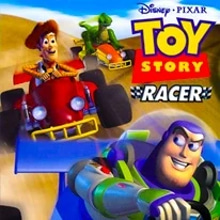
Character choice matters a lot in a game like this, and Toy Story Racer gets that completely right. Being able to play as characters like Woody, Buzz Lightyear, Rex, Mr. Potato Head, and Bullseye makes the whole experience more alive. These are not random drivers tossed into generic karts. They are beloved Toy Story personalities bringing their own energy into the race.
That helps every session feel more personal. Players do not just pick a vehicle. They pick a favorite. Maybe you want Buzz because the idea of speed and space heroics is too good to resist. Maybe Woody simply feels right because the game’s whole nostalgic heart beats in that cowboy direction. Maybe Rex is the correct answer because racing as a nervous dinosaur is objectively funny. Whatever the reason, the cast adds warmth and personality to the competition.
And because the game respects the original movie so much, seeing these characters on the track never feels forced. It feels like a natural extension of the Toy Story world, where toys would absolutely race each other if left unsupervised for long enough.
𝗔𝗥𝗘𝗡𝗔 𝗕𝗔𝗧𝗧𝗟𝗘𝗦, 𝗞𝗘𝗬 𝗠𝗜𝗦𝗦𝗜𝗢𝗡𝗦, 𝗔𝗡𝗗 𝗚𝗢𝗢𝗗 𝗢𝗟𝗗 𝗥𝗔𝗖𝗜𝗡𝗚 💣🗝️
The side content gives Toy Story Racer more bite than a simple nostalgia trip. Arena combat adds a welcome layer of chaos, encouraging players to use items and positioning instead of only raw speed. Time trial challenges and key-collecting missions break up the flow of standard racing in a way that keeps the whole game fresh. These mission types ask you to interact with the tracks differently, not just rush through them faster.
That design choice makes the world feel more like a playground than a closed competition circuit. Some modes reward aggression. Others reward path reading and control. Others simply test your ability to manage the toy-like driving model under pressure. Together, they give the game more identity and more reasons to keep playing beyond the basic urge to win a race.
It is also where the game’s sense of fun really shows. Not every kart racer needs to act like a serious championship. Toy Story Racer is comfortable being playful, and that confidence helps it age well.
𝗢𝗟𝗗-𝗦𝗖𝗛𝗢𝗢𝗟 𝗥𝗔𝗖𝗜𝗡𝗚 𝗪𝗜𝗧𝗛 𝗥𝗘𝗔𝗟 𝗖𝗛𝗔𝗥𝗔𝗖𝗧𝗘𝗥 🕹️✨
There is a very specific joy in revisiting a racing game from the early 2000s and feeling that it still has a distinct soul. Toy Story Racer absolutely has that. It is not polished into the same shape as every modern kart game. It is allowed to be a little odd, a little stiff in places, a little more experimental with control and mission structure. That individuality is part of its charm.
It also helps that the presentation leans so hard into the movie atmosphere. The soundtrack, the voices, the track themes, the whole toy-sized perspective all create a strong nostalgic pull. This is the kind of game that does not merely remind you of a movie. It reminds you of an era. An era of PlayStation classics, of licensed games that sometimes had surprisingly weird ambition, and of racing games willing to be playful in their own way.
That retro identity fits nicely on Kiz10. It gives players a chance to jump into a classic arcade racer that still feels different from the browser racing crowd surrounding it.
𝗪𝗛𝗬 𝗧𝗢𝗬 𝗦𝗧𝗢𝗥𝗬 𝗥𝗔𝗖𝗘𝗥 𝗦𝗧𝗜𝗟𝗟 𝗪𝗢𝗥𝗞𝗦 𝗢𝗡 𝗞𝗜𝗭𝟭𝟬 🏁🌟
Toy Story Racer works because it understands that character matters more than perfection. The handling is unusual, but memorable. The tracks are familiar, but transformed by scale. The modes are varied, the cast is charming, and the whole thing feels like a real toy-box racer instead of a generic kart clone with a license attached. That is not easy to achieve, and it is exactly why people still remember it.
If you enjoy retro racing games, arcade driving with unusual physics, Pixar nostalgia, and kart racers that offer more than just lap-after-lap repetition, this is an easy recommendation on Kiz10. It feels playful, competitive, and wonderfully toy-sized in a way very few racers manage.
Toy Story Racer is not trying to be the slickest racing game ever made. It is trying to feel like racing in Andy’s world with tiny unstable vehicles and a lot of personality. And honestly, that is a fantastic goal.







 2 (177 votes)
 Share
Share
 Embed
Embed