𝗣𝗥𝗘𝗧𝗘𝗡𝗗 𝗬𝗢𝗨’𝗥𝗘 𝗖𝗔𝗟𝗠… 𝗧𝗛𝗘𝗡 𝗧𝗔𝗣 🥷📦😵💫
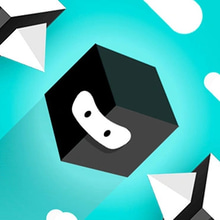
Jump Box Ninja starts with the most suspicious sentence a game can offer: “Just tap.” It’s always “just tap,” right? Like that’s a harmless thing. Like your finger won’t betray you. Like spikes aren’t waiting with the patience of a villain. You’re a little box that decided it’s a ninja, which is already funny, and now you’re stuck in a tiny arena of doom where the only way to survive is timing. Not complicated timing. Not “I studied a chart” timing. Pure instinct timing. The kind where you tap one beat late and instantly become an example.
On Kiz10, the magic is how fast it gets under your skin. You tap once, you hop, you feel fine. Then the spikes start moving like they have opinions about you. The gaps tighten. The rhythm shifts. You realize you’re not playing a casual jumper anymore, you’re playing a survival game disguised as a cute square. And suddenly you’re leaning toward the screen like posture alone might increase your reaction speed. It won’t. But you’ll do it anyway.
𝗧𝗛𝗘 𝗦𝗣𝗜𝗞𝗘𝗦 𝗔𝗥𝗘 𝗕𝗔𝗦𝗜𝗖𝗔𝗟𝗟𝗬 𝗧𝗛𝗘 𝗠𝗘𝗧𝗥𝗢𝗡𝗢𝗠𝗘 ⚙️🧨🎵
The smartest way to think about Jump Box Ninja is like a rhythm challenge that forgot to tell you it’s a rhythm challenge. You’re not jumping “when you feel like it.” You’re jumping when the pattern demands it. Those spikes aren’t random decoration, they’re a tempo. They create a beat your brain has to lock onto, and the moment you drift off the beat, you’re done.
At first you’ll try to react visually, like, “I see spike, I tap.” That works for about five seconds and then collapses because reacting is always late when the game speeds up. The real improvement comes when you start predicting. Not in a big-brain way, more like a body feeling. You start tapping a fraction earlier. You start trusting the swing of the obstacle cycle. You stop panicking on every movement and instead ride the cadence. It feels weirdly satisfying, like you’re learning a tiny language made of danger.
And yes, you will still die to the simplest spike in the world. That’s part of the charm. The game doesn’t only punish complicated mistakes. It punishes confident mistakes. The “I’m good now” tap. The “I can relax” tap. That’s the one that ends your run with embarrassing speed. 😭
𝗔 𝗡𝗜𝗡𝗝𝗔 𝗕𝗢𝗫 𝗜𝗦 𝗔 𝗧𝗢𝗫𝗜𝗖 𝗖𝗢𝗠𝗕𝗢 (𝗜𝗡 𝗔 𝗙𝗨𝗡 𝗪𝗔𝗬) 🥷📦🔥
There’s something hilarious about the character concept. A ninja is supposed to be sleek, silent, elegant. This one is a box. A box. It hops. It bumps. It looks like it should be shipped in a warehouse. And yet, when you start chaining perfect jumps, it actually feels ninja-like. Quick decisions. Clean timing. Tight escapes. That contrast makes every good run feel funnier and cooler at the same time, like you’re doing elite parkour with a cardboard head.
The visuals usually stay simple and readable, which is important because the game is already asking your brain to do enough. You need clarity. You need to see the hazards instantly. You need to understand where the safe space is without thinking too hard. Jump Box Ninja gives you that, then uses it against you by increasing speed and pressure until your hands feel slightly clumsy. Not fully clumsy. Just clumsy enough to ruin everything at the worst possible moment.
𝗧𝗛𝗘 𝗟𝗢𝗢𝗣: 𝗧𝗔𝗣, 𝗦𝗨𝗥𝗩𝗜𝗩𝗘, 𝗘𝗚𝗢, 𝗗𝗜𝗘, 𝗥𝗘𝗣𝗘𝗔𝗧 🔁😈✨
This is where the game becomes dangerous in the “I can’t stop” sense. Each attempt is short. Each death is instant. Each restart is immediate. That means your brain never gets time to cool down. You die and you’re already thinking, okay, but I know what I did wrong. You try again. You last longer. You get excited. You die again. You try again even faster because now you’re chasing that better streak like it’s a personal debt.
The psychology is sneaky. The game doesn’t need big rewards to keep you playing. Your reward is survival length, your score, your own pride. You don’t want to lose to the spikes. Not because the spikes are scary, but because they’re smug. They feel smug. They’re triangles, but they feel smug. And when you finally get into a clean flow where you’re tapping with confidence, the game starts feeling like you’re dancing through danger, which sounds dramatic… but it’s accurate. It becomes this tiny performance where your timing is the entire show.
Then you mess up one tap and the show ends. Curtain. Silence. Restart. 🎭💥
𝗛𝗢𝗪 𝗧𝗢 𝗣𝗟𝗔𝗬 𝗦𝗠𝗔𝗥𝗧 𝗪𝗜𝗧𝗛𝗢𝗨𝗧 𝗟𝗢𝗦𝗜𝗡𝗚 𝗬𝗢𝗨𝗥 𝗠𝗜𝗡𝗗 🧠🛟😅
Here’s the thing most players learn the hard way: your best runs aren’t frantic. They’re steady. If you tap like you’re trying to punch the screen into obedience, you’ll drift off rhythm. If you tap with a calm, consistent tempo, you last longer. The game rewards composure, even while it tries to steal it from you.
A small trick that helps is shifting your focus. Don’t stare at your character like it’s the only thing that matters. Look slightly ahead, at the hazard movement and the safe timing window. Your box will follow your input, but the pattern ahead tells you when the input should happen. When you do that, you stop “chasing” the obstacle and start leading it.
Also, don’t let one silly death poison your next run. That’s where players spiral. They die, they get annoyed, they tap faster, they die again, and suddenly the game feels unfair. It’s not unfair. It’s just consistent. Your mood changed your timing. Reset your hands. Take one clean attempt. Pretend it’s the first run again. It sounds goofy, but it works.
𝗪𝗛𝗘𝗡 𝗧𝗛𝗘 𝗚𝗔𝗠𝗘 𝗚𝗘𝗧𝗦 𝗙𝗔𝗦𝗧, 𝗬𝗢𝗨 𝗚𝗘𝗧 𝗤𝗨𝗜𝗘𝗧 🥷🔇⚡
Eventually the speed ramps up and the game starts feeling like a reflex test with no breathing room. That’s the peak Jump Box Ninja experience. Your taps become smaller, cleaner, almost automatic. You’re not thinking in full sentences anymore. You’re thinking in micro-feelings. Now. Not now. Now. Not now. It’s oddly peaceful, like a tiny meditation except the meditation is made of spikes and the punishment is humiliation.
And then the pressure moment arrives: you realize you’re close to a new best streak. Your brain tries to celebrate early. That’s when you lose. That’s when you tap a hair too soon. That’s when you learn the cruel truth: the finish line is invisible. There is no “safe” ending. The only safety is staying locked in.
When you finally break your record, it feels amazing because it’s real skill. You earned it. Your timing improved. Your patience improved. Your ability to stay calm in a tiny chaotic loop improved. It’s a simple game, but the skill curve is real, and that’s why it sticks.
𝗪𝗛𝗬 𝗝𝗨𝗠𝗣 𝗕𝗢𝗫 𝗡𝗜𝗡𝗝𝗔 𝗜𝗦 𝗣𝗘𝗥𝗙𝗘𝗖𝗧 𝗢𝗡 𝗞𝗜𝗭𝟭𝟬 🕹️🏆📦
This is the kind of browser game that fits Kiz10 perfectly because it gives instant action and instant improvement. You don’t need to learn menus. You don’t need to commit to a long session. You can play for a minute, fail a lot, improve a little, and still feel like you made progress. And if you’re the type of player who loves short skill games, reflex jump challenges, endless survival loops, and that classic “okay one more try” addiction, Jump Box Ninja delivers it in a clean, sharp package.
It’s cute enough to look harmless, but it’s strict enough to feel competitive. It’s chaotic enough to make you laugh, but precise enough to make you try harder. And when you’re in the zone, tapping through the traps like your box has actual ninja training, it feels ridiculously satisfying. Not because the game told you you’re great, but because you know you are… for about five seconds… until the next spike reminds you to stay humble. 😈📦🥷



 4.2 (7 votes)
 Share
Share
 Embed
Embed


