🌿 Where the Forest Stops Being Peaceful
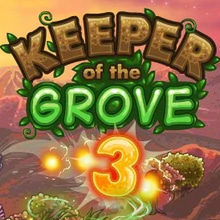
Keeper of the Grove 3 begins like a fairy tale that got tired of being polite. The setting is beautiful, sure. A magical grove, glowing crystals, a world that looks like it should be full of quiet birdsong and harmless little breezes. Then the enemies show up with theft in their eyes, and suddenly the whole forest turns into a tactical crisis. The core idea is simple and very good: this is a fantasy tower defense game where you place guardians around a path and stop waves of invaders from stealing the grove’s crystals. Kiz10’s page frames it exactly that way, and outside references describe the same crystal-defense setup with enemies marching toward the treasure while your magical units do the dirty work.
What makes the game click so fast is that it does not waste energy pretending to be something else. It knows what players came for. Build defenses. Protect the crystals. Survive wave after wave of increasingly annoying creatures that clearly have no respect for enchanted property rights. And once that loop starts, Keeper of the Grove 3 becomes the kind of strategy game that quietly takes over your attention. You place one tower, then another, then start staring at the path like it personally insulted you.
The tone is fantasy, but the pressure is real. There is always this pleasant little tension humming underneath the visuals. The grove looks calm until the next wave begins. Then suddenly everything matters. Placement matters. Timing matters. Upgrade order matters. That cute patch of grass where you carelessly dropped a defender two minutes ago? It is now the center of your entire emotional life.
🧙 Tiny Guardians, Big Responsibility
The best thing about Keeper of the Grove 3 is that it makes defense feel personal. You are not protecting some abstract score counter floating in the sky. You are protecting crystals. Precious magical stones. The kind of objective that immediately feels fragile, valuable, and worth getting irrationally defensive about. Once an enemy starts slipping too close to them, the reaction is instant. No, absolutely not. Turn around. Go bother another forest.
That emotional clarity does a lot for the game. Some tower defense games are mechanically solid but a little cold. This one has warmth. Not softness exactly, because the enemies are still there to ruin your plans, but warmth in the setting, in the colors, in the fantasy style, in the sense that the grove is alive and worth defending. It gives the strategy a heartbeat.
And then, quietly, the game starts testing whether your confidence is deserved. Early waves can make you feel clever. You place defenders, things explode or freeze or crumble, and you start believing you have figured everything out. That illusion never lasts. New enemy combinations roll in, weak points reveal themselves, and suddenly the defensive plan that looked elegant now resembles a well-decorated mistake. It is great. Truly. Nothing wakes up your strategy brain faster than watching one sneaky invader stroll past a setup you were weirdly proud of five seconds earlier 😅
That is when the real fun begins. Because Keeper of the Grove 3 is not about building one perfect answer. It is about adjusting. Reading wave pressure. Understanding which points on the path are stronger, which upgrades actually carry weight, and when to stop being sentimental about a mediocre tower placement.
✨ Magic, Money, and Mild Desperation
Like any good tower defense game, Keeper of the Grove 3 lives in the space between greed and panic. You earn resources, you invest them, and you keep asking yourself the same dangerous question: should I build now or wait one more second for something stronger? Strategy guides and game listings consistently describe the game as one where you build and upgrade defenders to intercept enemy hordes before they reach the crystals.
That economy loop is where so much of the tension comes from. Spend too early and your layout may lack punch later. Wait too long and the current wave turns into a parade of consequences. The game keeps you hovering in that uncomfortable, wonderful middle ground where no decision feels completely safe. You are always trying to be smart with limited resources while the battlefield keeps asking for more than you can comfortably provide.
And because the theme is magical rather than military, the whole experience feels a bit more charming than harsh. Your defenses are not bland cannons in a gray field. They are nature-infused guardians, elemental forces, protectors of the grove. That fantasy flavor matters. It keeps the game lively. Even when you are doing serious tactical work, there is still something playful in the presentation. It feels less like spreadsheet warfare and more like the forest itself is trying to help you hold the line.
There is also that wonderful tower-defense satisfaction when an area finally starts working exactly as intended. Enemies enter the lane, slow down, get shredded, and vanish before touching the crystals. Beautiful. Elegant. A tiny miracle of planning. Then of course the next wave arrives with some new nonsense and reminds you not to get too smug.
🍃 A Defense Game That Rewards Observation
Keeper of the Grove 3 is not just about dropping units wherever there is room and hoping the forest sorts it out. It rewards actual observation. You start noticing lane pressure. You start recognizing where enemies bunch up, where they slip through, where your current setup overperforms and where it embarrasses you. That is the point where the game stops being merely cute and starts becoming properly strategic.
What I like here is that the learning process feels natural. The game does not need a giant lecture to explain why positioning matters. It just lets your bad choices fail in public. A weak placement gets exposed. A smart upgrade shines. A neglected corner becomes the reason an entire wave goes wrong. That kind of feedback is clean and memorable. You learn because the battlefield refuses to lie to you.
And once your eye adjusts, the grove starts to look different. It is no longer just a pretty map. It becomes a network of choke points, timing windows, and opportunities. That transformation is one of the quiet joys of tower defense games. The same path that first looked harmless begins to reveal its personality. This bend is useful. That stretch is awkward. That intersection is sacred and must be defended at all costs like it contains your last remaining brain cell.
The game also benefits from its pacing. It gives you enough time to think, but not so much time that the tension disappears. You are engaged, not rushed into nonsense. There is room for strategy, but also enough pressure that strategy never becomes sleepy.
💎 Why It Is So Easy to Keep Playing
The replay pull in Keeper of the Grove 3 comes from a very simple emotional formula. When you win, you feel clever. When you lose, you feel like you almost were clever. That “almost” is powerful. It is the engine behind a lot of great strategy games, and this one uses it beautifully.
Because every stage can be approached a little differently, every failure feels adjustable. Maybe the layout was off. Maybe the upgrade order was wrong. Maybe you trusted the left side too much and the right side turned into a crime scene. Whatever happened, it rarely feels random. It feels fixable. That is important. A defense game becomes addictive when defeat sounds less like “impossible” and more like “okay, okay, I see what you wanted from me now.”
Keeper of the Grove 3 also stands out because it mixes accessibility with real tactical depth. It is easy to understand on the surface, but there is enough nuance in placement and resource use that players can improve naturally over time. The genre label itself is consistent across sources: fantasy strategy, tower defense, crystal protection, wave management.
That balance is why the game works so well on Kiz10. It is welcoming enough for casual players who just want a magical defense game, but sharp enough for players who enjoy optimizing builds and rethinking maps. You can drop in and enjoy the atmosphere, or you can get weirdly intense about lane control and tower efficiency. Both approaches make sense here.
🌲 The Grove Fights Back
By the end of a good session with Keeper of the Grove 3, the forest no longer feels passive. It feels defended. Claimed. Guarded by your choices, your stubbornness, and your refusal to let greedy little invaders lay a finger on those crystals. That is the emotional reward the game keeps delivering. Not just victory, but protection. A defended space. A magical place that stayed magical because you did the hard work.
If you enjoy tower defense games with fantasy atmosphere, crystal defense mechanics, tactical upgrades, and that lovely “one more level” rhythm, Keeper of the Grove 3 is an easy recommendation on Kiz10. It is colorful without being shallow, strategic without being exhausting, and charming without losing its bite.
It also has that rare quality some browser strategy games never quite reach: it feels memorable. Not because it is loud. Not because it is trying to shock you. Because it has a clear identity. A grove worth saving. Crystals worth protecting. Enemies worth blasting back into whatever cave of bad decisions they came from. And a battlefield that keeps asking just enough from you to stay exciting.
So yes, the grove is beautiful. But beauty alone will not save it. That part is your job. And once the waves start rolling in, once the path fills with thieves, monsters, and magical trouble, Keeper of the Grove 3 becomes exactly what a great fantasy tower defense game should be: tense, clever, satisfying, and just a little bit personal. 🌟





 Share
Share
 Embed
Embed