𝗣𝘂𝗿𝗽𝗹𝗲 𝗽𝗮𝗻𝗶𝗰, 𝗼𝗻𝗲 𝗯𝗿𝗮𝗶𝗻 🟣🧠
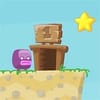
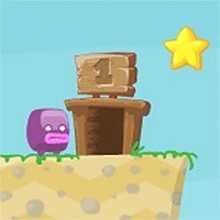
Purbalds starts with an innocent idea that feels almost cute: a bunch of little purple bald creatures wobble onto the level like they’re late for a meeting. You press a key, one moves… and then you realize, oh no, they ALL move. At the same time. Same jumps, same direction, same commitment to chaos. It’s a puzzle platformer where you don’t control a hero, you control a flock, and the flock has exactly one shared brain cell… which you are currently borrowing. Play it on Kiz10 and you’ll feel that weird mix of confidence and dread: confidence because the controls are simple, dread because simple controls plus group movement equals mistakes that multiply.
The core goal is deliciously straightforward: guide enough Purbalds to the exit door to clear the level. Not necessarily all of them. Enough. That single word changes everything. It turns every stage into a messy moral negotiation with yourself. Do you try to save everyone and risk failure? Or do you do the practical thing, get the required number through, and accept that a few will… let’s say… remain behind as “part of the plan.” 😬🚪
𝗦𝘁𝗲𝗽𝘀, 𝗷𝘂𝗺𝗽𝘀, 𝗮𝗻𝗱 𝘁𝗵𝗲 𝘄𝗼𝗿𝗹𝗱’𝘀 𝗺𝗲𝗮𝗻𝗲𝘀𝘁 𝗲𝗱𝗴𝗲𝘀 🧱⬇️
At first, it feels like a normal platform game. Walk. Jump. Collect stars. Avoid falling. Then the levels start introducing spacing problems: tiny ledges, awkward heights, places where one Purbald can make it but the group bunches up and someone gets nudged into danger. That’s when Purbalds stops being “a platformer” and becomes “crowd management disguised as platforming.” You begin to think like a stage director. You look at a gap and you don’t ask, Can I jump it? You ask, How many of my little purple dudes will jump it cleanly without body-checking each other into the void?
There’s a specific kind of comedy in watching them move like synchronized swimmers with zero training. You line them up, you time a jump, and half of them do it beautifully while one decides to bonk a wall and drop like a stone. The game is full of those moments where you sigh, pause, and then try again with a slightly different approach… like shifting the group one step back before the jump, or spacing them so they don’t collide mid-air. It’s not about reflexes. It’s about rhythm. And patience. And occasionally whispering “please” at your keyboard like that helps. 😅
𝗦𝘁𝗮𝗿𝘀 𝗮𝗿𝗲 𝗮 𝘁𝗿𝗮𝗽… 𝗯𝘂𝘁 𝗮𝗹𝘀𝗼 𝘀𝗵𝗶𝗻𝘆 ✨⭐
Stars sit in the level like little temptations. You can ignore them and focus on the exit, sure. But then your brain does that annoying gamer thing: I can totally grab that. It’s right there. And then you route the whole group toward it, the formation breaks, the timing shifts, and suddenly you’re solving a new puzzle you created for yourself. The best part? When you finally collect a star with a clean group movement, it feels earned, not random. Like you threaded a needle using five wiggly needles at once. 🤯⭐
Collecting stars also subtly teaches you how to manipulate the group’s shape. Sometimes you want them packed tight so they behave like one mass. Sometimes you want them stretched out like a messy line so one can trigger something while the others wait. That’s the real secret: you’re not just moving characters, you’re sculpting a moving formation.
𝗗𝗼𝗼𝗿𝘀, 𝗰𝗼𝘂𝗻𝘁𝗲𝗿𝘀, 𝗮𝗻𝗱 𝘁𝗵𝗲 𝗮𝗿𝘁 𝗼𝗳 “𝗲𝗻𝗼𝘂𝗴𝗵” 🚪🔢
The exit door is more than a finish line. It’s a checklist. If the level requires, say, three Purbalds to reach the door, then three is sacred. That counter above the door is basically the game’s heartbeat. You’ll see it drop as Purbalds arrive, and each time it decreases, your shoulders loosen a little. But the counter also creates tension because it changes your priorities mid-level. Once you have the required number safe, the rest of the group becomes… optional. That sounds harsh, but it’s also freedom. Now you can do something strategic: sacrifice the remaining Purbalds to remove them from the stage if they’re only causing chaos, or keep them alive to snag extra stars if you’re feeling brave. The game doesn’t judge. It just watches. Quietly. Like a teacher. 😈📚
This is where Purbalds becomes a proper logic game. You begin to plan routes that split the group naturally. You use ledges to separate them, platforms to delay them, slopes to funnel them. It’s herding, but with spikes and gravity and the constant threat of one Purbald shoving another at the worst time.
𝗧𝗶𝗻𝘆 𝗰𝗼𝗻𝘁𝗿𝗼𝗹, 𝗯𝗶𝗴 𝗰𝗼𝗻𝘀𝗲𝗾𝘂𝗲𝗻𝗰𝗲𝘀 🎮⚠️
The controls stay simple, which is kind of hilarious because the situations do not. You’re often doing micro-adjustments: a half-step forward, stop, jump, stop again, nudge, jump. It’s like you’re trying to park a bus using a spoon. One extra step can be the difference between a clean landing and a pile-up that pushes someone into a hazard. The game trains you to respect small moves. It makes you notice how a group accelerates, how spacing compresses when you stop, how jumping at the wrong moment makes the back of the group slam into the front like a purple traffic jam. 🚦🟣
And when you fail, it’s quick. No long cutscenes. No drama. Just restart and that little voice in your head going, okay, new plan: don’t do that again. The best kind of retry loop, honestly. Because you always feel like you were one decision away from success, and that’s the most dangerous feeling a puzzle platformer can give you. 😭🔁
𝗪𝗵𝘆 𝗶𝘁 𝗳𝗲𝗲𝗹𝘀 𝘀𝗼 𝗴𝗼𝗼𝗱 𝘄𝗵𝗲𝗻 𝗶𝘁 𝗰𝗹𝗶𝗰𝗸𝘀 🧩💥
Eventually you’ll hit a level where everything seems impossible for a few attempts, and then something shifts. You realize you don’t need to brute force the route. You need to change the group’s shape. Maybe you let one Purbald jump up first to create a stagger. Maybe you use a platform edge to split the line. Maybe you stop for one beat longer than usual so the group stacks in a safer way. And when it works, it feels like magic. Not because the game gave you a power-up, but because you understood the system. You out-thought the chaos. For one level, you became the calm brain cell again. 😌🟣
That’s why Purbalds works so well as a Kiz10 puzzle game. It’s approachable, funny, a little cruel in the way all good physics-ish platform puzzles are, and constantly nudging you to play smarter instead of faster. It rewards observation. It rewards stubbornness. It rewards the kind of player who can laugh at failure and still go, “One more try,” like it’s a promise. And when you finally guide the needed number through the door, the level ends with that satisfying feeling of order returning… right before the next stage shows you a new trap and asks if you learned anything at all. 😈🚪✨



 4.3 (17 votes)
 Share
Share
 Embed
Embed