𝗕𝗢𝗢𝗠 𝗕𝗢𝗢𝗠 𝗕𝗘𝗔𝗧… 𝗔𝗡𝗗 𝗧𝗛𝗘 𝗦𝗧𝗔𝗚𝗘 𝗧𝗥𝗜𝗘𝗦 𝗧𝗢 𝗞𝗜𝗟𝗟 𝗬𝗢𝗨 🎶⚡
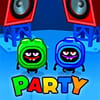
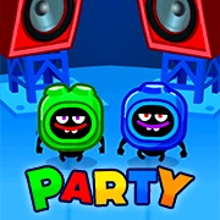
Silly Ways to Die: Party has this sneaky talent for looking like a harmless little dance party right up until the moment it isn’t. You load it on Kiz10.com expecting something cute and silly, and yes, it is cute and silly… but also, the stage is basically a booby-trapped disco platform that punishes bad rhythm like it has personal issues. Your job is simple in words and brutal in practice: keep the characters moving with the beat, hit the timing at the right moment, and don’t let them get zapped, crushed, or turned into a cartoon cautionary tale. The game is built around that deliciously stressful loop where you know exactly what you should do, your hands still panic anyway, and the consequences are immediate.
It feels like a rhythm challenge that doesn’t ask for fancy combos. It asks for clean timing. That’s the whole vibe. A short window appears, you respond, the character survives and keeps dancing. Miss it, and everything goes from “party” to “emergency” in a blink. There’s no long recovery, no gentle forgiveness. It’s more like: you slipped, the universe noticed, goodbye. 😭💥
𝗧𝗜𝗠𝗜𝗡𝗚 𝗜𝗦 𝗧𝗛𝗘 𝗢𝗡𝗟𝗬 𝗟𝗔𝗡𝗚𝗨𝗔𝗚𝗘 𝗛𝗘𝗥𝗘 ⏱️🕺
The core mechanic is all about hitting the right cue at the right time. It’s that classic “wait… now!” feeling that makes rhythm games addictive. But instead of being purely about score and musical perfection, this one adds a tiny layer of survival pressure that changes everything. When you play a normal rhythm game, missing a beat is embarrassing. In Silly Ways to Die: Party, missing a beat feels like you just signed a liability waiver with your own thumbs.
The best part is how quickly you start reading patterns. At first you react late because you’re watching the character like they’re the main focus. Then you realize the main focus is the timing cue. Your eyes shift. Your brain starts predicting. You stop thinking “hit the ring” and start thinking “the beat is approaching, prepare.” That shift is where the game gets you. Because now it’s not random chaos, it’s a skill you can improve. And once you believe you can improve, you’re trapped in the sweetest possible way. 😅🔁
𝗖𝗨𝗧𝗘 𝗖𝗛𝗔𝗥𝗔𝗖𝗧𝗘𝗥𝗦, 𝗗𝗔𝗡𝗚𝗘𝗥𝗢𝗨𝗦 𝗩𝗜𝗕𝗘𝗦 😈✨
The Silly Ways to Die style is all about contrast. The characters look like friendly little doodles who should be safely dancing in a cartoon music video, but the world they’re standing on is absolutely not their friend. That contrast is why every mistake feels both hilarious and painful. You’ll mess up and laugh because it’s absurd, then immediately restart because your pride is offended. It’s a weird emotional cocktail: cute, tense, funny, stressful, repeat.
And because it’s a party-themed rhythm challenge, the energy stays fast. The game doesn’t give you time to philosophize about your failures. It just tosses the next cue at you like, okay, are you awake now? Can you do it now? No? Cool. Again. 🎛️⚡
𝗧𝗛𝗘 𝗕𝗘𝗔𝗧 𝗚𝗘𝗧𝗦 𝗟𝗢𝗨𝗗𝗘𝗥 𝗔𝗦 𝗬𝗢𝗨 𝗚𝗘𝗧 𝗕𝗘𝗧𝗧𝗘𝗥 🎧🔥
What’s sneaky is how the game makes improvement feel physical. Your first attempts are messy. You click too early, then too late, then you try to “fix” it by clicking faster, which is the classic rhythm-game mistake because faster doesn’t mean better, it just means louder panic. Then, slowly, you start syncing up. Your taps become calmer. You’re not chasing the cue anymore, you’re meeting it. That’s the moment it starts feeling like a real rhythm skill game, not just a silly mini challenge.
And then the difficulty curve does its thing. As you get comfortable, the cues feel tighter, the pace feels sharper, and suddenly you’re back in the danger zone. Not because the game is unfair, but because it’s doing what good arcade rhythm games do: it lets you feel confident, then it demands that you earn that confidence. You can’t coast. Coasting gets you zapped. 😬⚡
There’s also something weirdly satisfying about surviving several perfect beats in a row. You feel like you’re keeping a fragile machine alive. Each success is a tiny victory, a clean little click that says, yes, I’m still in control. And the longer you last, the more the game feels like a performance. Not in a “I’m a pro musician” way, more in a “I’m juggling danger while pretending to dance” way. 🎭💎
𝗠𝗜𝗦𝗦𝗘𝗦 𝗗𝗢𝗡’𝗧 𝗙𝗘𝗘𝗟 𝗟𝗜𝗞𝗘 𝗠𝗜𝗦𝗦𝗘𝗦… 𝗧𝗛𝗘𝗬 𝗙𝗘𝗘𝗟 𝗟𝗜𝗞𝗘 𝗣𝗟𝗢𝗧 𝗧𝗪𝗜𝗦𝗧𝗦 😵🌀
When you fail, it rarely feels like “I didn’t understand.” It feels like “I blinked at the wrong time.” And that’s why the restart loop is so strong. The game is readable. You know what it wanted. You were just a fraction off. That kind of failure is dangerously motivating because it makes you believe the next attempt will be the one. And sometimes it is. Sometimes you lock in, you ride the beat, you survive a sequence that previously destroyed you, and you get that little internal celebration like you just won a tiny war. 🏆🎶
Other times, you fail instantly and your brain does that silent scream: why did I click like that. Why. Who was driving my hand. 😭
The party setting keeps it playful, though. It’s not grim. It’s not trying to traumatize you. It’s aiming for fast fun with high stakes in a cartoon way. The “danger” is comedic, but the timing demand is real, which creates that perfect arcade tension where you’re smiling while sweating.
𝗧𝗛𝗘 “𝗢𝗡𝗘 𝗠𝗢𝗥𝗘 𝗥𝗢𝗨𝗡𝗗” 𝗖𝗨𝗥𝗦𝗘 𝗜𝗦 𝗦𝗧𝗥𝗢𝗡𝗚 🔁🎉
Silly Ways to Die: Party is the kind of Kiz10 game that hijacks your sense of time. Because the rounds are short and the feedback is instant, you’re never far from another attempt. You don’t have to re-learn anything. You don’t have to reload your brain. You just go again. And that’s the trap: the barrier to retry is basically zero, so your determination has room to spiral.
You’ll also notice how it turns you into a perfectionist. You don’t just want to survive. You want to survive smoothly. You want the clean streak. You want to feel like your clicks are synced to the beat, not just barely inside the window. And that extra self-imposed standard makes it replayable even after you’ve “seen” the game. Because you’re not chasing content, you’re chasing execution. 🎯✨
𝗦𝗠𝗔𝗟𝗟 𝗧𝗜𝗣𝗦 𝗧𝗛𝗔𝗧 𝗦𝗧𝗢𝗣 𝗧𝗛𝗘 𝗦𝗧𝗔𝗚𝗘 𝗙𝗥𝗢𝗠 𝗘𝗔𝗧𝗜𝗡𝗚 𝗬𝗢𝗨 🛡️🎵
If you want to last longer, the biggest trick is to stop mashing. Rhythm games punish panic tapping because it pulls you away from the beat. Instead, try to anchor your timing to a steady internal count. Even if the music is playful, treat it like a metronome in your head. One… two… and click. Another trick is to watch the cue, not the character. The character is the reward, the cue is the truth. 👀⏱️
Also, accept that your first few misses are data. Not shame. Data. If you keep missing late, you’re hesitating. If you keep missing early, you’re rushing. Adjust one tiny notch, not a full personality change. That’s how you stabilize. That’s how you stop swinging between “too early” and “too late” like a broken pendulum.
And when you finally hit that flow state where each cue feels natural, it becomes oddly relaxing. Yes, the stage is trying to destroy you, but your hands are calm, your timing is clean, and the party finally feels like a party. Until it speeds up again. 😅⚡
Silly Ways to Die: Party on Kiz10.com is perfect if you like rhythm games, timing challenges, fast arcade sessions, and that goofy high-stakes energy where success looks simple but feels earned. It’s cute chaos, sharp timing, instant restarts, and a constant dare: can you keep the beat when the floor itself wants you gone? 🎶🚦💥





 Share
Share
 Embed
Embed