𝐁𝐋𝐈𝐍𝐊… 𝐀𝐍𝐃 𝐓𝐇𝐄 𝐖𝐎𝐑𝐋𝐃 𝐅𝐋𝐈𝐏𝐒 🌀👀
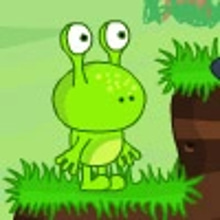
Wandering Eyes on Kiz10 feels like waking up inside a tiny physics prank. One second you’re standing normally, the next second gravity has changed its mind and your little frog-ish traveler is walking on the ceiling like it pays rent up there. It’s a platform puzzle game that doesn’t ask you to be fast first, it asks you to be sharp. You’re trying to reach the door, you’re trying to avoid the obstacles, and the only “superpower” you really have is switching gravity at the exact moment your instincts start yelling NOPE. The premise is clean and mean: flip gravity, steer through danger, reach the exit, repeat… and there are multiple stages to prove you didn’t just get lucky.
𝐓𝐖𝐎 𝐒𝐈𝐃𝐄𝐒 𝐎𝐅 𝐓𝐇𝐄 𝐒𝐀𝐌𝐄 𝐌𝐀𝐏, 𝐀𝐍𝐃 𝐁𝐎𝐓𝐇 𝐖𝐀𝐍𝐓 𝐘𝐎𝐔 𝐓𝐎 𝐅𝐀𝐋𝐋 🐸⬇️⬆️
The funniest thing about gravity-flip games is how quickly your brain stops trusting the floor. In a normal platformer, the ground is comfort. Here, the ground is just “whatever surface you’re currently not crashing into.” You move forward, you see a hazard, and you start doing the mental math: If I stay on this side, I’ll hit that. If I flip too early, I’ll slam into the ceiling trap. If I flip too late, I’ll drop into the wrong gap and get clipped. And suddenly it’s not “jumping,” it’s navigating a little physics argument in your head where gravity is the loudest voice.
Wandering Eyes makes each room feel like a tiny puzzle box. The door is the promise. The obstacles are the price. You’re not solving riddles with words, you’re solving them with timing. That’s what gives the game its bite: it’s simple to understand in one sentence, but your hands still have to execute under pressure.
𝐘𝐎𝐔𝐑 𝐁𝐄𝐒𝐓 𝐌𝐎𝐕𝐄 𝐈𝐒 𝐎𝐅𝐓𝐄𝐍 “𝐃𝐎 𝐍𝐎𝐓𝐇𝐈𝐍𝐆… 𝐘𝐄𝐓” ⏳😅
Here’s the secret rhythm: the game rewards patience that looks like hesitation. You’ll see a safe-looking moment and your first instinct will be to flip immediately, because flipping feels like progress. But the cleanest runs come from holding your nerve for half a second longer than you want to. Let the character drift into the right lane. Let the hazard cycle. Let the spacing line up. Then flip with purpose, not panic.
And when you don’t do that? Oh, it’s instant comedy. You flip at the wrong time, your character glides into a spike like it was magnetized, and you sit there staring at the screen thinking, I swear I meant to do that… as a joke. Sure. A “joke.” 🙃
𝐎𝐁𝐒𝐓𝐀𝐂𝐋𝐄𝐒 𝐓𝐇𝐀𝐓 𝐅𝐄𝐄𝐋 𝐋𝐈𝐊𝐄 𝐓𝐇𝐄𝐘’𝐑𝐄 𝐖𝐀𝐓𝐂𝐇𝐈𝐍𝐆 🧱👁️
The hazards in Wandering Eyes don’t feel random. They feel placed. Like someone designed them specifically to punish the exact habit you develop after you get comfortable. You’ll pass a few sections, start flipping confidently, then the game introduces a layout where that same timing gets you clipped. It’s a gentle kind of cruelty: nothing is impossible, but everything is positioned to demand attention.
That’s why the game works as a puzzle platformer. The challenge isn’t “how quickly can you mash,” it’s “how cleanly can you read.” You’re learning patterns: where the safe landing zones are, how much space you really have, which flips are “free” and which flips are commitments with consequences. The more you play, the more the level design starts to feel like a language you can read at a glance. And once you can read it, you start playing smoother… until the next stage changes the grammar and you go back to making desperate little flips like a confused pancake. 😭
𝐓𝐇𝐄 𝐃𝐎𝐎𝐑 𝐈𝐒 𝐓𝐇𝐄 𝐎𝐍𝐋𝐘 𝐓𝐇𝐈𝐍𝐆 𝐓𝐇𝐀𝐓 𝐍𝐄𝐕𝐄𝐑 𝐋𝐈𝐄𝐒 🚪✨
A good exit door in a puzzle game is basically a lighthouse. It’s the one calm object in a room full of bad intentions. You see it, you want it, you plan your whole route around it. Wandering Eyes leans into that clarity: reach the door, clear the level, move on.
But the path to the door is where your personality shows up. Some players flip early and often, constantly resetting their orientation like they’re playing it safe. Others try to stay on one side as long as possible and only flip when forced, like they’re saving their courage for later. Both approaches work… until they don’t. Because the game keeps reminding you: control is not the same as comfort.
𝐋𝐈𝐓𝐓𝐋𝐄 𝐋𝐄𝐕𝐄𝐋𝐒, 𝐁𝐈𝐆 𝐅𝐄𝐄𝐋𝐈𝐍𝐆𝐒 🎮⚡
Even with a simple setup, each level creates its own mini-drama. You start calm, you scout the first hazards, you make a few safe flips, then you hit the “problem section” where one mistimed move ends everything. That’s the part where your brain starts narrating like an unhinged coach. Okay. Breathe. Wait. Flip now. No, not now. NOW. Perfect. Keep going. Don’t get greedy. The door is right there. Don’t choke. Please don’t choke. 😅
And then you either glide into success and feel weirdly proud… or you fail one step from the exit and immediately hit restart because your pride has made a legal demand.
It’s that restart energy that makes Wandering Eyes so replayable on Kiz10. The levels aren’t marathon-long. You can try again quickly. Your mistake is obvious. The fix feels reachable. That “fixable failure” is basically the most addictive ingredient in skill puzzle games.
𝐊𝐄𝐘𝐖𝐎𝐑𝐃𝐒 𝐓𝐇𝐀𝐓 𝐅𝐈𝐓 𝐓𝐇𝐈𝐒 𝐖𝐄𝐈𝐑𝐃 𝐋𝐈𝐓𝐓𝐋𝐄 𝐏𝐇𝐘𝐒𝐈𝐂𝐒 𝐃𝐑𝐄𝐀𝐌 🧩🌀
If you’re the kind of player who searches for gravity flip games, physics platformers, puzzle jumping games, or “timing-based platform puzzle” stuff, Wandering Eyes sits right in that lane. It’s quick, it’s readable, it’s built around one clever mechanic, and it squeezes a lot of tension out of it without turning into a messy control fight. The skill ceiling comes from precision, not complexity. The game basically says: you have one trick. Use it well.
And yes, you’ll have moments where you feel like an elegant ceiling-walker, flipping perfectly and threading through hazards like it’s choreography. Then you’ll have moments where you flip at the worst possible time and your character drops straight into disaster like gravity personally filed a complaint against you. Both moments are part of the charm. 🐸🌀
𝐖𝐇𝐘 𝐖𝐀𝐍𝐃𝐄𝐑𝐈𝐍𝐆 𝐄𝐘𝐄𝐒 𝐈𝐒 𝐀 𝐆𝐑𝐄𝐀𝐓 𝐊𝐈𝐙𝟏𝟎 𝐏𝐈𝐂𝐊 🌟🕹️
Wandering Eyes is a compact puzzle platform experience that respects your time while still demanding your attention. The gravity switch mechanic is simple enough for anyone to grasp instantly, but it stays interesting because timing never stops mattering. It’s a game where success feels earned, failure feels fair (annoying, but fair), and every level gives you a clean goal: dodge the obstacles, flip gravity intelligently, reach the door, do it again with less fear and more style.
If you want a platform puzzle game on Kiz10 that’s quick to start and surprisingly sticky, this one does the jobs. Just don’t trust the floor. Ever. 👀



 4.3 (45 votes)
 Share
Share
 Embed
Embed


