𝗔 𝘀𝗹𝗼𝘄𝗲𝗿 𝘄𝗼𝗿𝗹𝗱, 𝗶𝗻 𝘁𝗵𝗲 𝗯𝗲𝘀𝘁 𝗽𝗼𝘀𝘀𝗶𝗯𝗹𝗲 𝘄𝗮𝘆 🌿
Animal Crossing is the kind of simulation game that does not yell for your attention. It does something much cleverer. It gently invites you in, hands you a patch of life to care about, and then somehow turns planting flowers, arranging furniture, catching fish, and chatting with animal neighbors into something weirdly magical. Not dramatic magic. Not dragon-fire magic. Softer than that. More like the feeling of hearing rain outside while your room is warm and everything smells like wood and tea.
That is the secret here. This is not a game about rushing to the finish line, because there really is no finish line. It is about building a place that slowly starts feeling like yours. A home, then a neighborhood, then a whole island shaped by your habits, your taste, and your strange decision to put a bench next to three fruit trees and call it perfect. Honestly? It probably is.
On Kiz10, Animal Crossing stands out as a life simulation game built around calm creativity. You collect resources, earn money, improve your house, befriend adorable animal residents, and slowly transform an island into a little world that reflects your mood. That loop sounds simple. It is. But simple and boring are not the same thing. This is simple in the way gardening is simple. There is always one more thing to adjust.
𝗧𝗶𝗺𝗲 𝗺𝗮𝘁𝘁𝗲𝗿𝘀 𝗵𝗲𝗿𝗲 ⏰
One of the most charming ideas in Animal Crossing is that the world follows the real clock. If it is nighttime outside your window, it becomes night on the island. If the season changes, the island changes too. Snow appears. Flowers bloom. The light shifts. Events arrive. Holidays come and go. It gives the whole experience a gentle feeling of continuity, like the game is not waiting frozen in place for your return. It has its own rhythm, and you are stepping back into it each time.
That design choice changes everything. A lot of games feel like machines. Press a button, get a reward. Animal Crossing feels more like a place. Some days you log in to rearrange furniture. Some days you fish for a while and wander around with no real plan. Other days you notice a small seasonal detail and realize the game has quietly moved forward with you. It creates attachment in a very subtle way.
There is something beautiful about that patience. The game is not trying to overwhelm you with urgency. It trusts the mood. It trusts that you will care because the world feels gentle, alive, and full of tiny pleasant surprises. That trust is rare, and it works.
𝗬𝗼𝘂𝗿 𝗵𝗼𝘂𝘀𝗲 𝗶𝘀 𝗼𝗻𝗹𝘆 𝘁𝗵𝗲 𝗯𝗲𝗴𝗶𝗻𝗻𝗶𝗻𝗴 🏡
At first, decorating your home feels like the obvious center of the experience. And yes, that part is excellent. You gather furniture, choose styles, play with layouts, and slowly turn empty rooms into spaces with personality. Cozy corners, weird combinations, tidy little kitchens, chaotic color experiments that should not work but somehow do. The game leaves room for all of it.
Then it opens wider. You are not only designing a house. You are shaping an island. That is where the creativity really starts to stretch. Paths, rivers, cliffs, outdoor decoration, public spaces, themed corners, gardens, beaches, strange little scenic spots nobody asked for but everybody ends up loving anyway. The island becomes a giant canvas disguised as a neighborhood.
This kind of customization is powerful because it lets every player move at a different speed. Some people will chase beautiful organization. Others will embrace happy clutter. Some will plan every detail like tiny landscape architects. Others will improvise and accidentally create something charming. Animal Crossing makes room for both perfection and whim. That freedom is part of why the game feels so personal.
𝗠𝗼𝗻𝗲𝘆, 𝗿𝗲𝘀𝗼𝘂𝗿𝗰𝗲𝘀, 𝗮𝗻𝗱 𝘁𝗵𝗲 𝘀𝘁𝗿𝗮𝗻𝗴𝗲 𝗷𝗼𝘆 𝗼𝗳 𝗱𝗼𝗶𝗻𝗴 𝗹𝗶𝘁𝘁𝗹𝗲 𝘁𝗮𝘀𝗸𝘀 🐟
Progress in Animal Crossing comes from everyday activity. You gather materials. You catch bugs. You fish in rivers and by the sea. You collect rare finds, sell items, donate specimens, and slowly build the financial support for your growing projects. This might sound ordinary on paper, but the game turns those little chores into the heartbeat of island life.
A fishing trip is not just a way to make money. It is a moment. A pause. A tiny self-contained goal with soft atmosphere wrapped around it. The same goes for collecting bugs or gathering resources. Every action feeds your long-term progress, but it also feels good on its own. That is difficult design to pull off. Many games turn routine into grind. Animal Crossing turns routine into ritual.
There is also a satisfying sense of pacing in how the game handles money and upgrades. You are not expected to become rich instantly and remake the entire island in one afternoon. Good. That would ruin the mood. Instead, the game encourages gradual improvement. One more payment, one more decoration, one more useful feature unlocked. The island grows because you keep showing up for it, not because you rushed through a checklist.
𝗡𝗲𝗶𝗴𝗵𝗯𝗼𝗿𝘀 𝘄𝗵𝗼 𝗺𝗮𝗸𝗲 𝘁𝗵𝗲 𝘄𝗼𝗿𝗹𝗱 𝗳𝗲𝗲𝗹 𝘄𝗮𝗿𝗺 🐻
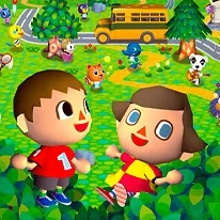
The animal villagers are a huge part of why Animal Crossing works so well. Without them, the island would still be pretty, but it would not feel alive in the same way. These neighbors bring humor, texture, and personality to everyday life. They have preferences, little routines, distinctive ways of speaking, and homes that feel like extensions of who they are.
Talking to them becomes part of the daily rhythm. Sometimes the conversations are funny. Sometimes they are sweet. Sometimes they are just pleasantly odd, which might be the game’s natural language. Their presence gives your projects emotional context. You are not only decorating for yourself. You are building a community space where these quirky little residents exist alongside you.
That community feeling is what turns the game from a decoration simulator into a life simulator. The island is not just shaped by objects. It is shaped by relationships, habits, and repeated visits. Over time, your favorite spots on the island are not always the most impressive ones. Sometimes they are just the places where nice little routines happened.
𝗙𝗿𝗶𝗲𝗻𝗱𝘀, 𝘃𝗶𝘀𝗶𝘁𝘀, 𝗮𝗻𝗱 𝘀𝗵𝗮𝗿𝗶𝗻𝗴 𝘁𝗵𝗲 𝘃𝗶𝗯𝗲 🌅
Animal Crossing also shines because it is easy to imagine as a social space. Visiting another island, sharing ideas, trading resources, comparing decoration styles, or simply wandering through someone else’s carefully shaped world adds another layer of inspiration. Even when the gameplay is calm, it never feels empty. There is always the idea that your island can become a place worth showing.
That social element fits the tone perfectly. This is not a competitive flex machine. It is a creative exchange. You see another layout, another path design, another use of space, and suddenly your brain lights up with possibilities. Then you go home and move three trees, rotate a chair, plant flowers somewhere new, and accidentally spend an hour perfecting a beach corner. Very normal behavior.
𝗪𝗵𝘆 𝗔𝗻𝗶𝗺𝗮𝗹 𝗖𝗿𝗼𝘀𝘀𝗶𝗻𝗴 𝘀𝘁𝗶𝗰𝗸𝘀 𝘄𝗶𝘁𝗵 𝘆𝗼𝘂 🌸
What makes Animal Crossing special is not one giant mechanic. It is the accumulation of small pleasures. The sound of waves. A well-decorated room. A lucky catch. A path finally placed exactly right. A friendly animal saying something silly. The island at sunset. Snow falling during a quiet evening. None of these moments scream for attention, but together they create a mood that is hard to forget.
On kiz10.com, it lands as a perfect simulation game for players who enjoy decorating, collecting, relaxing exploration, village life, and creative island building without constant pressure. It is gentle but never empty, slow but never lifeless. You do not conquer this game. You inhabit it.
Animal Crossing is a reminder that games can be soft, patient, and deeply satisfying without needing chaos every five seconds. Build your home. Shape your island. Catch something rare. Talk to your neighbors. Watch the seasons change. Then do it again tomorrow. The best part is that the world will still be there, quietly waiting 🌼

















 2 (156 votes)
 Share
Share
 Embed
Embed