𝗧𝗵𝗲 𝗸𝗶𝗻𝗱 𝗼𝗳 𝗺𝗮𝗴𝗶𝗰 𝘁𝗵𝗮𝘁 𝗺𝗮𝗸𝗲𝘀 𝘆𝗼𝘂 𝗽𝗮𝗻𝗶𝗰 🧙♂️💥
One Trick Mage has a hilarious, slightly cruel idea at its core: you’re a mage… but you don’t get a whole spellbook. You get one spell at a time. One. As in: pick your favorite, because the next potion you touch will replace it like an ex who blocks you instantly. And that single rule turns every level into a little brain-bending stage play where you’re the actor, the stunt coordinator, and the person in the audience whispering “don’t do that, why would you do that” while your character does it anyway.
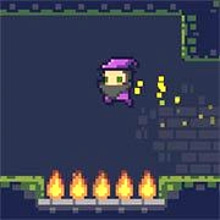
On Kiz10.com, it feels like a compact action-puzzle platformer that doesn’t need long cutscenes to be dramatic. The drama is in the room. A single screen can look harmless for half a second… then you notice the spike pits, the awkward ledges, the enemies with the exact kind of attitude you hate, and the treasure chests sitting there like shiny bait. The goal is simple: collect every chest, free whoever is trapped inside those tiny boxes, and make it out alive. The problem is that the solution keeps changing depending on what spell you’re currently allowed to use. And the game loves forcing you to choose between “this spell helps me right now” and “that other spell would make the next part not miserable.” 😅
𝗢𝗻𝗲 𝗿𝗼𝗼𝗺, 𝗼𝗻𝗲 𝗽𝘂𝘇𝘇𝗹𝗲, 𝗮 𝗵𝘂𝗻𝗱𝗿𝗲𝗱 𝘄𝗮𝘆𝘀 𝘁𝗼 𝗲𝗺𝗯𝗮𝗿𝗿𝗮𝘀𝘀 𝘆𝗼𝘂𝗿𝘀𝗲𝗹𝗳 🧩😬
The levels are built like single-screen challenges, which is secretly the perfect format for this gimmick. You enter, you scan the layout, you instantly start planning like a tiny general. Where are the chests? Which ones are safe? Which ones are obviously a trap wearing a cute hat? What’s the clean route that gets everything without turning you into wall decoration?
Then the game hands you a spell and whispers, “Good luck.” Sometimes you’ll have a mobility spell that makes you feel like an aerial genius, bouncing around like gravity doesn’t apply to you. Sometimes you’ll have something more aggressive that lets you clear threats, but suddenly the jumps become harder because you don’t have the movement trick you were relying on. It’s not just platforming, it’s constraint platforming. And constraints make puzzles interesting because they force you to improvise.
And you will improvise. Constantly. You’ll do that thing where you jump, realize midair you can’t do the move you expected, and your brain goes blank for a full second like a computer freezing. Then you land, somehow survive, and laugh because it looked intentional from a distance… if nobody saw the panic in your soul. 😭✨
𝗧𝗵𝗲 𝘀𝗽𝗲𝗹𝗹 𝘀𝘄𝗮𝗽 𝗱𝗶𝗹𝗲𝗺𝗺𝗮: 𝗽𝗼𝘁𝗶𝗼𝗻𝘀 𝗮𝗿𝗲 𝗯𝗼𝘁𝗵 𝗴𝗶𝗳𝘁𝘀 𝗮𝗻𝗱 𝗽𝗿𝗼𝗯𝗹𝗲𝗺𝘀 🧪🔄
The funniest part of One Trick Mage is how a power-up can feel like a downgrade depending on the room. You’ll see a potion and think, yes, I need that. Then you remember what you’re currently holding, and you hesitate like it’s a serious life decision. Because sometimes the spell you have is perfect for getting chest number one… but chest number two is clearly designed for a different spell. So what do you do?
You start playing like a thief. You grab one chest, sneak back, take the potion, reroute, hit another chest, and try not to get cornered by enemies while your toolkit keeps changing. The game turns spells into keys, but the keys don’t stack. They overwrite. That single design choice is what gives the game its personality: it’s not about collecting everything you can, it’s about choosing what you can afford to lose.
And yes, it creates that delicious regret moment. You drink the potion. You lose the spell you loved. You immediately need it again. You stare at the screen like it betrayed you. But it didn’t betray you. You betrayed yourself. 😌
𝗖𝗵𝗲𝘀𝘁𝘀 𝗮𝗿𝗲𝗻’𝘁 𝗷𝘂𝘀𝘁 𝗹𝗼𝗼𝘁, 𝘁𝗵𝗲𝘆’𝗿𝗲 𝗽𝗿𝗲𝘀𝘀𝘂𝗿𝗲 💰📦
Collecting the treasure chests is the real heartbeat of each level. They’re placed in ways that force decision-making: one might be in plain sight but guarded by enemies, another might be perched over spikes like it’s daring you to jump wrong, and another might require the exact right spell at the exact right moment. The best rooms make you feel clever, like you’re solving a puzzle with your own movement. The worst rooms (the best rooms) make you feel like you’re doing magic parkour while juggling fragile glass.
And because you have to collect all the chests to truly clear the room, you can’t just take the easy exit and call it a day. The game pulls you back into the danger. It pushes you to be thorough. That’s why it feels so satisfying when you finally clean a room perfectly: you didn’t just survive, you dominated the layout. You took everything it tried to hide from you. 😈💎
𝗘𝗻𝗲𝗺𝗶𝗲𝘀 𝘁𝗵𝗮𝘁 𝗽𝘂𝗻𝗶𝘀𝗵 𝗶𝗺𝗽𝗮𝘁𝗶𝗲𝗻𝗰𝗲 🐍⚔️
The enemies aren’t there to become a deep combat system. They’re there to stress your route. They force you to act with intention, to pick the right moment to move, to think about spacing instead of just leaping everywhere like a chaos gremlin. Even a small enemy becomes scary when you’re trying to land precise jumps and your spell just got swapped into something that doesn’t help you escape.
That’s why the game feels tense without being complicated. It’s pressure by design. The room is the puzzle, the enemies are the pressure, and your spell limitation is the rule that makes every solution feel unique. You’re not memorizing button combos. You’re learning how to stay calm when your plan changes mid-run.
𝗧𝗵𝗲 “𝗼𝗸𝗮𝘆 𝗼𝗻𝗲 𝗺𝗼𝗿𝗲 𝘁𝗿𝘆” 𝗲𝗳𝗳𝗲𝗰𝘁 𝗶𝘀 𝗿𝗲𝗮𝗹 😵💫🎮
Because each level is compact, failures don’t feel like punishment. They feel like information. You fail, you instantly know why, and you want to re-enter the room with a cleaner plan. You’ll start doing tiny improvements: a different route, a safer jump, a smarter moment to swap spells, a less greedy chest grab. And those tiny improvements add up fast, which makes the game wildly replayable.
There’s also a kind of confidence loop that forms. You clear one room and feel smart. Then the next room humbles you, and you feel stubborn. Then you clear it and feel smarter. Then the next one appears and you’re like… alright, fine, show me what you’ve got. It’s a small game that keeps poking your ego in a playful way, and that’s exactly why it sticks.
𝗟𝗶𝘁𝘁𝗹𝗲 𝘁𝗶𝗽𝘀 𝘁𝗵𝗮𝘁 𝗺𝗮𝗸𝗲 𝘆𝗼𝘂 𝗳𝗲𝗲𝗹 𝗹𝗶𝗸𝗲 𝗮 𝗿𝗲𝗮𝗹 𝗺𝗮𝗴𝗲 🧠✨
If you want to start clearing rooms more consistently, treat spells like tools, not prizes. Before you pick up a potion, look at what it will cost you. Ask yourself: do I need my current spell for one more jump or chest? Can I grab the next chest first, then swap? Can I route back safely after swapping, or will I trap myself on a platform like a dramatic fool? Also, don’t rush the first two seconds. Scanning the room is frees power. The game is fast, but it rewards calm.
And when you mess up, don’t rewrite your entire strategy. Fix one thing. Swap one potion later. Approach one ledge differently. Make one jump less greedy. One Trick Mage is a game of small corrections that turn into big wins.
𝗙𝗶𝗻𝗮𝗹 𝘃𝗶𝗯𝗲: 𝘀𝗺𝗮𝗿𝘁, 𝗰𝗵𝗮𝗼𝘁𝗶𝗰, 𝗮𝗻𝗱 𝘄𝗲𝗶𝗿𝗱𝗹𝘆 𝗰𝗹𝗲𝘃𝗲𝗿 🧙♂️🧩💥
One Trick Mage on Kiz10.com is a puzzle platformer that turns one simple limitation into constant variety. You’ll jump, swaps spells, chase every chest, rescue trapped allies, and get humbled by your own impatience… then come back and clear the room like you meant to do it that way all along. It’s quick, it’s clever, and it’s dangerously good at making you say “last try” when you absolutely don’t mean it. 😄



 4 (18 votes)
 Share
Share
 Embed
Embed


