𝗢𝗨𝗖𝗛 𝗙𝗜𝗡𝗚𝗘𝗥: 𝗧𝗛𝗘 𝗧𝗜𝗡𝗬 𝗚𝗔𝗠𝗘 𝗧𝗛𝗔𝗧 𝗠𝗔𝗞𝗘𝗦 𝗬𝗢𝗨 𝗙𝗟𝗜𝗡𝗖𝗛 😵💫👉
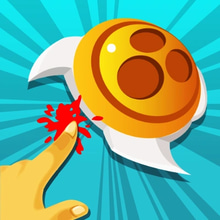
Ouch Finger is the kind of casual game that looks harmless until your first mistake, and then your brain goes “NOPE” like it just touched a hot pan. On Kiz10, it’s all about quick reactions and tiny decisions under pressure. The concept is simple: your finger is in danger and you have to keep it safe. But the game turns that simplicity into a nasty little reflex test, where one second of hesitation can lead to a dramatic “ouch” moment that feels way louder than it should for a small game.
The charm is how immediate it is. No long setup. No slow tutorial parade. You jump in, see the situation, and your instincts take over. It’s the kind of arcade timing experience where you’re not trying to solve a puzzle for ten minutes; you’re trying to stay clean for ten seconds at a time, stacking small successes into a bigger run. And the second you start doing well, the game gets cheekier.
𝗧𝗛𝗘 𝗖𝗢𝗥𝗘 𝗙𝗘𝗘𝗟: 𝗥𝗘𝗔𝗖𝗧, 𝗔𝗩𝗢𝗜𝗗, 𝗗𝗢𝗡’𝗧 𝗚𝗘𝗧 𝗖𝗔𝗨𝗚𝗛𝗧 ⚡🧠
Ouch Finger lives in that tiny space between comedy and panic. You’re watching for danger cues, waiting for the right moment to act, and trying not to get baited into a bad move. It’s a skill game disguised as a joke. The controls and actions are usually straightforward, but the timing is the real boss.
This is where the fun happens. Your eyes start scanning for patterns. Your brain starts building a rhythm. You begin to anticipate instead of react late, which is the difference between looking like a pro and getting punished instantly. The game rewards clean timing more than speed-mashing. If you rush everything, you’ll mess up. If you hesitate too much, you’ll mess up too. The sweet spot is confident timing: act decisively, then stop at the exact right moment.
And yes, there’s always that one trap you’ll fall for twice because you’ll think “this time it won’t happen.” It will. 😅
𝗧𝗛𝗘 𝗢𝗨𝗖𝗛 𝗠𝗢𝗠𝗘𝗡𝗧: 𝗪𝗛𝗬 𝗙𝗔𝗜𝗟𝗨𝗥𝗘 𝗜𝗦 𝗦𝗢 𝗙𝗨𝗡𝗡𝗬 😭😂
A good reaction game has a special kind of humor: you fail fast and you know exactly why. Ouch Finger leans into that. When you mess up, it’s immediate, and it feels like the game is giving you a tiny slap on the wrist and saying “You got greedy.” That’s why it’s so replayable. You don’t lose and feel confused. You lose and think, “I can fix that in one more try.”
It creates that classic Kiz10 loop where you restart instantly and your next attempt is already smarter. You adjust your timing. You calm your hand. You stop overcommitting. You start paying attention to the signals you ignored before. This makes improvement feel real, which is rare for games that are this simple.
And the best part is the emotional whiplash. One second you’re relaxed. Next second you’re hyper-focused like you’re defusing a bomb with your fingertip. Then you win a clean sequence and relax again. That rise and fall keeps the game from feeling boring.
𝗣𝗔𝗧𝗧𝗘𝗥𝗡𝗦 𝗔𝗡𝗗 𝗧𝗘𝗠𝗣𝗧𝗔𝗧𝗜𝗢𝗡: 𝗧𝗛𝗘 𝗚𝗔𝗠𝗘 𝗧𝗥𝗜𝗖𝗞𝗦 𝗬𝗢𝗨 𝗜𝗡𝗧𝗢 𝗠𝗜𝗦𝗧𝗔𝗞𝗘𝗦 🌀🎭
What makes Ouch Finger more than a random tap game is how it plays with your expectations. You’ll start recognizing patterns in the dangers, then the game changes the pacing just enough to mess with your timing. That’s where you see who’s actually locked in. It’s not about memorizing one pattern forever. It’s about staying awake and adapting.
There’s also a psychological trap: once you’ve survived a few close calls, your confidence spikes, and you start acting earlier than you should. The game loves that. It’s like it can smell ego. It waits for you to get comfortable and then punishes the first sloppy move. The most consistent players aren’t the most aggressive. They’re the ones who stay steady even when the game tries to speed up the feeling.
When you’re doing well, the gameplay feels smooth and controlled, like you’re reading the beat correctly. When you’re doing poorly, it feels like everything is “too fast,” even if it isn’t. That’s the hallmark of a good reflex challenge: it reveals your mental state.
𝗧𝗛𝗘 𝗦𝗖𝗢𝗥𝗘 𝗖𝗛𝗔𝗦𝗘: 𝗢𝗡𝗘 𝗠𝗢𝗥𝗘 𝗧𝗥𝗬 𝗜𝗦 𝗔 𝗟𝗜𝗘 🏆😈
Ouch Finger is built for score chasing. Whether it’s a survival streak, a level climb, or a performance rating, the game makes you care about doing “just a little better.” That’s why it’s so easy to play in short bursts. You can jump in for a quick attempt, get a decent run, and stop. Or you can get a run that feels almost perfect and then you’re stuck in the cycle: “I can beat that. I literally can. I just need one cleaner moment.”
It’s the perfect casual game tension because the goal always feels reachable. You don’t need to grind for hours to see progress. You need to be sharper for a few seconds. That’s approachable, and it’s addictive.
And because every run is quick, the cost of trying again is low. That keeps the experience fun instead of exhausting. You fail, you laugh, you restart. The game doesn’t punish you with long downtime. It punishes you with embarrassment, and honestly that’s enough. 😅
𝗛𝗢𝗪 𝗧𝗢 𝗣𝗟𝗔𝗬 𝗕𝗘𝗧𝗧𝗘𝗥 𝗪𝗜𝗧𝗛𝗢𝗨𝗧 𝗚𝗘𝗧𝗧𝗜𝗡𝗚 𝗦𝗧𝗨𝗖𝗞 🧊✨
The biggest improvement you can make is learning to act on clean windows, not on hope. If a timing window looks “maybe,” treat it as “no.” Wait for the clear opening. That one habit instantly makes your runs longer because it reduces panic decisions.
The second improvement is micro-pauses. Not long hesitations. Just tiny resets between actions. A lot of players lose because they carry the excitement of the last near-miss into the next move and rush it. Reset your attention for half a beat, then act. Your hands will get cleaner. Your mistakes will get rarer.
Finally, don’t chase perfection too early. If you’re trying to max out every moment, you’ll overcommit and crash your run. Build consistency first, then push for riskier timing once you can reliably survive. Ouch Finger rewards discipline more than bravery, which is funny, because it looks like a game about being reckless.
𝗪𝗛𝗬 𝗢𝗨𝗖𝗛 𝗙𝗜𝗡𝗚𝗘𝗥 𝗙𝗜𝗧𝗦 𝗞𝗜𝗭𝟭𝟬 𝗦𝗢 𝗪𝗘𝗟𝗟 🎮💛
On Kiz10, Ouch Finger is a perfect “quick skill” title: short attempts, instant feedback, and a clean learning curve that makes you feel improvement fast. It’s simple enough to play casually, but sharp enough to keep you trying again when you know you can do better. It’s silly, it’s tense, it’s satisfying, and it’s the kind of game where your best weapon isn’t a power-up. It’s your ability to stay calm while the games tries to make you flinch.












 2.5 (59 votes)
 Share
Share
 Embed
Embed


