🏰⚔️ A ruined fortress is always a bad sign, and that is exactly why it works
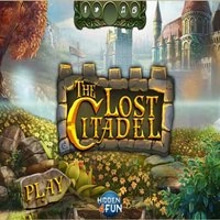
I could not verify a Kiz10 page for “The Lost Citedal” with that exact spelling during checking. It looks very likely to be a typo for “The Lost Citadel.” Since I could not confirm an exact Kiz10 entry for either version, I’m adapting this from the title itself and from the kind of castle, dungeon, and dark-fantasy action games Kiz10 already carries.
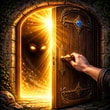
And honestly, the title is already doing a lot of work. Lost citadels are never peaceful places. They are not bright tourist destinations with clean stairs and helpful maps. A lost citadel means stone corridors, sealed chambers, old violence, unanswered questions, and the very strong chance that whatever once ruled the place did not leave politely. That is a fantastic foundation for a browser adventure because it creates mood before the game even explains a single mechanic.
A game called The Lost Citadel should feel heavy from the first room. The architecture matters. The silence matters. The idea of “lost” matters. A normal castle is a setting. A lost citadel is a warning. It suggests history, collapse, hidden power, and a world that has moved on while this fortress stayed behind, rotting quietly and waiting for the next fool brave enough to walk in. Which, naturally, is the player.
That is why this concept works so well on Kiz10. The site already has real pages built around dangerous strongholds, hostile corridors, and knight-or-dungeon pressure. Guardians of the Galaxy: Citadel Storm proves the citadel setting itself plays well there, while KnightBit: Return of the knights shows the appetite for fortress combat, tense traversal, and dangerous medieval spaces. The Lost Citadel fits naturally into that broader lane, even if I could not verify the exact page.
🕯️🧱 The place itself should feel like an enemy
The best part of a title like this is that the citadel does not need to be passive. In a strong dark-fantasy game, the fortress itself becomes the challenge. Doors are locked for reasons. Hallways are shaped by old fear. Traps feel deliberate. Rooms look like they were designed to test intruders, not host them. That turns exploration into pressure. You are not simply moving through scenery. You are reading a machine built from stone and memory.
That is what makes strongholds so effective in browser action games. Every corridor has a purpose. Every chamber can hide a fight, a puzzle, or something worse than either. The deeper you go, the more the environment starts feeling layered. Not random ruins, but ruins with intention. That feeling is where the tension comes from. You stop trusting empty space. You start watching corners, gaps, doors, and anything that looks too still to be harmless.
And because the title says “lost,” the atmosphere can get even sharper. A lost citadel should feel abandoned, but not fully dead. It should feel like something remains, whether that is a curse, a guardian, a machine, a hidden order, or just the weight of whatever happened there long before the player arrived. That kind of mood is excellent for Kiz10-style adventures because it gives simple mechanics more emotional force. Even a basic jump or attack feels bigger when the fortress around you looks like it remembers blood.
⚡🛡️ Action works better when the fortress keeps pushing back
A game with this title probably works best as an action adventure or action platformer. Not because every scene needs constant combat, but because citadel games become stronger when movement and danger stay closely tied together. You do not want a fortress full of empty walking. You want pressure. Not nonstop noise, but enough resistance that every room feels like progress was earned.
That can come from enemies, obviously. Ancient guards, corrupted knights, lurking beasts, rogue machines, whatever suits the tone. But it can also come from the structure itself. Tight stairs. Dangerous drops. Timed hazards. Trap-lined bridges. Narrow ledges in tall ruined towers. That kind of design makes the action feel rooted in the place. The fortress becomes more than a backdrop. It becomes the logic of the challenge.
That is why the citadel fantasy is so durable. It lets a game feel larger than its actual size. One good tower room can feel epic if the stakes are right. One dangerous bridge can feel like a whole story if the fall beneath it looks final enough. Browser games do not need massive worlds when the environment itself is doing this much atmosphere work.
🗝️🌫️ Lost places always promise more than one kind of reward
Another reason this title works is that lost fortresses are not only dangerous. They are tempting. A citadel is supposed to contain something. Knowledge, treasure, relics, forbidden power, a hidden ruler, a sealed weapon, some ugly truth about why the place was lost in the first place. That means exploration gains a second layer. You are not just surviving. You are trying to discover.
That kind of structure is excellent because it keeps the player moving forward for more than one reason. Fear pushes from behind. Curiosity pulls from ahead. Good fantasy adventures live on that balance. The deeper chambers look riskier, but also more important. A locked gate becomes irresistible. A hidden stairwell becomes a promise. Even a broken statue starts to feel like a clue.
And in a title like The Lost Citadel, the story practically writes itself through objects and architecture. Dust means time. Ruin means conflict. Locked chambers mean secrets. The fortress can speak long before any dialogue does. That is one of the best things in this genre. You do not just read the story. You walk through it, room by room, while trying not to get destroyed by whatever still believes the citadel belongs to it.
🔥🧠 Why this kind of fantasy challenge sticks
Dark-fantasy fortress games tend to linger because they combine physical tension with mystery. Action alone can be exciting, but action inside a lost stronghold feels heavier. Every fight has context. Every room has mood. Every step downward or upward seems to matter because the place is old enough to feel important and dangerous enough to feel alive.
That is why the concept fits Kiz10 so naturally. The site already shows room for dangerous citadel runs and hostile medieval settings through pages like Guardians of the Galaxy: Citadel Storm and KnightBit: Return of the knights. The Lost Citadel, as a title, belongs comfortably in that broader territory: a place of walls, danger, and hard-earned progress.
If the game follows what its name promises, then it should appeal to players who like dark corridors, fantasy combat, trapped ruins, and that lovely “one more chamber” feeling where danger keeps getting worse but the fortress keeps getting more interesting. That is always a good sign. It means the game understands the most important rule of all: a lost place should feel worth getting lost insides.



 4.3 (7 votes)
 Share
Share
 Embed
Embed