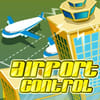
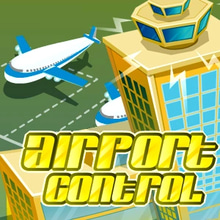
𝗔𝗜𝗥𝗣𝗢𝗥𝗧 𝗖𝗢𝗡𝗧𝗥𝗢𝗟: 𝗧𝗛𝗘 𝗥𝗨𝗡𝗪𝗔𝗬 𝗜𝗦 𝗬𝗢𝗨𝗥 𝗧𝗜𝗠𝗘𝗥 ✈️⏱️
Airport Control is the kind of strategy game that looks harmless until you realize every aircraft on screen is basically a moving deadline. On Kiz10, you step into the role of air traffic control, not with a giant radar wall and a comfy chair, but with pure click-and-react pressure. Planes appear, they keep moving, and your job is to catch them before they slip off the screen. One clean click makes a plane land. One late click makes you feel like you just watched your paycheck fly away.
The best part is how fast your brain switches modes. At first you’re relaxed, clicking calmly, thinking, okay, I understand. Then the traffic thickens and suddenly it’s not “one plane at a time,” it’s a puzzle of timing and spacing. Which plane is most urgent right now. Which one is about to collide if I land it too early. Which one can wait two seconds. Airport Control turns those tiny decisions into the whole game, and it’s surprisingly intense for something that’s basically “click to land.” 😅
𝗧𝗛𝗘 𝗠𝗔𝗜𝗡 𝗟𝗢𝗢𝗣: 𝗖𝗟𝗜𝗖𝗞, 𝗟𝗔𝗡𝗗, 𝗗𝗢𝗡’𝗧 𝗟𝗘𝗧 𝗧𝗛𝗘𝗠 𝗧𝗢𝗨𝗖𝗛 🛬🚫
The core gameplay is clean and ruthless. Planes enter the airspace and you must land them before they exit the screen. That simple rule creates immediate tension because you’re managing movement, not waiting for turns. On top of that, you must prevent collisions, which means you can’t just spam-click everything the moment it appears. If two aircraft are too close, landing the wrong one at the wrong moment can cause a crash. So you start thinking in sequences.
This is where Airport Control becomes a real timing game. You’re constantly watching approach paths and spacing, trying to “thread” landings so the airspace stays safe. It’s like juggling, except the balls are airplanes and the floor is consequences. Every successful landing feels like a small relief. Every near miss feels like you just dodged a disaster with a single fingertip.
And the scoring is the carrot. Land planes, gain points, keep the rhythm going. The game makes you want to stay clean, because clean traffic flow feels like winning even before the score says so.
𝗦𝗣𝗘𝗘𝗗 𝗜𝗦 𝗠𝗢𝗡𝗘𝗬, 𝗛𝗘𝗦𝗜𝗧𝗔𝗧𝗜𝗢𝗡 𝗜𝗦 𝗟𝗢𝗦𝗦 💸⚠️
Airport Control adds a fun sting: if you’re too slow, you can lose cash. That changes how you play. Now it’s not only “avoid collisions,” it’s “avoid being late.” So you start prioritizing urgency. You begin to read the screen like a queue. Which plane is closest to leaving. Which one is going to create traffic density in the middle. Which click solves two problems at once.
There’s a funny mental trap here. When you’re under pressure, your instinct is to click the most obvious plane, usually the one closest to your cursor. But the best play often involves clicking a different plane, the one that will free space and prevent a chain reaction. You learn quickly that Airport Control rewards proactive thinking. Don’t wait for danger to be right in your face. You want to land aircraft while the air still has breathing room.
That’s when you start feeling like a real controller. Not because you’re memorizing complex rules, but because you’re predicting what the screen will look like five seconds from now.
𝗧𝗛𝗘 𝗔𝗜𝗥𝗦𝗣𝗔𝗖𝗘 𝗣𝗨𝗭𝗭𝗟𝗘: 𝗣𝗥𝗜𝗢𝗥𝗜𝗧𝗬 𝗢𝗩𝗘𝗥 𝗣𝗔𝗡𝗜𝗖 🧠🗺️
Once the traffic gets busy, the game becomes a priority puzzle. You can’t land everything instantly, so you choose. The smartest approach is usually to stabilize the airspace first. Land the planes that are about to leave the screen. Then handle the ones that are creating tight clusters. Then clean up the rest. When you do it right, the screen feels organized. When you do it wrong, it feels like a swarm.
The collision risk is what makes this more than a clicker. You’re not only racing a timer, you’re also managing spacing like it’s a resource. Sometimes the safest move is to wait half a second, let planes separate naturally, then land them in a clean order. That tiny pause can save you from a crash. But the pause also risks lost cash if you wait too long. So you’re constantly balancing safety against speed. That tension is the whole personality of Airport Control on Kiz10.
And yes, sometimes you’ll misread it. You’ll click the “right” plane, and then realize you created a collision setup you didn’t anticipate. It happens. The fun is how quickly you can adapt and recover without spiraling.
𝗧𝗛𝗘 𝗠𝗢𝗠𝗘𝗡𝗧 𝗜𝗧 𝗖𝗟𝗜𝗖𝗞𝗦: 𝗬𝗢𝗨 𝗦𝗧𝗔𝗥𝗧 𝗦𝗘𝗘𝗜𝗡𝗚 𝗣𝗔𝗧𝗧𝗘𝗥𝗡𝗦 🔍✈️
After a few rounds, you stop reacting and start recognizing patterns. You notice how planes enter, how they cluster, where your usual mistakes happen. Maybe you tend to ignore the top edge until it’s too late. Maybe you over-focus on one side while the other side silently fills up. Once you spot those habits, your performance improves fast.
Airport Control becomes a rhythm game at that point. Your clicks become more deliberate. You move your attention across the screen in a consistent scan. You land a plane, immediately look for the next urgent one, then check spacing, then land again. It feels smooth. It feels controlled. And that feeling is the reward, because it turns what could be random chaos into something you’re actually steering.
It also makes the game addictive. You’ll finish a run and immediately think, I can do that cleaner. I can keep better spacing. I can land faster without risking collisions. That’s the classic Kiz10 loop: quick sessions that accidentally turn into “one more attempt.”
𝗪𝗛𝗬 𝗔𝗜𝗥𝗣𝗢𝗥𝗧 𝗖𝗢𝗡𝗧𝗥𝗢𝗟 𝗜𝗦 𝗦𝗢 𝗥𝗘𝗣𝗟𝗔𝗬𝗔𝗕𝗟𝗘 🎮🏆
Airport Control is replayable because it’s pure decision-making under pressure. The rules are simple, but the screen state changes constantly, which means no run feels identical. Your goal is always the same, yet the way you solve it shifts every time. That makes improvements feel real. Better scanning, better timing, better priorities. You’re not grinding upgrades. You’re upgrading your brain.
If you enjoy traffic management, air traffic control games, and quick strategy challenges where one mistake can ruin a perfect streak, Airport Control on Kiz10 is a perfect fit. It’s fast, tense, and weirdly satisfying when you keep the runway safe and the sky orderly. Just remember: clicking fast is good. Clicking smart is better. ✈️😄



 2 (26 votes)
 Share
Share
 Embed
Embed