𝐓𝐰𝐨 𝐃𝐨𝐭𝐬, 𝐎𝐧𝐞 𝐏𝐫𝐨𝐛𝐥𝐞𝐦… 𝐓𝐡𝐞 𝐖𝐨𝐫𝐥𝐝 𝐈𝐬 𝐀 𝐓𝐫𝐚𝐩 ⚫⚪🌍
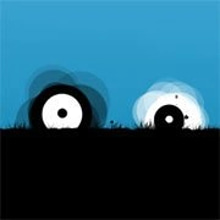
The Black and White on Kiz10 throws you into a weird little cosmic accident with a simple message: you don’t get to go home by being brave, you get to go home by being precise. Two characters, one dark and one light, get swallowed up by a black hole like it’s just a normal Tuesday, and they tumble onto a planet stitched together with portals, floating platforms, and that suspicious “this looks safe but it isn’t” energy. The mood is minimal, but the tension isn’t. Every level feels like a small riddle disguised as a jump. Every jump feels like a decision you’ll either celebrate or regret in slow motion.
It’s the kind of puzzle platformer where the environment is the real enemy, not because it’s unfair, but because it’s clever. Doors don’t open just because you arrived. Switches don’t stay pressed out of kindness. Platforms wait until you commit, then demand timing. And portals, those shiny promises of escape, are never just exits. They’re the start of another problem, another angle to read, another moment where you go, “Okay… so where does THIS one spit me out?” 😅🌀
𝐓𝐡𝐞 𝐁𝐞𝐚𝐮𝐭𝐲 𝐎𝐟 𝐒𝐰𝐚𝐩𝐩𝐢𝐧𝐠 𝐁𝐞𝐭𝐰𝐞𝐞𝐧 𝐎𝐩𝐩𝐨𝐬𝐢𝐭𝐞𝐬 🔄⚫⚪
A lot of games talk about teamwork. The Black and White forces it. These two little travelers are opposites, and the level design treats that as the entire point. Sometimes one is positioned to hit a switch while the other is stuck behind a barrier. Sometimes one needs to move first to make the next move possible. You’ll quickly realize the game is less about raw platforming skill and more about sequencing. Do the safe thing first, then the risky thing. Park one character somewhere harmless, then scout with the other. Move like you’re planning a tiny heist, not sprinting like you’re late for school.
That swap-and-solve rhythm is addictive because it makes you feel smart when it works. Not “I memorized a pattern” smart, more like “I read the room and executed” smart. And when you mess up, the mistake is usually obvious in a slightly humiliating way. You didn’t think about the order. You rushed. You assumed the platform would wait. It did not wait. 😭
There’s a strange joy in this kind of design because the game doesn’t need to scream to create pressure. The pressure comes from you knowing that one sloppy jump can ruin the alignment you carefully set up. You’ll line both characters up near a portal, feel proud of your plan, then accidentally bump one into danger because your hands got impatient for half a second. That half second becomes a full reset. That’s the deal. That’s also why it’s so replayable.
𝐏𝐨𝐫𝐭𝐚𝐥𝐬 𝐀𝐫𝐞 𝐖𝐨𝐧𝐝𝐞𝐫𝐟𝐮𝐥… 𝐔𝐧𝐭𝐢𝐥 𝐘𝐨𝐮 𝐑𝐞𝐚𝐥𝐢𝐳𝐞 𝐓𝐡𝐞𝐲’𝐫𝐞 𝐀𝐫𝐠𝐮𝐢𝐧𝐠 𝐖𝐢𝐭𝐡 𝐘𝐨𝐮 🌀🧩
Portals in this game aren’t just flashy doorways, they’re logic tools. They warp your sense of space. They let the level fold back on itself. They turn “I can’t reach that ledge” into “I can reach that ledge if I enter the right portal with the right character at the right time.” And that last part is where the game gets spicy. Because timing matters. Position matters. Sometimes you’ll have to send one character through first, not because they’re special, but because they need to land somewhere to hold something open.
You’ll also have those classic portal moments where you step through expecting progress and get dropped somewhere that makes you laugh out loud, like the game just moved your furniture while you weren’t looking. It’s not mean, it’s playful. But it is demanding. It wants you to experiment. It wants you to test. It wants you to stop assuming the “correct” path is obvious.
And once you start thinking in portal logic, something clicks. You stop seeing a level as a flat obstacle course and start seeing it as a loop. A system. A little machine made of switches and exits. That’s when The Black and White stops feeling like “a hard level” and starts feeling like “a solvable puzzle.” Same difficulty, different mindset. Huge difference. 😌
𝐓𝐫𝐚𝐩𝐬, 𝐓𝐢𝐦𝐢𝐧𝐠, 𝐚𝐧𝐝 𝐓𝐡𝐞 𝐒𝐮𝐛𝐭𝐥𝐞 𝐀𝐫𝐭 𝐎𝐟 𝐖𝐚𝐢𝐭𝐢𝐧𝐠 ⏱️😈
The platforming in The Black and White is built around one thing many players secretly hate: waiting. Not boring waiting, more like “hold your nerve” waiting. That moment where a moving hazard passes, the safe gap opens, and you have to jump now, not earlier, not later. You’ll fail a few times because you jumped with confidence instead of timing. Confidence is cute. Timing wins.
And because there are two characters, timing becomes a duet. One might need to stand on a switch while the other runs through. One might need to move only after the other reaches a safe spot. You’ll find yourself doing tiny rehearsals in your head. If I move White here, Black can cross there. If Black presses this, White can reach that. Then you do it, and it works, and you get that tiny brain sparkle like you just solved a puzzle without looking anything up. ✨🧠
The traps also teach you a useful habit: don’t panic-correct. Panic-corrections are where most platformers quietly ruin you. You jump, land slightly off, and instead of stabilizing, you jerk back and fall into whatever was waiting below. In this game, that habit is expensive. The levels are built to punish sloppy movement because sloppy movement breaks the plan. So you learn to breathe, adjust, and move again.
𝐖𝐡𝐞𝐧 𝐈𝐭 𝐆𝐞𝐭𝐬 𝐌𝐞𝐬𝐬𝐲, 𝐓𝐡𝐚𝐭’𝐬 𝐖𝐡𝐞𝐧 𝐈𝐭 𝐆𝐞𝐭𝐬 𝐆𝐨𝐨𝐝 😅🔥
The best part of The Black and White is the emotional rhythm. It’s calm, then it’s tense, then it’s hilarious, then it’s calm again. You’ll have levels where everything feels clean and you’re just gliding through solutions. Then you’ll hit a section where both characters must move in quick sequence, and suddenly your fingers feel clumsy, like they borrowed someone else’s hands for a second. That’s when the game becomes memorable, because it turns the simplest visuals into real drama.
You’ll also start creating your own little rules. Always park one character somewhere safe first. Always look for the switch before you touch the portal. Always test the portal if you’re unsure. Those habits make you better fast, and it feels earned, not gifted. That’s why it works so well as an online puzzle platform game on Kiz10. You can jump in for a few minutes, learn one new trick, beat a couple levels, and leave feeling like you actually improved. Or you can stay and chase that clean streak where you stop making the same mistake twice. (You will still make it twice sometimes. The planet enjoys your suffering. 😭🌍)
𝐓𝐡𝐞 𝐄𝐬𝐜𝐚𝐩𝐞 𝐅𝐞𝐞𝐥𝐬 𝐋𝐢𝐤𝐞 𝐀 𝐒𝐦𝐚𝐥𝐥 𝐕𝐢𝐜𝐭𝐨𝐫𝐲 𝐌𝐨𝐯𝐢𝐞 🎬🏁
Every time you guide both characters into the correct portal, it feels like a mini ending. Not a huge celebration, just a clean payoff. You solved the room, survived the traps, and made two opposites move like a team. It’s satisfying in a quiet way, like finishing a tricky puzzle and snapping the last piece into place. Then the next level loads and you realize the planet has more ideas. Great. Fantastic. Here we go again. 😅
If you like puzzle platformers where the challenge is fair, the solutions are discoverable, and the gameplay rewards patience more than button-mashing, The Black and White is a perfect fit. It’s small, sharp, and surprisingly sticky. You’ll come for the portals, stay for the “I can definitely do this cleaner” obsession, and keep clicking restarts because you know the answer… you just want to execute it like a pro this time. ⚫⚪🌀





 Share
Share
 Embed
Embed