𝗧𝗛𝗘 𝗧𝗥𝗔𝗜𝗡 𝗟𝗢𝗢𝗞𝗦 𝗡𝗢𝗥𝗠𝗔𝗟. 𝗧𝗛𝗔𝗧 𝗜𝗦 𝗧𝗛𝗘 𝗙𝗜𝗥𝗦𝗧 𝗟𝗜𝗘 🚆👁️
Train Anomaly starts with one of the oldest tricks in horror, and it still works beautifully: everything looks fine until your brain whispers that something is not where it should be. A shadow feels wrong. An object looks slightly different. A detail that seemed harmless a minute ago now feels like a threat wearing a normal face. That is the whole game, really, and that is exactly why it gets under your skin so fast.
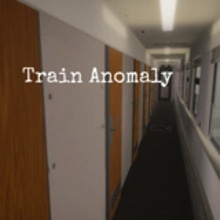
This is a horror puzzle game built around observation, memory, and the slow, unpleasant feeling that the environment is changing behind your back. You are trapped in a train, moving wagon by wagon, trying to decide whether what you see is normal or not. If you spot an anomaly, you go through one red door. If everything looks safe, you choose the other. That sounds simple. It is not. Or rather, it is simple in the cruel way that makes every wrong choice feel personal.
The setting does a lot of heavy lifting. A train already has that strange in-between quality. It is enclosed, repetitive, narrow, and impossible to leave whenever you want. Add more than twenty anomalies hidden inside a series of wagons, and the place stops feeling like transport and starts feeling like a test of your nerves. The more you look, the less you trust what you are seeing. The less you trust what you are seeing, the better the game gets.
𝗠𝗘𝗠𝗢𝗥𝗬 𝗜𝗦 𝗬𝗢𝗨𝗥 𝗪𝗘𝗔𝗣𝗢𝗡. 𝗜𝗧 𝗜𝗦 𝗔𝗟𝗦𝗢 𝗬𝗢𝗨𝗥 𝗣𝗥𝗢𝗕𝗟𝗘𝗠 🧠
What makes Train Anomaly work so well is that it does not ask for flashy action. It asks for attention. Real attention. The kind that makes you look at a room once, move forward, then suddenly question whether the lamp was always like that or whether your brain is now inventing nonsense because it is tired. That is where the tension lives.
A lot of horror games rely on chase scenes or loud jump scares. This one builds fear from doubt. It turns ordinary train wagons into memory traps. You start noticing shapes, corners, patterns, objects, shadows, tiny arrangements of things that should stay the same. Then something changes. Maybe just a little. Maybe enough to ruin your whole run if you miss it. The moment you realize you are actively studying the room like your life depends on it, the game has already won.
And memory in this kind of game is slippery. That is the fun part. You are not memorizing giant maps or complicated lore. You are remembering normality. That sounds easier than it is. Human brains are strangely bad at calm details until those details become dangerous. A chair moved slightly. A wall looks darker. Something extra appeared. Something familiar vanished. Train Anomaly turns those small changes into the entire point, which makes every wagon feel far more threatening than it should.
𝗧𝗛𝗘 𝗧𝗥𝗔𝗜𝗡 𝗜𝗦 𝗥𝗘𝗣𝗘𝗧𝗜𝗧𝗜𝗩𝗘, 𝗔𝗡𝗗 𝗧𝗛𝗔𝗧 𝗜𝗦 𝗪𝗛𝗬 𝗜𝗧 𝗪𝗢𝗥𝗞𝗦 🛤️
The structure of a train is perfect for this kind of horror puzzle. Similar spaces. Similar doors. Similar objects. A little too much sameness. At first, that repetition feels comforting. You think you understand the environment. You think you know what “normal” looks like. Then the game starts using that familiarity against you.
Because the wagons feel connected and visually consistent, even a small anomaly suddenly becomes loud. A tiny distortion stands out more. A misplaced object feels more hostile. A strange shadow becomes the sort of thing you stare at for too long while your brain tries to decide whether it was always there. That is brilliant design, honestly. The train does not need to transform into a screaming nightmare every five seconds. It just needs to stay stable long enough for every little wrong thing to hit harder.
There is also something unsettling about the directionality of the choice. Front door if all is normal. Back door if something is wrong. That mechanic keeps the tension clean. You are not only spotting weirdness for points. You are making a judgment call every single time. That makes the game feel active instead of passive. Observation becomes action. Recognition becomes survival.
𝗔 𝗦𝗜𝗠𝗣𝗟𝗘 𝗖𝗛𝗢𝗜𝗖𝗘 𝗖𝗔𝗡 𝗙𝗘𝗘𝗟 𝗟𝗜𝗞𝗘 𝗔 𝗧𝗘𝗦𝗧 𝗢𝗙 𝗖𝗛𝗔𝗥𝗔𝗖𝗧𝗘𝗥 🚪
One of the best things about Train Anomaly is how much pressure it squeezes out of a very small mechanic. Two red doors. That is it. One for normal, one for danger. But because the whole game is built on uncertainty, those doors start feeling heavy. Choosing one is not just a button press. It is a tiny confession. You are telling the game what you believe, and the game is absolutely willing to punish you for believing the wrong thing.
That is why every correct read feels satisfying. You notice the irregularity, trust your instincts, and move on with that little pulse of relief that horror puzzle games do so well. But the wrong calls are where the real emotional texture comes from. Did you miss something obvious? Did you overthink a harmless room? Did the game fool you, or did your own memory betray you? Usually it is a little of both.
That emotional swing keeps the pace alive. Even though the controls are straightforward and the environment is relatively contained, the experience never feels static. Your mind is constantly working. Every wagon becomes a quiet argument between evidence and panic. Sometimes panic wins. Sometimes evidence wins. The train keeps moving either way.
𝗧𝗛𝗜𝗦 𝗜𝗦 𝗛𝗢𝗥𝗥𝗢𝗥 𝗪𝗜𝗧𝗛𝗢𝗨𝗧 𝗡𝗘𝗘𝗗𝗜𝗡𝗚 𝗧𝗢 𝗦𝗛𝗢𝗨𝗧 👀🌑
Train Anomaly understands a very useful thing about fear: silence can do a lot. A creepy environment, small visual changes, and the repeated act of checking whether reality is behaving itself can be more effective than constant chaos. The game creates tension by making you stare. That is such a good move. The longer you look at an ordinary place waiting for it to betray you, the more that place starts to feel alive in the wrong way.
The anomalies themselves are also stronger because they are scattered rather than dumped on you all at once. More than twenty irregularities means there is enough variety to keep you second-guessing without turning the game into random nonsense. That balance matters. A good anomaly game needs patterns, but it also needs surprise. Too predictable and it gets flat. Too random and it gets silly. This kind of setup works best when the player feels smart and nervous at the same time.
And that is exactly the mood here. You are not helpless, but you are never comfortable. You are not being chased constantly, but you are still under pressure. The horror comes from the possibility that the next wagon might be wrong in a way you fail to catch. That possibility is enough.
𝗪𝗛𝗬 𝗧𝗥𝗔𝗜𝗡 𝗔𝗡𝗢𝗠𝗔𝗟𝗬 𝗙𝗘𝗘𝗟𝗦 𝗦𝗢 𝗚𝗢𝗢𝗗 𝗢𝗡 𝗞𝗜𝗭𝟭𝟬 🚉
On kiz10.com, Train Anomaly is a strong pick for players who enjoy horror puzzle games, anomaly-spotting games, memory challenges, escape-style mysteries, and browser experiences built on atmosphere instead of noise. It does not need giant systems or endless tutorials. It just needs a contained setting, a few unsettling rules, and the confidence to make you do the hard part yourself: pay attention.
What makes it memorable is how quickly it changes the way you look at ordinary things. A train wagon is just a train wagon until the game teaches you to inspect every corner like it might be lying. After that, even small details feel charged. That is a clever kind of horror. Quiet, focused, and sticky in the brain.
Play Train Anomaly on Kiz10 if you want a horror game where memory matters, tiny changes feel dangerous, and every door choice carries just enough doubt to make your next step feel heavier than it should. Watch closely, trust yourself carefully, and do not assume the train wants you to understand it.

















 2.5 (165 votes)
 Share
Share
 Embed
Embed