🔥🏝️ The island doesn’t care if you’re “good at games”
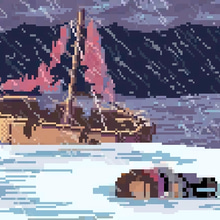
Home is Where the Hearth Is throws you into a kind of quiet disaster that feels personal fast. No heroic intro, no polite tutorial, just you and a cold island that already decided it doesn’t like you. The ship is wrecked, the wind is sharp, and your first instinct is the correct one: find warmth, now. This is a survival game built around a simple truth that turns into obsession—heat is life. The hearth isn’t a decorative object, it’s your timer, your safety net, your fragile little sun. On Kiz10, it plays like a tense loop of scavenging, repairing, and constantly doing that nervous glance back toward your shelter like, “Is the fire okay? Please tell me the fire is okay.” 😅
🪵❄️ Warmth is your real inventory
You can gather a bunch of stuff and still be losing. Because the most important resource isn’t wood or metal or some shiny crafting ingredient… it’s time near heat. Every trip away from the hearth costs you. Not with dramatic flashing warnings, but with that slow creeping pressure that makes your brain start calculating routes like you’re planning a heist. Go farther and get better materials? Or stay close and build steadily? The island punishes greed in the most annoying way: not instantly, but just enough later that you know it was your fault. You’ll end up doing little survival rituals without realizing—top off the fire before leaving, grab an extra piece of fuel “just in case,” double-check what you need for repairs because wasting a trip feels like heartbreak. 🥶
🧰🛠️ Repair work that somehow feels emotional
There’s something satisfying about fixing things here. It’s not a game where you instantly craft a mansion because you punched three trees. Repairs come in steps, and each step feels earned. The ship isn’t a magic exit button—it's a long-term promise you keep making to yourself: “I’m getting out of here.” You patch up what you can, reinforce weak spots, improve your setup, and suddenly you’re attached to this scrappy shelter you didn’t even want at first. The hearth becomes a companion in a weird way. You come back with materials and the fire crackles like it’s saying, “Nice. Again tomorrow?” Then the weather shifts and you remember the island is still the boss. 🙃🔥
🌨️⏳ Daylight is friendly. Night is a trap.
Time matters, but in a sneaky, survival way. It’s not a loud countdown; it’s more like the sun quietly sliding away while you’re still out there grabbing one last thing because you got ambitious. And then you feel it—panic, but the controlled kind, the “don’t mess up the path back” kind. The game gets dramatic without needing cutscenes. You’ll have moments where you’re sprinting home with a tiny pile of fuel, watching the hearth level drop, and suddenly it’s not just a resource bar… it’s a beating heart you’re trying to keep alive. 🎬🫀
🧭🌲 Exploration that makes distance feel expensive
The island doesn’t need to be huge to feel threatening. It’s designed so that distance costs heat, and heat costs mistakes, and mistakes cost runs you didn’t plan for. You start learning the map like a delivery driver in a blizzard. You memorize where useful materials are. You notice which routes are “safe” and which ones are time traps. A spot that looks close can be a lie when the terrain slows you down or you get turned around. And the moment you realize you’re a bit too far from the hearth? You start moving differently. Less sightseeing, more survival math. 🧠🌬️
🧊🫣 The best enemy is the one that doesn’t roar
No monster needs to scream at you when the cold is doing the job perfectly. That’s the charm of this survival adventure: the threat is constant, believable, and annoyingly fair. If you fail, you can usually trace it back to a choice you made. Took too long. Carried too much. Went too far. Forgot fuel. The island doesn’t cheat… it just waits for you to do something dumb. And you will. Everyone does. The game practically invites the classic line: “I can make it, it’s fine.” It is not fine. 😄
🎮💥 The gameplay loop that hooks you
On Kiz10, this kind of game hits the sweet spot: quick to start, easy to understand, but it grows teeth once you’re invested. You’re always juggling survival priorities—fuel, repairs, tools, scavenging routes, and the nagging feeling that you’re one small error away from watching everything go cold. The pacing is what makes it work. Calm moments where you feel in control… then a sudden realization you misjudged time… then frantic movement… then relief when you see your shelter again. It’s a rhythm that feels human. A little chaotic. A little cinematic. And it turns tiny victories into stories you remember. Like the first time you barely make it back and the hearth is almost dead, and you’re hammering that fuel in like you’re restarting the universe. 😅🔥
🧯🧊 Tiny strategy that keeps you alive longer
If you treat the hearth like the main quest and everything else like side content, you’ll survive longer. Always think in loops: leave, collect, return, feed the fire, then expand your range. Don’t do the “one more thing” trap unless you’re ready to pay. And when you mess up—and you will—don’t panic-run in random directions. Pick the shortest route back to warmth, even if it means leaving something behind. Pride doesn’t burn. Wood does. 🌲😬
🏠🔥 Why the titles actually lands
Home is Where the Hearth Is isn’t just a cute line. The whole game is about building comfort in a place that refuses to offer any. “Home” becomes a routine: the sound of the fire, the safety of your shelter, the relief of returning with supplies, the stubborn progress of repairs. You’re not just surviving; you’re creating a tiny piece of warmth that feels like it shouldn’t exist. And that’s what makes it weirdly addictive—because every time you keep that hearth alive, you win a small argument against the island. 🏝️✨




















 Share
Share
 Embed
Embed